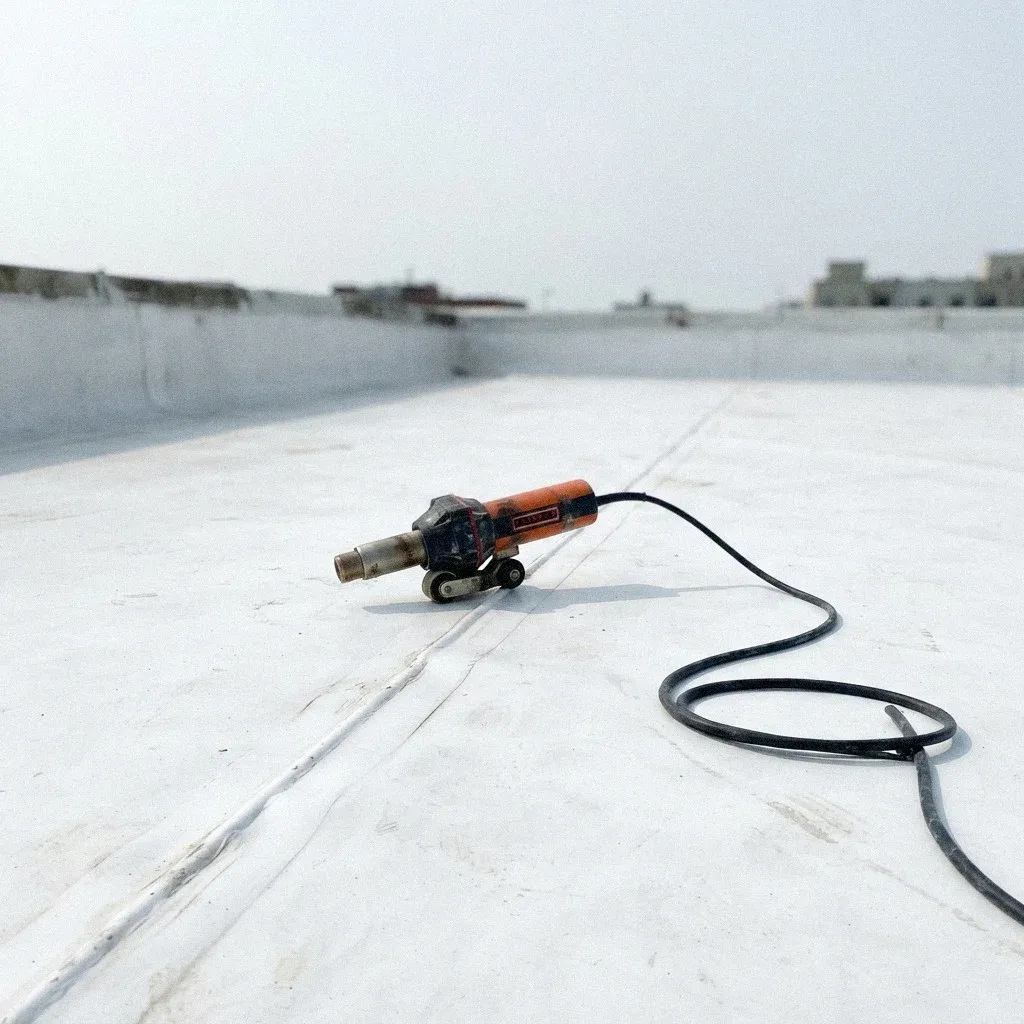
Flat & Low-Slope Roofing
Membrane roofing built to drain, not to pond.
Learn about Flat & Low-Slope RoofingConverted warehouse lofts and new apartment towers share a loop, not a roof type.
Downtown Omaha sits inside the Interstate 480 loop, where the Missouri River frontage meets the Old Market and the office core. There's no subdivision plat here in the usual sense — this is converted warehouse lofts and newer apartment build stacked over old commercial frontage, arterial streets on a tight grid.
Hail impact, freeze-thaw cycling, and heavy downpours wear a roof through separate mechanisms, so one repair rarely addresses what the others caused.
Roof shape decides more than square footage does. A simple gable has one ridge and two planes to check; a home with dormers and multiple valleys gives wind and water more seams to find, and more places a crew has to get flashing right.
Roof leaks rarely start where the shingles are. They start where two materials meet — a vent pipe, a valley, a wall junction — and the failure often shows up on a ceiling far from that spot, which is why a plain inspection matters before anyone opens a claim.
Roofs here split between low-slope membrane on newer apartment towers and older flat or low-pitch coverings on converted brick warehouses in the Old Market. The August 2021 flash flood showed how fast water moves through this drainage corridor, so clogged scuppers and undersized drains matter more than shingle wear. Ice dams form when heat escaping through poor attic insulation melts snow that then refreezes at the eaves, and that backup can push water under shingles rather than off them. It's an insulation problem showing up as a roof problem.
The presence of Old Market shapes the local workload. Rooftop units, their curbs and the drains around them are the usual pressure points, and a scheduled inspection beats waiting for a ceiling tile to go.
Ranges rather than a single number, because the honest figure depends on what the inspection finds. There is no charge for that inspection.
| Service | Estimated cost |
|---|---|
| Flat & Low-Slope Roofing | an estimated $9000–$26000 |
| Emergency Roof Tarping | an estimated $350–$1400 |
| Roof Leak Repair | an estimated $450–$2400 |
The Old Market anchors Downtown's oldest commercial frontage, and the brick warehouses converted to lofts above it carry flat or low-slope roofs that read nothing like the pitched shingle stock a few miles west.
Eppley Airfield sits just across the river corridor from Downtown, and the drive time between the two is short enough that flight-path noise and open sightlines shape how close-in apartment development has pushed toward the loop.
Interstate 480 traces the loop that boxes in Downtown, and the arterial ramps feeding it cut Downtown off from the residential cul-de-sac streets and platted subdivisions that start once you cross outside the loop.
Membrane roofing built to drain, not to pond.
Learn about Flat & Low-Slope Roofing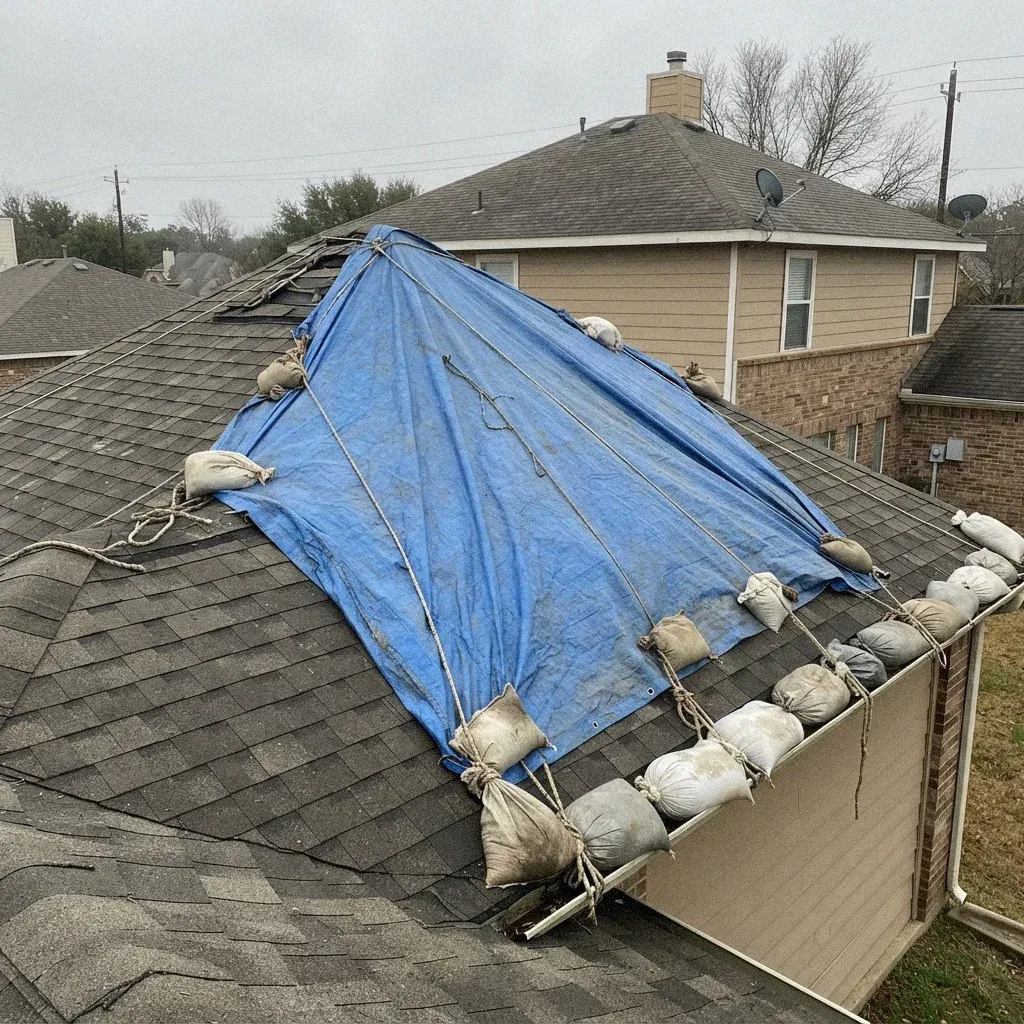
Same-day covering when the roof is open and the weather is not waiting.
Learn about Emergency Roof Tarping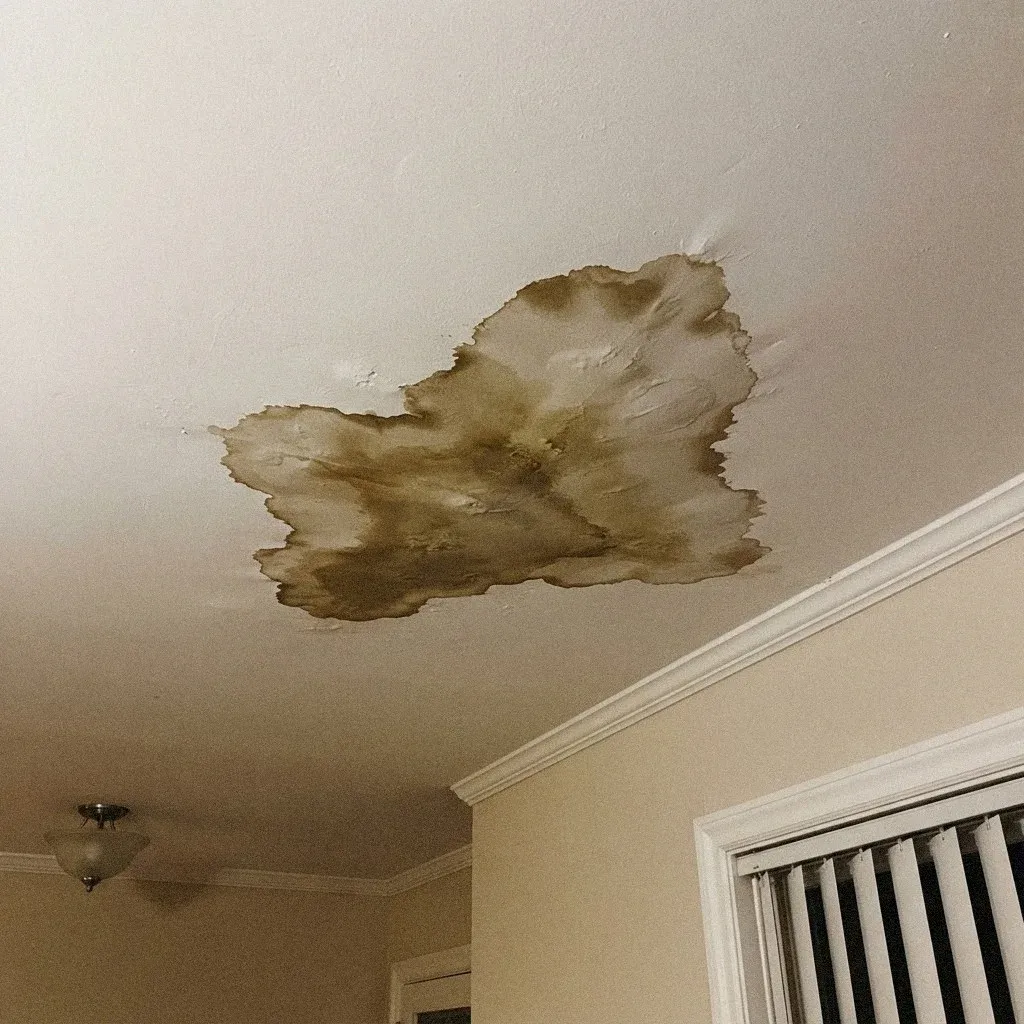

A written, photographed record of your roof's actual condition.
Learn about Roof InspectionMostly. The Old Market's converted warehouses and the newer apartment towers along the riverfront both run low-slope or flat coverings rather than the pitched shingle roofs common in Omaha's older residential neighborhoods outside the loop. That changes what fails first — membrane seams and drain lines, not shingle tabs or ridge caps.
Converted brick warehouses were never built with today's roof loads or drainage in mind. Flat roof sections pond water after heavy rain, and the August 2021 flash flood showed how quickly water backs up downtown when scuppers or interior drains clog. Age of the roof membrane matters more here than storm damage.
Roof work inside Omaha city limits goes through the City of Omaha Planning Department's permitting process, the same as anywhere else in the city. What's different downtown is the building type — commercial and mixed-use permitting on a converted warehouse or apartment tower follows separate review than a single-family reroof would.
Downtown Omaha sits inside Omaha city limits and Douglas County, within the Omaha Public Schools district boundary. That matters less for a resident here than it does elsewhere, since most Downtown housing is rented lofts and apartment units rather than owner-occupied single-family homes on a platted lot.
The same licensed pros who cover the rest of Omaha, though downtown work is a different job from a suburban roof. Most of the Old Market frontage is low-slope membrane over brick warehouse buildings rather than shingle, access is from an alley or a shared roof, and many of the buildings are multi-tenant, so getting onto the roof usually needs arranging with a manager first.
Usually the same day, yes. Urgent jobs jump the queue here: water coming through a ceiling, a slope torn open by wind, or a limb down on the roof. Those are taken around the clock. Anything that can safely wait is booked at the standard rate instead.
Every part of Omaha answers to the same hail season and the same winter freeze-thaw, but not in the same way. An older home near Hanscom Park with decades of roofing history wears differently than a newer build out toward Elkhorn on its original shingles. Proximity to Papillion Creek or the Missouri River floodplain changes the drainage story too. The licensed pros we connect you with know how these local differences show up on an actual roof, not just a map.
Call (833) 566-1459