The Spring Pattern Behind Most Calls
Omaha nights routinely drop into the teens through the coldest stretch of winter, and that gap between a warm attic floor and a cold roof deck is exactly what turns ordinary household humidity into frost on the underside of the sheathing.
Omaha basements sit warm below grade, and heated air rises into attics through gaps around light fixtures and attic hatches. With soffit and ridge vents blocked or undersized, that moist air meets cold sheathing instead of escaping, and frost builds through the freeze-thaw months.
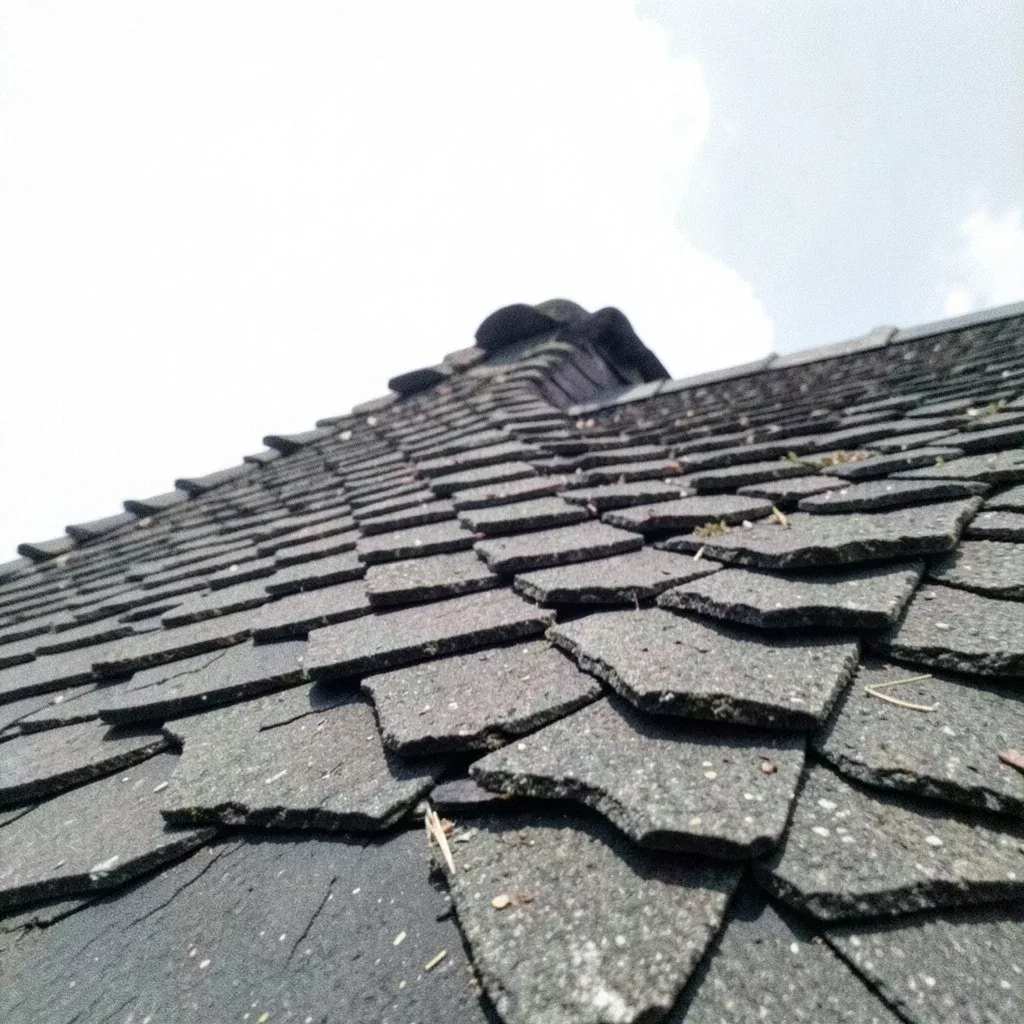
Steep-slope roofs and low-slope roofs fail differently and get repaired differently. A homeowner comparing two quotes should check that both bids are actually pricing the same roof type, not applying a steep-slope fix to a flat section or the reverse.
Insurance Claims Made Simple
- Location
- Across the underside of roof sheathing near the ridge, most visible on the north-facing slope where attic air runs coldest.
- Appearance
- White frost or ice crystals on nail points and plywood grain, visible with a flashlight on a cold attic morning.
- Cause
- Warm, humid household air escaping into an attic with blocked soffit intake or insufficient ridge exhaust.
- Progression
- Wet insulation, mold growth on framing, and softened or delaminated decking if the moisture cycle repeats each winter.
- If Ignored
- Ignored, moisture soaks insulation, cuts its R-value, and can rot decking and rafters near the ridge before any ceiling stain appears in Omaha.
- Time of year
- Check the attic in the coldest stretch of winter, December through February, when frost is easiest to see on a cold morning before it melts. A fix made before then works dry; one made after a thaw means drying out soaked decking first.
- Estimated cost
- an estimated $450–$2600
Questions Worth Asking Before Any Repair
Homeowners confuse this with an active roof leak, since both leave dark ceiling staining near Dundee or Benson attics. Timing separates them: a leak tracks to one penetration and appears with rain, while frost buildup forms broadly across cold nail heads and sheathing after a hard freeze, then drips only once temperatures climb back above freezing. Check the timing and the pattern first. A leak shows up during or right after rain and stays local to a flashing point, valley, or vent. Frost-driven damp appears after a cold stretch, spreads across a wide section of decking, and often peaks near the ridge.
How to Read and Compare Two Estimates
A proper fix clears soffit intake vents, adds baffles to keep insulation from blocking that airflow path, and confirms exhaust vents at the ridge or roof are sized to match, so outside air actually moves across the underside of the deck.
Running a space heater or dehumidifier in the attic only masks the moisture for as long as it runs. It does nothing about the airflow gap that let warm, damp air reach the cold deck in the first place, and frost returns the next cold night.
Roof damage in this climate builds quietly between seasons. Freeze-thaw cycling works at shingle edges and flashing seams until a small gap becomes a leak path, often showing up long after the weather event that caused it. Spring hail adds sudden, visible damage on top of that slow wear, which is why timing and cause both matter once you're filing a claim.
MATERIAL LIFESPAN COMPARED ACROSS COMMON ROOFING CHOICES
| What It Means |
Years Before Replacement |
|---|
| Two homes built the same year can age at different speeds once wind and hail get involved. One side of a roof takes the brunt of spring storms while the other stays sheltered, so wear rarely spreads evenly. Judging a whole roof by one section, or one photo, misses what a full walk-through would catch. | A reroof estimate that only lists shingles and labor is missing the part that actually floods a basement: tear-off disposal, new flashing, and drip edge. Ask what's excluded before signing, because the addition after demo starts is where a fair bid turns into an argument. |
| Freeze-thaw cycling does more damage in Omaha than most homeowners realize. Shingles that flex through repeated hard freezes and spring thaws lose granules and seal strength years before their rated lifespan, and the wear rarely shows up until a leak forces the issue. | Gutters get judged on the wrong storms. It's not the steady rain that overflows them, it's the short, intense downpour that dumps most of its water in a few minutes. A gutter sized for average weather can still send water straight at a foundation during the one storm that matters. |
| A roofing bid should spell out what happens to the old material, who pulls the permit, and whether flashing and ventilation are part of the price or an add-on later. Two bids that look close on the bottom line can cover very different amounts of actual work once you read past the total. | Shingles don't fail on a mild day. Sharp temperature swings make roofing materials contract and stretch, and flashing loosens a little each time. Granules wear thin, seals crack, and a roof that looked fine in fall can leak by spring. Regular checks catch that wear before it turns into a ceiling stain. |
Reading An Insurance Adjuster's Report Yourself
From the ground, watch for icicles forming unevenly along the eave after a cold snap, a sign warm air is escaping upward. The attic check belongs to a professional: frost on nail tips or sheathing needs a flashlight inspection the licensed pros we connect you with can safely perform.
Why a Fast Look Beats a Slow One
Damp sheathing that stays wet through repeated freeze-thaw cycles gives mold a surface to grow on, and prolonged dampness in insulation reduces its effectiveness, letting more heat escape upward and feeding the same cycle that caused the frost in the first place.
Not Sure If Your Claim Holds Up?
Expect an estimated $450 to $2600 for attic frost and damp sheathing here, with the pitch, the access and how much decking is sound doing most of the moving. Omaha's freeze-thaw cycling, not insect activity, drives most hidden roof damage found around Dundee and Benson. The eastern subterranean termite is the local species, entering through soil contact, but it rarely factors into a reroof estimate here. The licensed pros we connect you with usually flag ice-dam and flashing wear before pest damage. pricing guide, and the service that handles this is Roof Ventilation & Attic Airflow.