Why Omaha's North Roof Slope Wears Out First
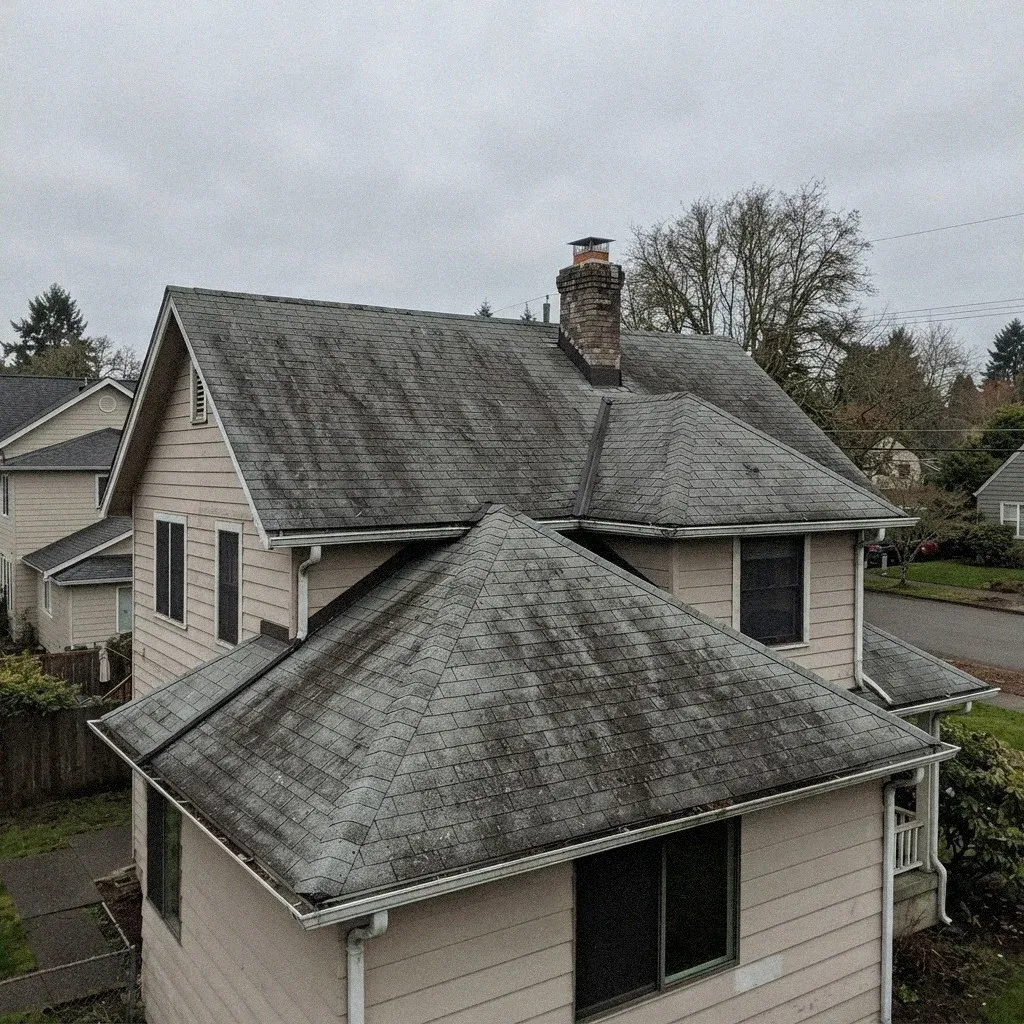
The slope that gets least sun stays damp longest, holds snow and ice further into a thaw, and grows the streaking you notice from the street. On most houses it is the first side to need work.
Read article
Steam-based ice and snow removal for Omaha roofs and eaves. Safe for shingles, priced hourly.
Ice and snow removal Omaha, NE homeowners can trust starts with steam, not hammers or chisels, so your shingles stay intact.
We connect you with local licensed pros who clear ice dams and heavy snow, priced by the hour. Don't wait for the next storm: call (833) 566-1459 now.
Ice dam removal means melting the ice at the eave with steam so trapped water can drain off the roof. The licensed pros we connect you with never chip or hammer, because that strips granules from the shingles.
Eaves and valleys come first, where meltwater backs up hardest. If water is pooling behind the dam, they cut a relief channel so it stops working under the shingles while the rest of the ice clears.
Roof snow removal is a ground-based job where the eave allows: the pro pulls snow off with a roof rake so no one steps onto the roof.
It matters most on garage roofs and porch additions, where drifted snow piles up unevenly. If one sags or creaks under the load, call right away.
A fresh, dry load with no sagging or leaks can usually wait a day or two. Water coming through a ceiling or wall cannot.

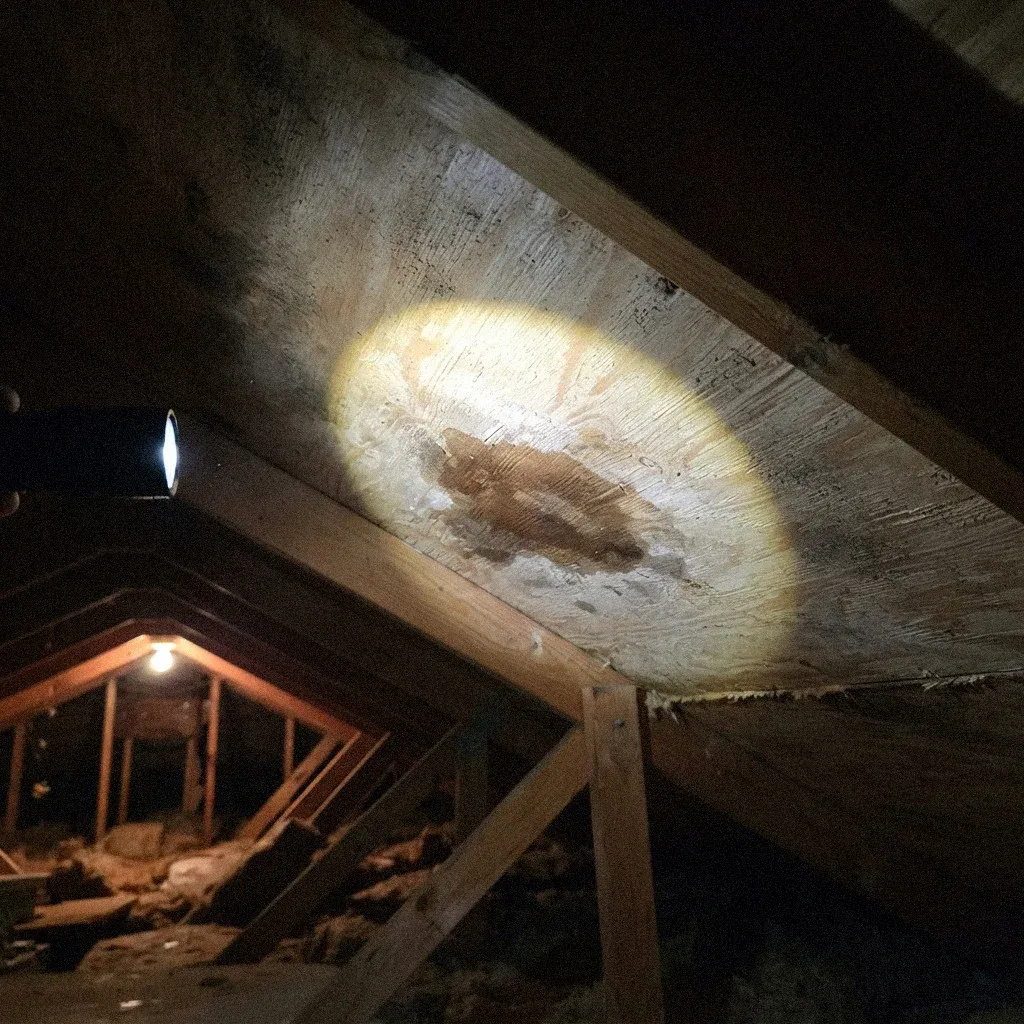
Staining that spreads across a ceiling, or drips near an exterior wall, means melt is already getting in. Don't wait for the next storm.
Ice bonded to the shingles or packed into the gutter is a dam. Water backs up behind it and works under the roof.
Ice building in the same place every winter is a pattern, not bad luck. Heat escaping through the attic melts snow that refreezes at the cold eave.
A garage roof or porch addition that sags or creaks under snow needs attention fast. Call now.
Steam melts a channel through the ice without stripping shingle granules. Eaves and valleys come first.
Where the eave allows, snow is pulled off with a roof rake from the ground. That cuts the load without anyone stepping onto the roof.
Ice bonded to shingles or packed in the gutter is melted, not chipped. Shingles and gutter attachment stay undamaged.
If water pools behind the dam, a channel gives it a path off the roof. That stops water backing up under the shingles while the rest of the ice clears.
Older Omaha homes near Dundee, Benson, and Florence have attic bypasses and low-pitched garage additions that hold snow instead of shedding it. When drifted snow refreezes at the eave, meltwater finds every gap, so removal must not damage shingles that are already decades old.
Pre-1960 homes in Dundee, Benson, and Florence often have a flat-roofed porch or attached garage added to a steeper main roof. Snow drifts off the main slope and piles unevenly on these additions, where the structure is weakest.
Omaha's winters swing between thaw and refreeze, often within the same week. That cycle turns a manageable snow load into an ice dam at the gutter line, even in February after a roof handled December's snow fine.
These are the figures quoted most often for ice and snow removal from roofs. The size of the roof, its pitch, and how easy it is to get a ladder to move the number.
| State License | Proof Of Coverage | Payment Terms |
|---|---|---|
| Lien releases protect a homeowner even after the main contractor has been paid in full. If a supplier or subcontractor further down the chain never got paid, a lien can still attach to the property months after the roof looks finished and paid for. | Roof walked in person, flashing and vents checked by hand | an estimated $175–$1140 |
| Lien releases matter on any job with more than one crew involved. Get written proof from every supplier and subcontractor, not just the company signing your contract, before final payment leaves your hands. On larger insurance-funded jobs, unpaid subs can file a claim against the property even after you've paid in full. | Tear-off with impact-resistant shingle option, gutters checked, not replaced | an estimated $250–$1560 |
| A quote presented as final sometimes still has sales tax added on top of the full amount, labor included, not only materials. That distinction changes the real total, so it is worth confirming in writing before comparing one bid against another. | Tear-off across a larger roof, decking swapped by the section | an estimated $325–$2160 |
| A permit record, when the work requires one, outlives the roof itself. A reroof completed and closed out properly through the City of Omaha Planning Department leaves a paper trail that matters later, whether for an insurance claim or a home sale. | Strips roof to deck, replaces flashing and valleys, files City of Omaha permit | an estimated $450–$3120 |
Warranty language varies by what it actually covers: labor, materials, or both, and for how long. A verbal promise of a warranty is worth asking to see in writing before any work begins.
Steam melts ice without touching the shingle surface, while chipping pulls granules off with it. That thins the shingle and can void the manufacturer's workmanship warranty. Steam takes longer, but it doesn't leave the roof worse off.
This work is priced by the hour, since every roof and every ice buildup is different. A single-story garage with reachable eaves costs less than a two-story elevation that needs ladders and more steam time. The pro we connect you with can give you a range once they see the roof.
Not if water is coming through a ceiling or wall. A thick, undisturbed snow load on a garage or low-slope addition with no sagging or leaking can usually wait a day or two. The difference is whether water is already moving into the house.
Heat leaking into the attic is melting snow from below, and the meltwater refreezes at the cold eave. The dam builds higher each winter. Removal clears the problem now, but the attic is what keeps causing it.
Yes, generally. A two-story north-facing elevation gets less direct sun, holds ice longer, and takes more ladder work and steam to clear safely. A single-story garage roof with reachable eaves is faster and typically costs less.
Expect an estimated $250–$1200 per job for ice and snow removal from roofs around Omaha. Where you land inside that comes down to the number of squares, the pitch, and how easy it is to get a ladder and a dumpster to the house. The inspection is free, so you get a real figure rather than a guess.
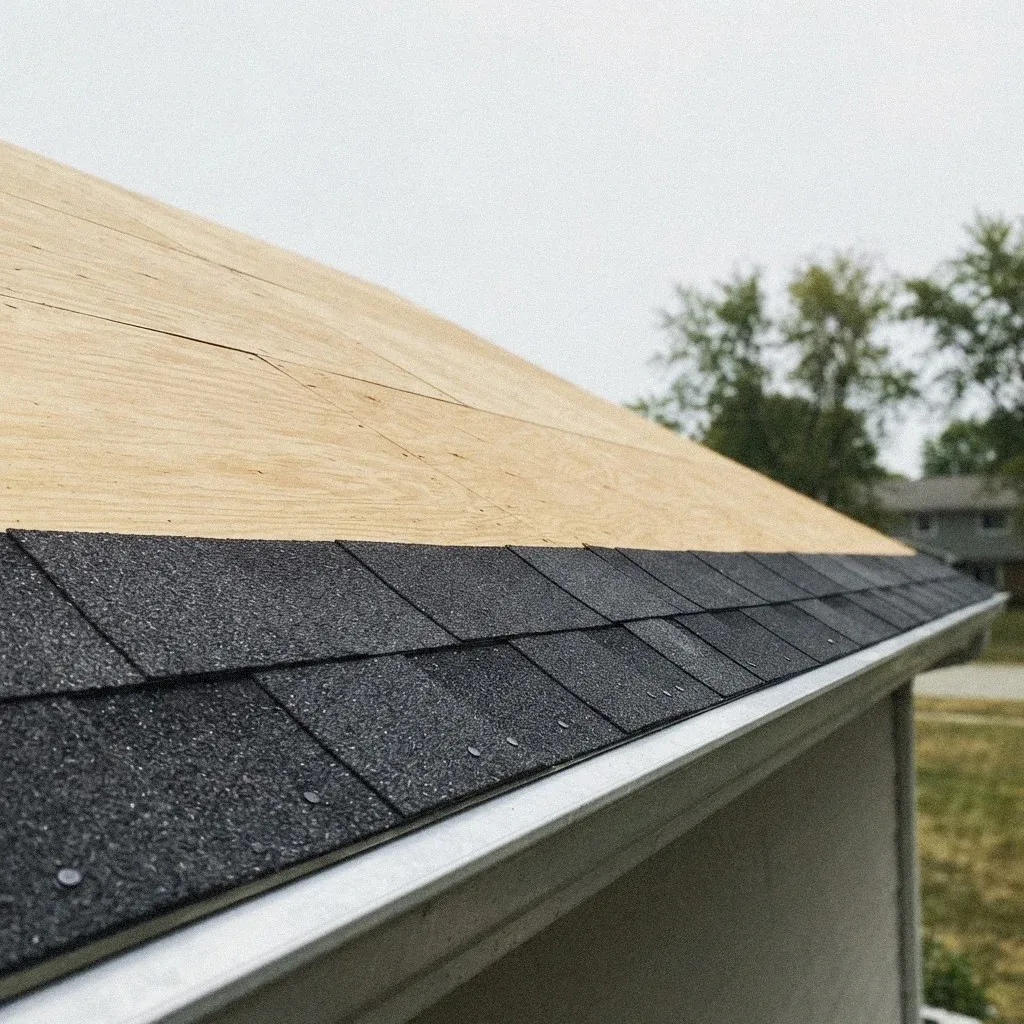
A roof does not fail on a schedule. It fails when a freeze-thaw cycle finally opens a seam that spring rain finds, or when hail bruises a slope nobody checks until a ceiling stain shows up months later.

The slope that gets least sun stays damp longest, holds snow and ice further into a thaw, and grows the streaking you notice from the street. On most houses it is the first side to need work.
Read article
Omaha roofs rarely fail from one hailstorm. Freeze-thaw cycling, shaded valleys, weak flashing, and stale attic air do the real damage, one season at a time.
Read article
Two shingle types cover most Omaha roofs, and the difference is more than looks. Here is what separates layers, weight, wind rating, and warranty before you decide.
Read articleA homeowner near Aksarben Village or out toward Elkhorn is dealing with a specific roof, not a general one, so the details on this page are a starting point rather than the final word. Age, slope, and how the last hailstorm hit matter more than any single description can capture. From here, the licensed pros we connect with can look at what is actually happening and say what it needs.
Call (833) 566-1459