Local & Seasonal
How a Fall Storm Marks an Omaha Roof
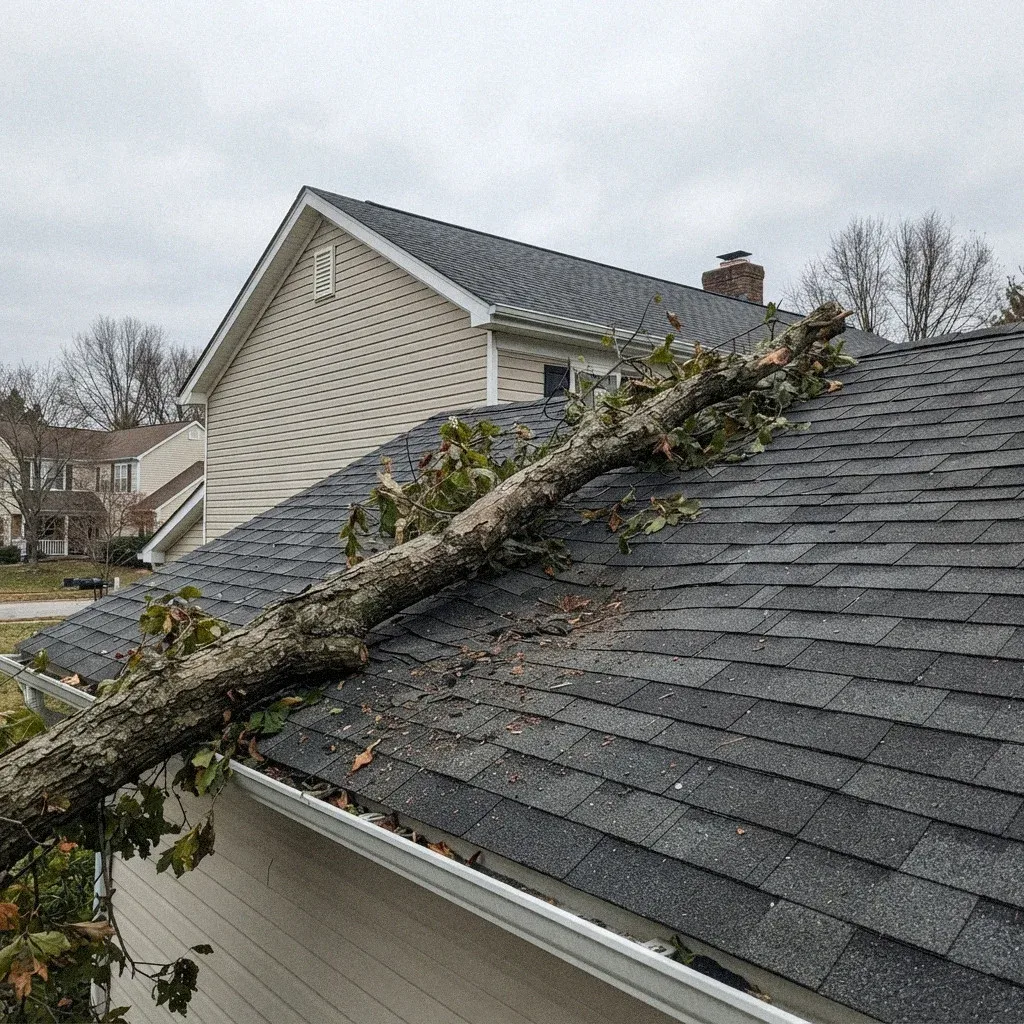
A fall storm doesn't just soak an Omaha roof. Wind grabs the edges, branches come down, gutters lose ground to debris, and rain finds gaps that summer never exposed.
Read article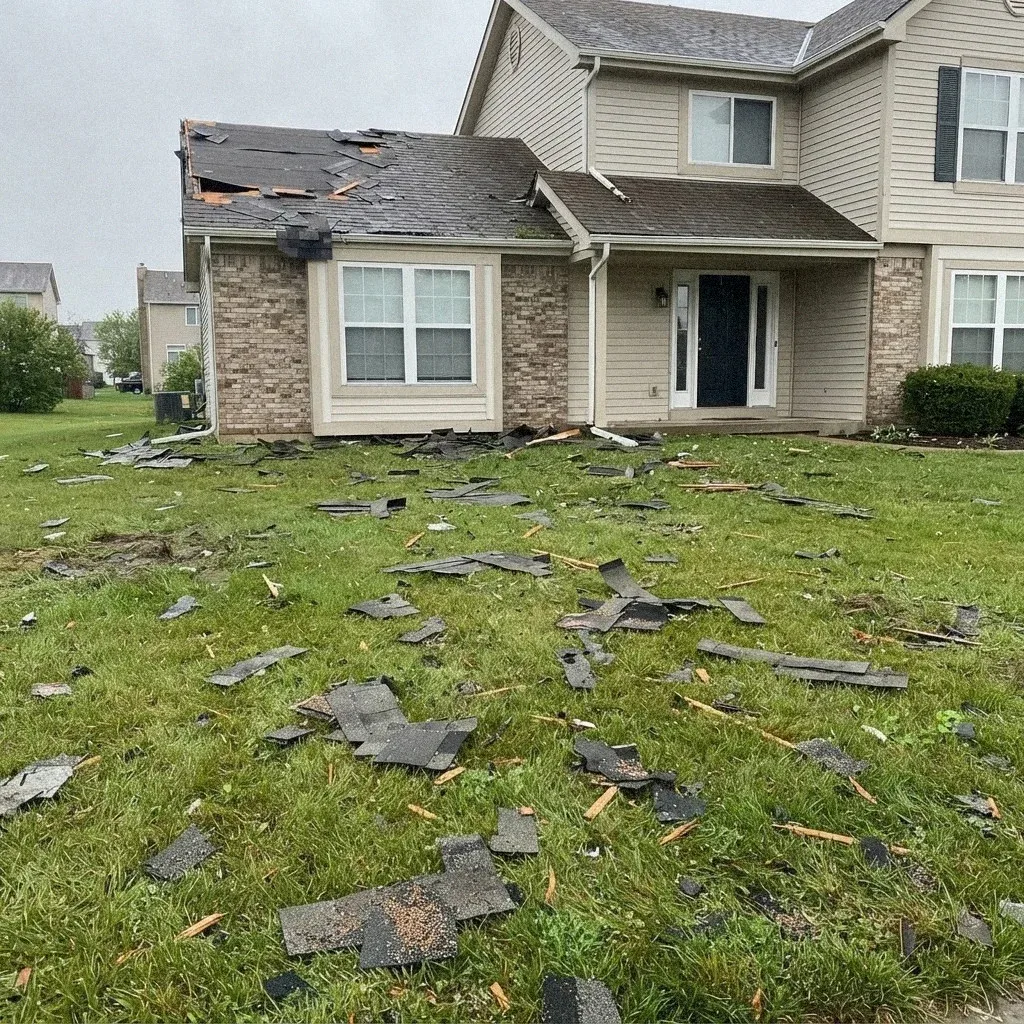
Hail and wind damage found, photographed and repaired across Omaha by licensed local pros.
Storm damage roof repair Omaha, NE starts with a look at every slope, because hail and wind can leave a roof that seems fine from the driveway and has already failed.
Call (833) 566-1459 and we connect you with a local licensed pro who photographs each slope before any repair begins.
Wind damage roof repair fixes shingles whose seal strip has broken, so the tab lifts and creases even when nothing blows off.
A creased shingle still lies flat, but wind-driven rain or the next freeze can open it up. That is how a small crease in the fall turns into a ceiling stain in the spring.
Residential roof repair after a storm means documenting each slope first, then fixing what the hit count says is damaged.
Where the damage stays on one slope, that slope gets the work. Where the roof has failed, patching it is money spent twice.
Emergency covering goes on first if the roof is open, and the permanent work waits for dry weather.
Hail damage commercial roof restoration starts with checking every slope, because hail is directional and one side can be badly hit while the other is untouched.
Soft metals get checked first, then test squares are marked, counted and photographed so the report stands up with an insurer.
Book a full roof inspection before the next storm.
Storm repair works best when a licensed pro looks within a few days, before the hail melts and the evidence is gone.
A policy has a window for reporting sudden damage, and waiting a season turns a claimable event into an argument about ordinary wear.
Don't wait. Call (833) 566-1459 now.
Storm damage gutter repair fixes the dented gutter aprons and downspouts that hail leaves behind.
Omaha gets intense, short downpours, and full basements are common here, so gutters that drain poorly can send water toward the foundation.
Dents in downspouts, gutter aprons and vent caps mean the hail was big enough to matter.
Grit piled at the downspout outlet or shingle pieces along the fence line point to roof damage.
A dark crease line across a slope means tabs have folded over in the wind.
A hail bruise feels soft, with the granules knocked off in a circle.
Say what you saw and when, like hail on the grass or dents in the downspouts. The storm date matters because a policy has a window for reporting sudden damage.
Every slope is checked, not only the one facing the storm. Soft metals come first, then test squares are marked on the shingles and counted.
Each elevation is photographed and dated, with the hit count for every test square. Cleanup comes after, because tidying the yard first destroys the evidence.
Damage on one slope means that slope gets repaired. If the hit count says the roof has failed, patching it is money spent twice.
Omaha is a hail market, and hail is the most common reason a roof here gets replaced early. Hail bruises the mat under the granules, so a roof can look sound from the driveway and still have failed.
Two clocks start when the storm passes: the policy's reporting window for sudden damage, and the short life of the evidence. A look within a few days costs nothing and settles both.
Documentation happens before cleanup and slope by slope, because hail is directional. Each slope gets its own dated photographs, marked square and hit count.
These are the figures quoted most often for storm & wind damage roof repair. The size of the roof, its pitch, and how easy it is to get a ladder to move the number.
| State License | Proof Of Coverage | Payment Terms |
|---|---|---|
| Lien releases protect a homeowner even after the main contractor has been paid in full. If a supplier or subcontractor further down the chain never got paid, a lien can still attach to the property months after the roof looks finished and paid for. | Roof walked in person, flashing and vents checked by hand | an estimated $630–$7125 |
| Lien releases matter on any job with more than one crew involved. Get written proof from every supplier and subcontractor, not just the company signing your contract, before final payment leaves your hands. On larger insurance-funded jobs, unpaid subs can file a claim against the property even after you've paid in full. | Tear-off with impact-resistant shingle option, gutters checked, not replaced | an estimated $900–$9750 |
| A quote presented as final sometimes still has sales tax added on top of the full amount, labor included, not only materials. That distinction changes the real total, so it is worth confirming in writing before comparing one bid against another. | Tear-off across a larger roof, decking swapped by the section | an estimated $1170–$13500 |
| A permit record, when the work requires one, outlives the roof itself. A reroof completed and closed out properly through the City of Omaha Planning Department leaves a paper trail that matters later, whether for an insurance claim or a home sale. | Strips roof to deck, replaces flashing and valleys, files City of Omaha permit | an estimated $1620–$19500 |
Warranty language varies by what it actually covers: labor, materials, or both, and for how long. A verbal promise of a warranty is worth asking to see in writing before any work begins.
The photos are your claim. Once a repair starts, the evidence of what was there is gone, and dated pictures of each elevation answer the insurer's questions before they are asked.
Yes, and that is the usual pattern. A creased shingle lies flat, so nothing leaks until wind-driven rain gets under it or the crease opens with the next freeze.
Flashing is part of the job, and often the more important part. Wind lifts counterflashing away from brick and hail dents valley metal and vent flanges, so a storm repair that reuses damaged flashing comes back.
Expect an estimated $900–$7500 per job for storm & wind damage roof repair around Omaha. Where you land inside that comes down to the number of squares, the pitch, and how easy it is to get a ladder and a dumpster to the house. The inspection is free, so you get a real figure rather than a guess.
A roof does not fail on a schedule. It fails when a freeze-thaw cycle finally opens a seam that spring rain finds, or when hail bruises a slope nobody checks until a ceiling stain shows up months later.
A fall storm doesn't just soak an Omaha roof. Wind grabs the edges, branches come down, gutters lose ground to debris, and rain finds gaps that summer never exposed.
Read article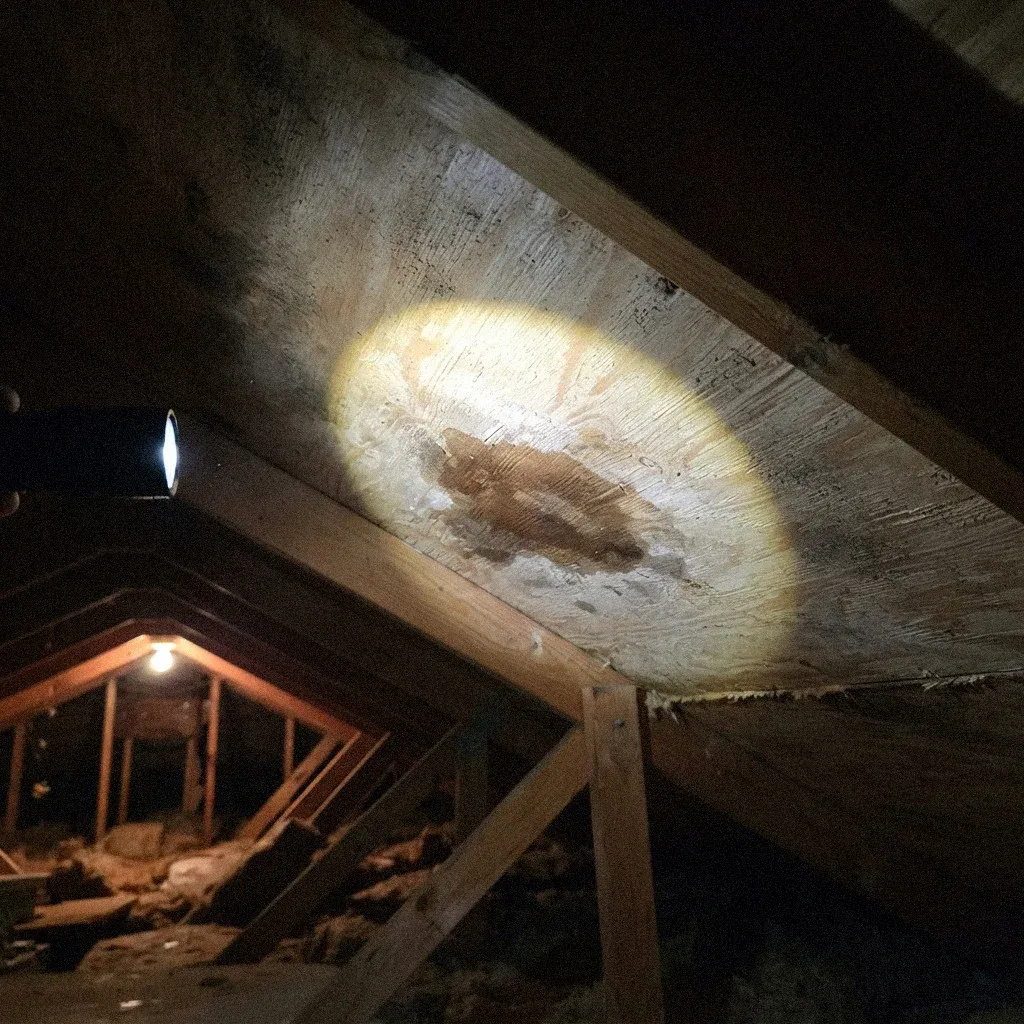
Omaha roofs rarely fail from one hailstorm. Freeze-thaw cycling, shaded valleys, weak flashing, and stale attic air do the real damage, one season at a time.
Read article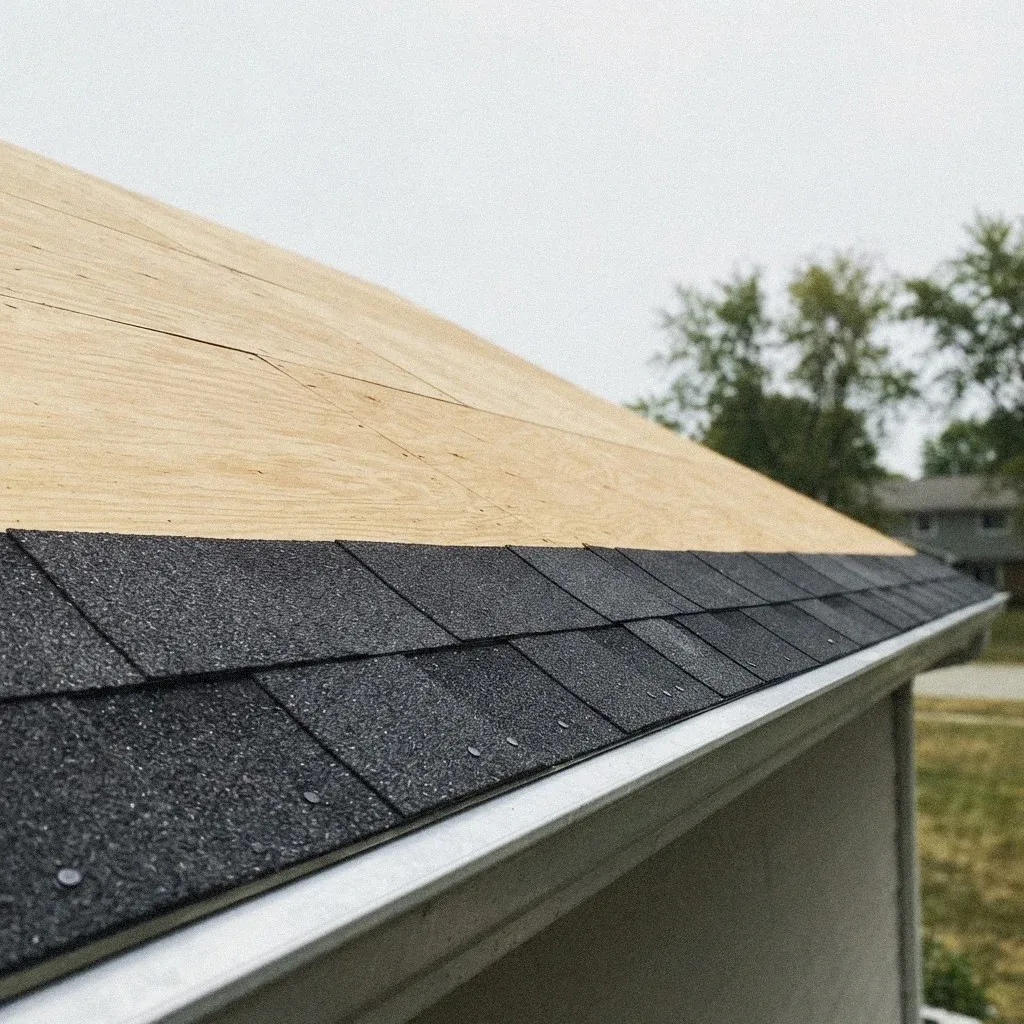
Two shingle types cover most Omaha roofs, and the difference is more than looks. Here is what separates layers, weight, wind rating, and warranty before you decide.
Read articleA homeowner near Aksarben Village or out toward Elkhorn is dealing with a specific roof, not a general one, so the details on this page are a starting point rather than the final word. Age, slope, and how the last hailstorm hit matter more than any single description can capture. From here, the licensed pros we connect with can look at what is actually happening and say what it needs.
Call (833) 566-1459