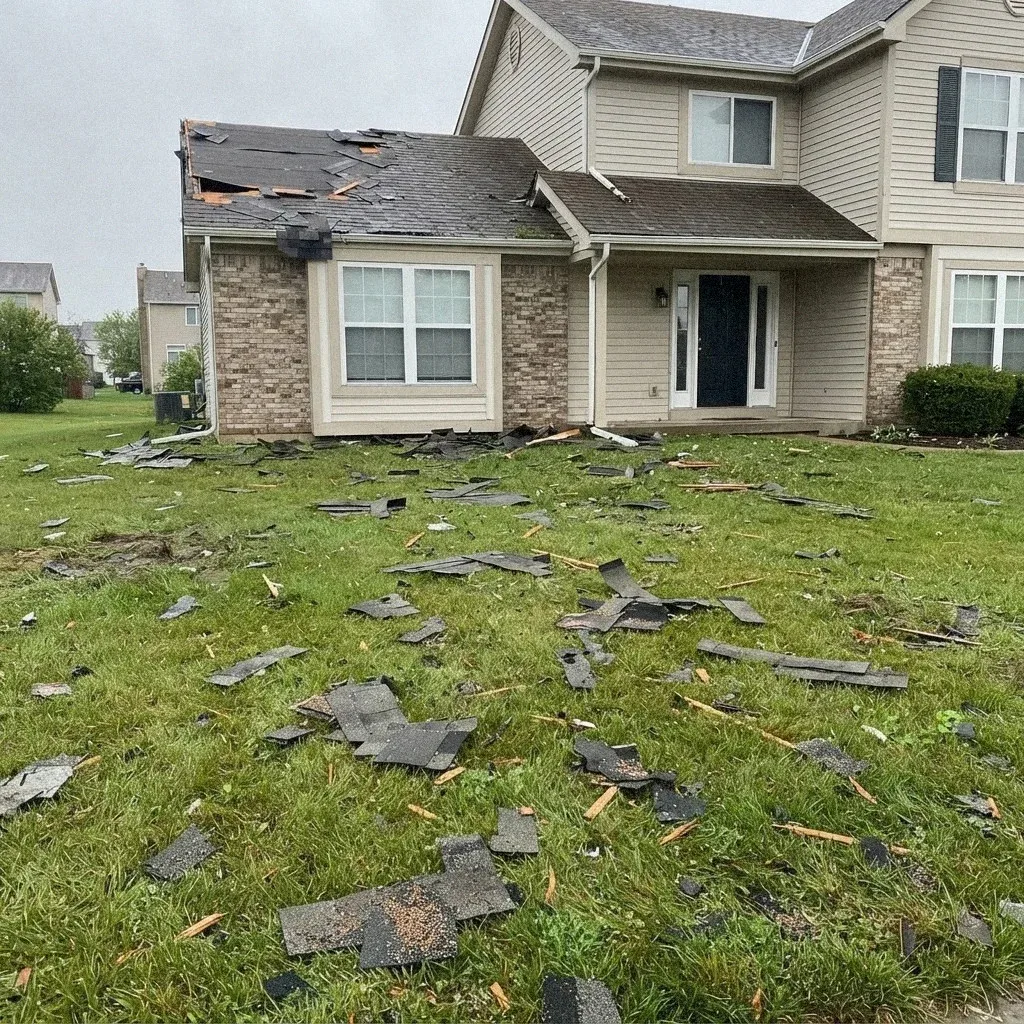
Storm & Wind Damage Roof Repair
Hail and wind damage found, documented and repaired across Omaha.
Learn about Storm & Wind Damage Roof RepairMillard-era ranch and split-entry roofs near Q Street face routine spring hail wear.
Southwest Omaha's 68137 sits 10.6 miles west of downtown, past the Millard Airport side of Q Street, inside city limits though the feel is still suburban. Ranch and split-entry homes line curving streets and cul-de-sacs near Millard's older plats.
Freeze-thaw cycling, spring hail, and heavy short-burst rain do more cumulative damage than any one storm.
Roof drainage matters here because so many Omaha homes sit over a full basement, not a crawlspace. When gutters overflow or downspouts dump water against the foundation, that water has somewhere bad to go. Heavy spring downpours test this fast. A roof that sheds water correctly is doing basement protection work too, not just covering your head.
Spring hail moving through this corridor hits low-slope ranch roofs and steep-pitch splits alike, with basements standard under the frost line. Freeze-thaw cycling works at flashing and shingle edges through winter into a wet spring. Omaha's roof stress comes in two separate seasons, not one. Spring brings hail and straight-line wind that dent or crack shingles outright. Winter brings freeze-thaw cycling that works slower, opening flashing seams and granule loss nobody notices until a leak shows up months later.
Southwest Omaha 68137 has Millard Airport nearby, which means flat and low-slope roofs as well as pitched ones. Those live or die on documentation: a warranty is only worth what the paperwork behind it can prove.
Treat these as a guide rather than a quote. What moves the figure is the category of water, the size of the property, and how long it has been sitting.
| Service | Estimated cost |
|---|---|
| Storm & Wind Damage Roof Repair | an estimated $900–$7500 |
| Gutter Repair & Replacement | an estimated $1200–$4800 |
| Roof Replacement | an estimated $11000–$30000 |
| Flat & Low-Slope Roofing | an estimated $9000–$26000 |
Miller Park sits well north of this pocket, but the name gets confused with newer subdivisions near Millard Airport that use similar park branding on their entrance signs — a mix-up worth sorting out before giving directions to a roofing crew.
Millard Airport gives this side of Q Street its open, low-tree-cover lots, where roofs see more direct sun and less limb debris than shaded streets closer to downtown.
Q Street marks the corridor separating this neighborhood from areas north, and homes fronting it sit within an easy drive time of both Millard's older core and newer West Omaha construction.
Hail and wind damage found, documented and repaired across Omaha.
Learn about Storm & Wind Damage Roof Repair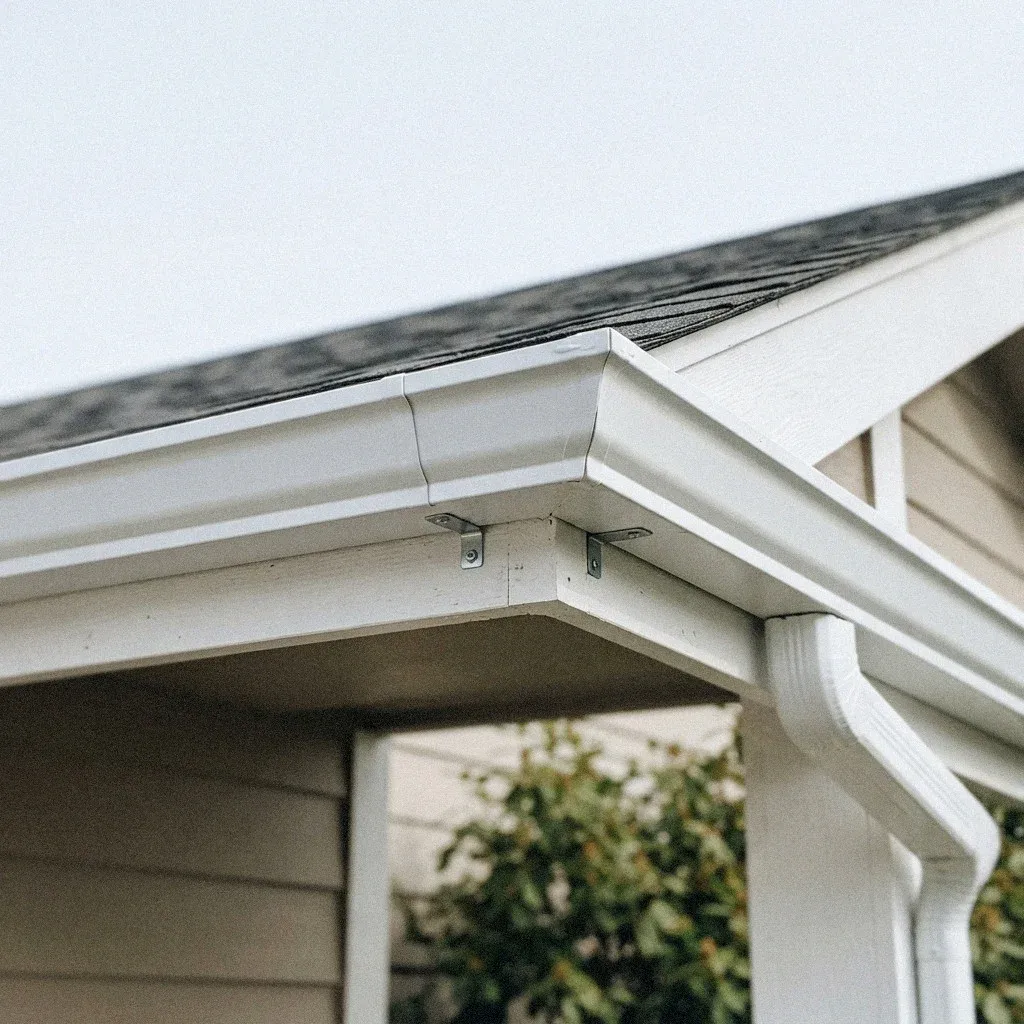
Gutters rehung to the right pitch and tested with water.
Learn about Gutter Repair & Replacement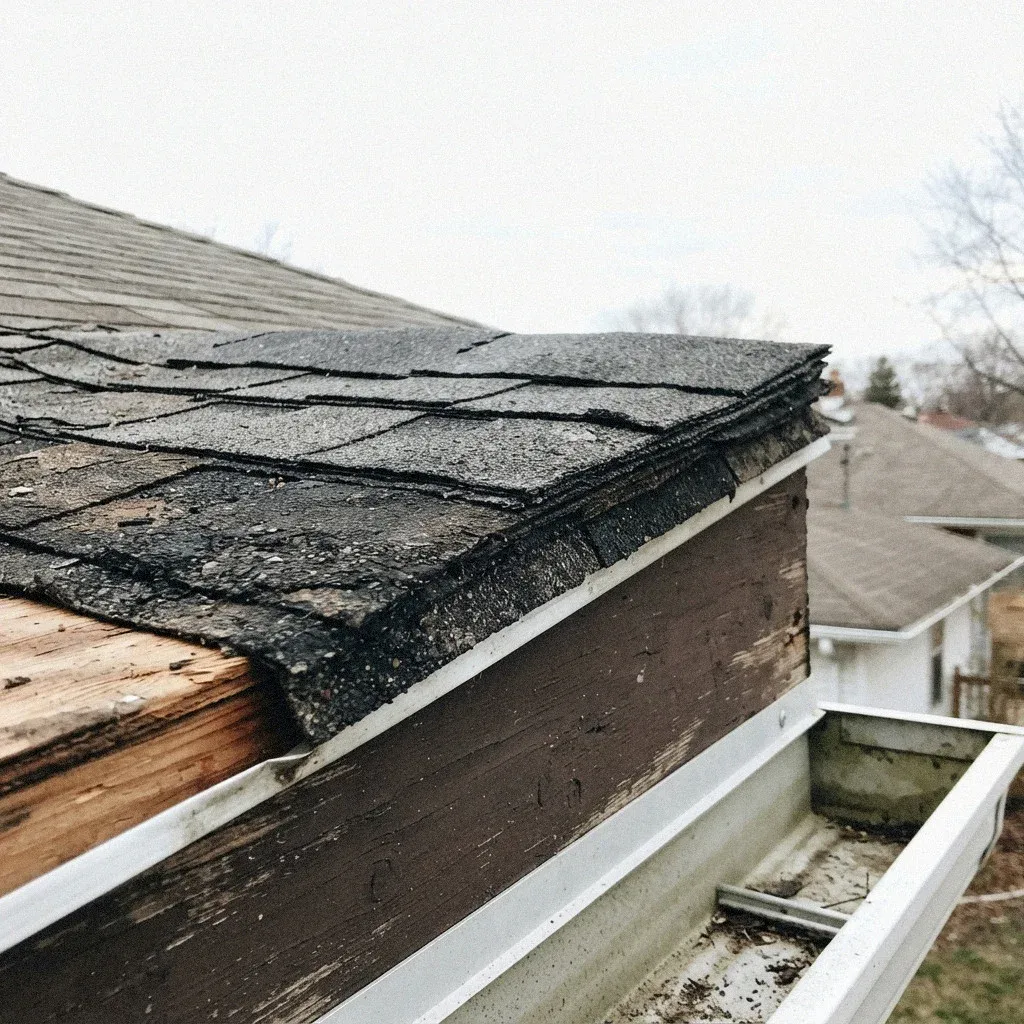
Every layer stripped to the deck, rebuilt right, on your schedule.
Learn about Roof Replacement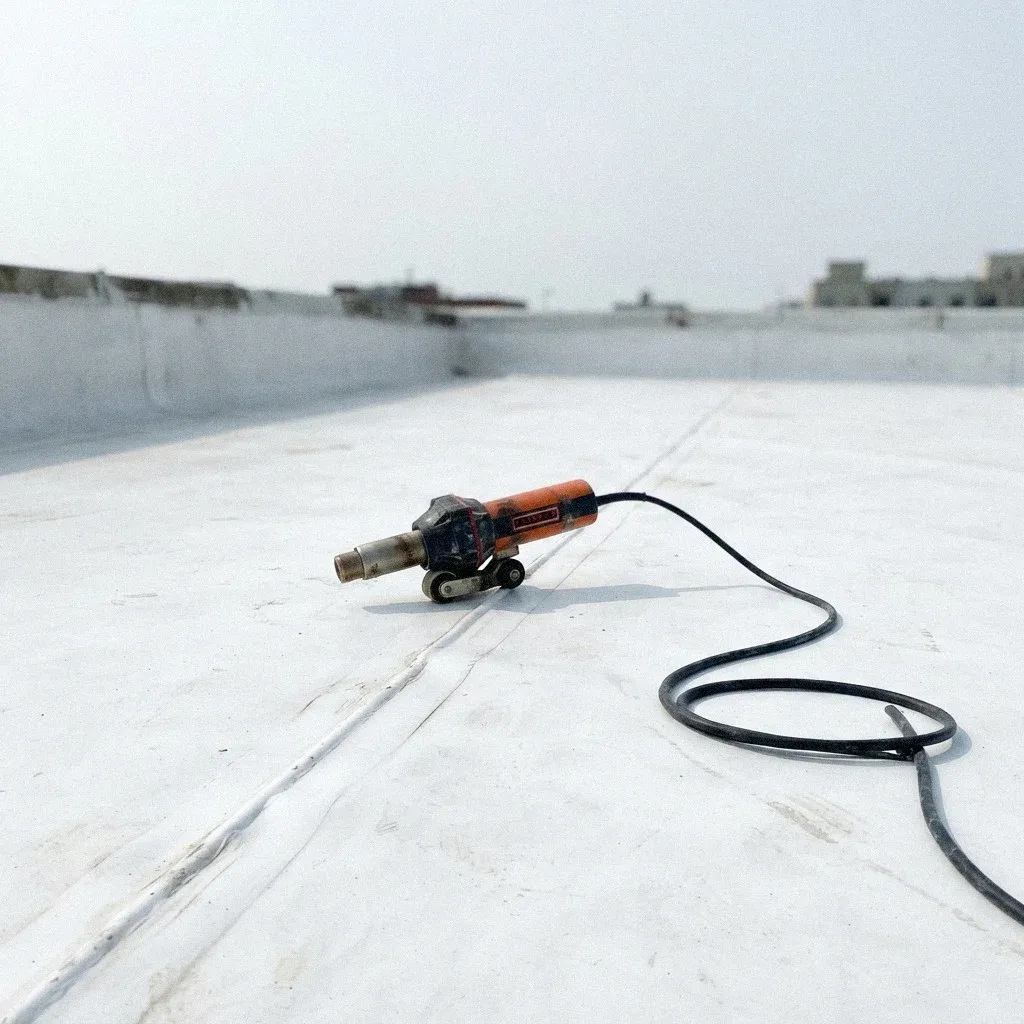
Membrane roofing built to drain, not to pond.
Learn about Flat & Low-Slope RoofingMost homes in this pocket of 68137 date from Millard's main suburban build-out, roughly 1970 through the 1990s, per neighborhood housing profiles. Ranch, split-entry, and tri-level single-family houses dominate, nearly all with basements below the frost line rather than crawlspaces, on lots platted during that expansion era near Q Street.
Some later subdivisions inside this stretch of 68137 carry HOA covenants touching roofing material or color, but no single rule covers the whole ZIP code. Older Millard-era plats near Q Street were built out before HOA architectural review was common practice locally, so coverage varies block by block.
Homes closest to Millard Airport sit on flatter, more open lots than streets tucked into the older Millard grid, with less tree cover overhead. That openness means less shade but also fewer limbs and needle drop landing on the roof after storms move through this part of the corridor.
Roofing permits for Southwest Omaha 68137 go through the City of Omaha Planning Department, the same office covering the rest of the city, since this pocket sits inside city limits rather than unincorporated Douglas County. A homeowner near Miller Park or off Q Street files there before a tear-off or major repair begins. Minor patch work often doesn't trigger the same review, but checking first avoids a stop-work order mid-project.
Ranch homes here tend toward low-slope hip and gable roofs, while the split-entry and tri-level houses common on the same streets carry steeper gable forms. Composition shingle covers most of both, sized for Millard's suburban lot lines rather than the smaller frontages found in Omaha's older midtown neighborhoods.
Usually the same day, yes. Urgent jobs jump the queue here: water coming through a ceiling, a slope torn open by wind, or a limb down on the roof. Those are taken around the clock. Anything that can safely wait is booked at the standard rate instead.
Every part of Omaha answers to the same hail season and the same winter freeze-thaw, but not in the same way. An older home near Hanscom Park with decades of roofing history wears differently than a newer build out toward Elkhorn on its original shingles. Proximity to Papillion Creek or the Missouri River floodplain changes the drainage story too. The licensed pros we connect you with know how these local differences show up on an actual roof, not just a map.
Call (833) 566-1459