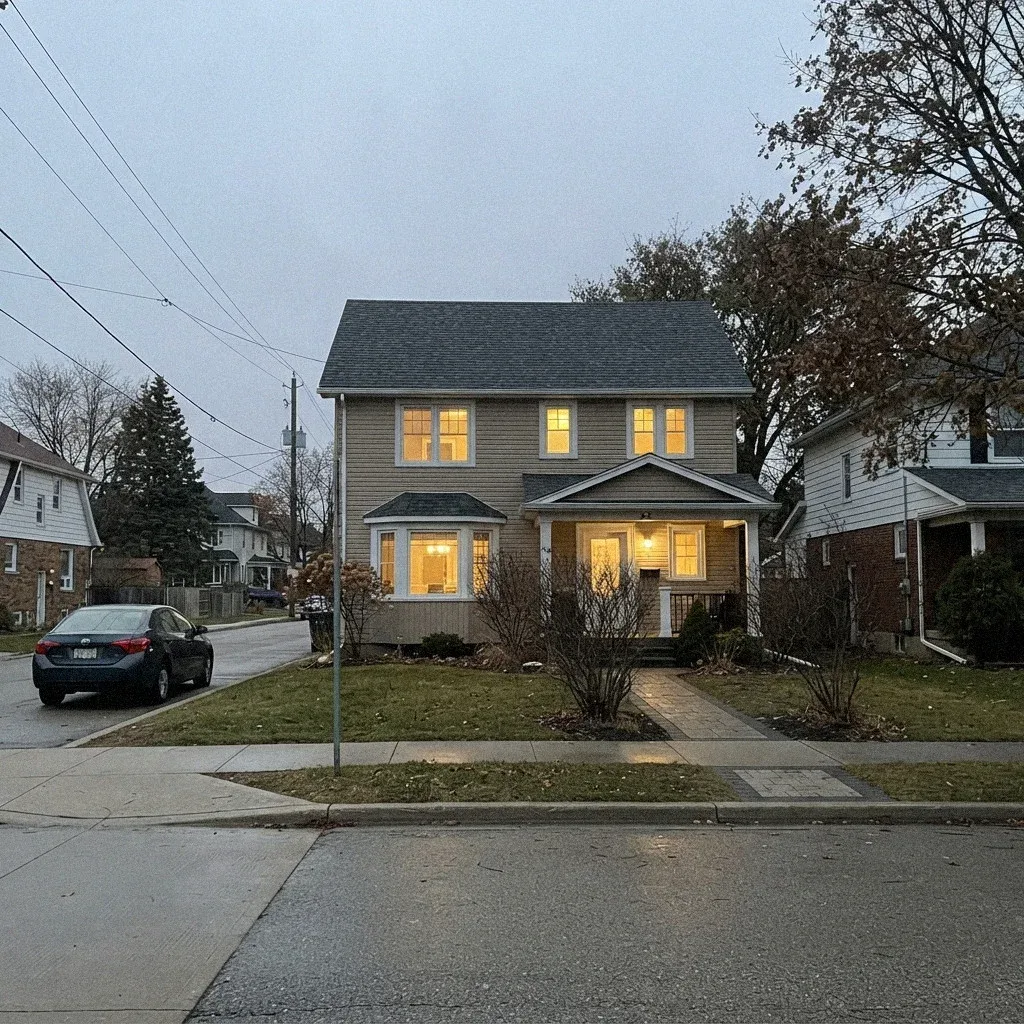
Materials & Types
Owning A Cedar Shake Roof In Omaha
A cedar shake roof asks more upkeep than a shingle roof in Omaha. Here is what shake versus shingle actually means, why grade and exposure matter, and when repair no longer pays off.
Read article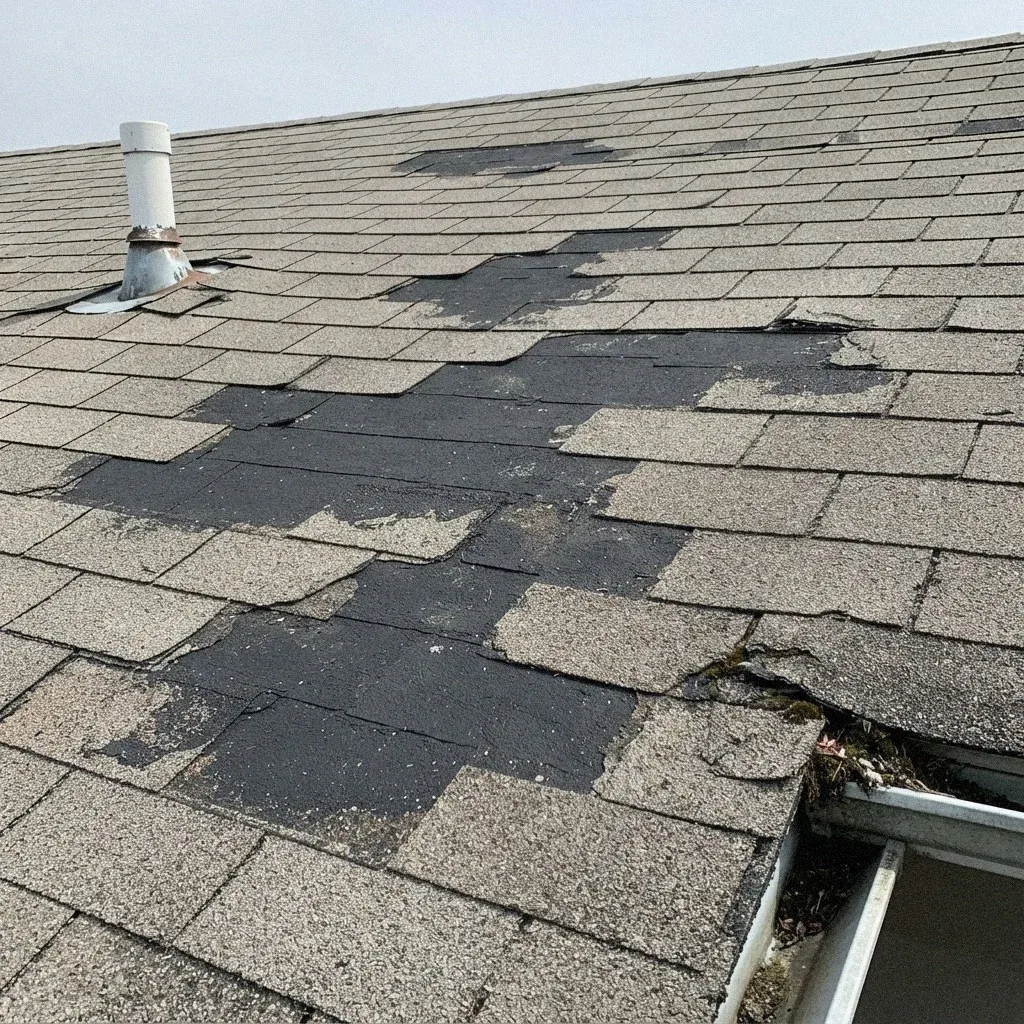
We find where the water gets in and fix that spot, not just the stain on your ceiling.
Roof repair Omaha, NE homeowners need starts at the entry point, not at the stain. A repair aimed at the stain can look fine for a season and then come back.
Call (833) 566-1459 and we connect you with a local licensed pro who inspects first and quotes in writing before work starts.
Emergency roof repair means getting a licensed pro onto your roof fast to stop water from coming in. Don't wait for the next storm to make it worse.
Eastern Nebraska gets severe thunderstorms with large hail and damaging wind. If a storm has opened your roof, call now so the opening can be covered and the repair planned.
A good roofing contractor gets on the roof and into the attic before giving you a price. Nothing should be quoted from the driveway.
Nebraska has no statewide roofing license, but contractors must register with the Nebraska Department of Labor. Omaha also requires its own contractor license for building work inside city limits.
Leaking roof repair means finding where water enters, which is often not where the stain shows. Water travels along a rafter before it drops.
That is why the inspection comes before the price. For more on this, see our roof leak repair page.
Residential roof repair in Omaha mostly happens at the details: fasteners, pipe boots and flashing. Summers run well above ninety and winters well below zero, and that movement backs out nails, splits boots and works at every joint.
A repair that seals over a detail instead of replacing it comes back next year. Replacing worn flashing is the fix that lasts.
Minor roof repair covers a few lifted or missing shingles, loose nail heads or a split pipe boot. These are cheap to fix and they leak long before they look serious.
A small patch usually does not need a permit, but ask before work starts and get the answer in writing. See the pricing guide for what repairs cost.
A tab with a broken seal strip sits flat until the wind gets under it again, leaving a gap open to driven rain. Check the rakes and ridge first, where uplift starts on an exposed Omaha lot.
A row of small bumps across a slope is fasteners backing out. Each one lifts the shingle above it and leaves a hole over a shingle lap, so a line of them is a reason to call now.
A dip in one section usually means the sheathing under it has gone soft from repeated wetting. From the driveway it looks like gentle waviness, and the repair will include decking.
The pro gets on the roof and into the attic to find the real entry point. Water travels along a rafter, so the inspection comes before the price.
You get in writing what is being repaired and what is not, before anything is ordered. It should name the decking rate per sheet, because soft wood only shows once the covering comes off.
New shingles tuck under the course above, flashing is replaced rather than sealed over, and fasteners go into sound wood. Anything found along the way gets reported before it is dealt with.
Before the ladder comes down you get photos of the finished repair, a note of anything found and left, and a written workmanship warranty with a length on it.
Omaha swings from summers well above ninety to winters well below zero, and that movement backs out fasteners and splits pipe boots. Repairs here cluster at the details, and a seal-over instead of a replacement is the one that comes back.
Roof permits in Omaha come from the City Planning Department, and the scope decides whether you need one, not the cost. A small patch usually does not, but anything near a reroof does. Ask before work starts and get the answer in writing.
Fading, discontinued colors and changed profiles can leave a watertight patch visible from the street. A good roofer says so up front and offers the choices: take material from a less visible slope, accept the mismatch or replace the slope.
Here is roughly what roof repair runs locally. Treat it as a guide — the property itself decides where inside the range you land.
| State License | Proof Of Coverage | Payment Terms |
|---|---|---|
| Nebraska licenses roofing contractors at the state level, and that license status can be verified before work starts. It matters more than a glossy truck wrap or a door hanger left after a hailstorm. Ask for the license number directly, then confirm it independently rather than taking a business card's word for it. | Roof walked in person, flashing and vents checked by hand | an estimated $280–$2090 |
| Confirm liability coverage exists before work starts, not after. It matters if a tool falls through a skylight or a worker gets hurt on the job, since coverage decides whether that cost lands on the contractor or ends up on your homeowner's policy instead. | Tear-off with impact-resistant shingle option, gutters checked, not replaced | an estimated $400–$2860 |
| A bond and an insurance policy solve different problems. The bond is a smaller backstop for work left unfinished or done poorly; insurance covers accidents and damage during the job itself. Confirming both takes one phone call, not a leap of faith. | Tear-off across a larger roof, decking swapped by the section | an estimated $520–$3960 |
| A deposit that covers the full contract price before any material arrives is a warning sign, not a courtesy discount. A reasonable payment schedule ties each draw to a stage of work completed, so nobody is left holding an unfinished roof and an empty account. | Strips roof to deck, replaces flashing and valleys, files City of Omaha permit | an estimated $720–$5720 |
Materials sitting on a driveway for weeks before work starts is normal scheduling, not a red flag by itself. A delivery with no signed contract or permit behind it yet is the thing worth asking about.
It depends on what is repaired and how old the roof is. A new pipe boot or a run of replaced flashing will outlast several winters, while a patch on a roof already losing granules buys one season. An honest quote tells you which one you are getting.
Age, the number of slopes affected, the condition of the decking and the layers already on the roof decide it. A roof past twenty years with damage on more than one side is usually past patching. If a repair buys two years on a roof with five left, you are paying twice.
It should be, in writing, with a length on it. A workmanship warranty covers the repair itself and is separate from any manufacturer material warranty. Ask how long it runs and what it covers before work starts.
Not always, and a good pro will tell you so up front. Shingles fade and colors are discontinued, so a patch can be watertight and still show from the street. You can take material from a less visible slope, accept the mismatch or treat the slope as due for replacement.
Roof repair in this area typically falls between an estimated $400–$2200 per job. The free inspection is what turns that range into an exact number, and you see it in writing first, with the per-sheet rate for any bad decking on it.
A roof does not fail on a schedule. It fails when a freeze-thaw cycle finally opens a seam that spring rain finds, or when hail bruises a slope nobody checks until a ceiling stain shows up months later.
A cedar shake roof asks more upkeep than a shingle roof in Omaha. Here is what shake versus shingle actually means, why grade and exposure matter, and when repair no longer pays off.
Read article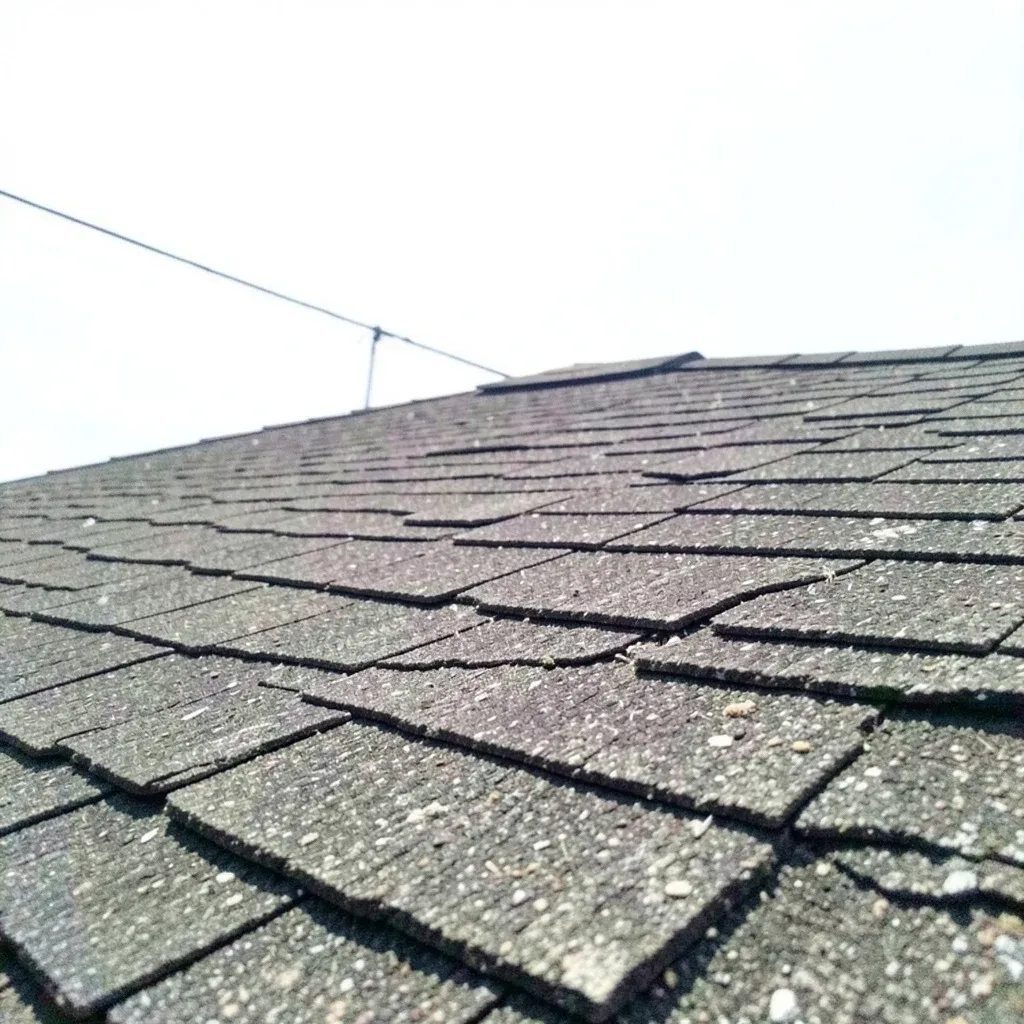
A leaking roof in an Omaha rental raises habitability questions fast. Here's how notice, repair timelines, and tenant remedies work under Nebraska law.
Read article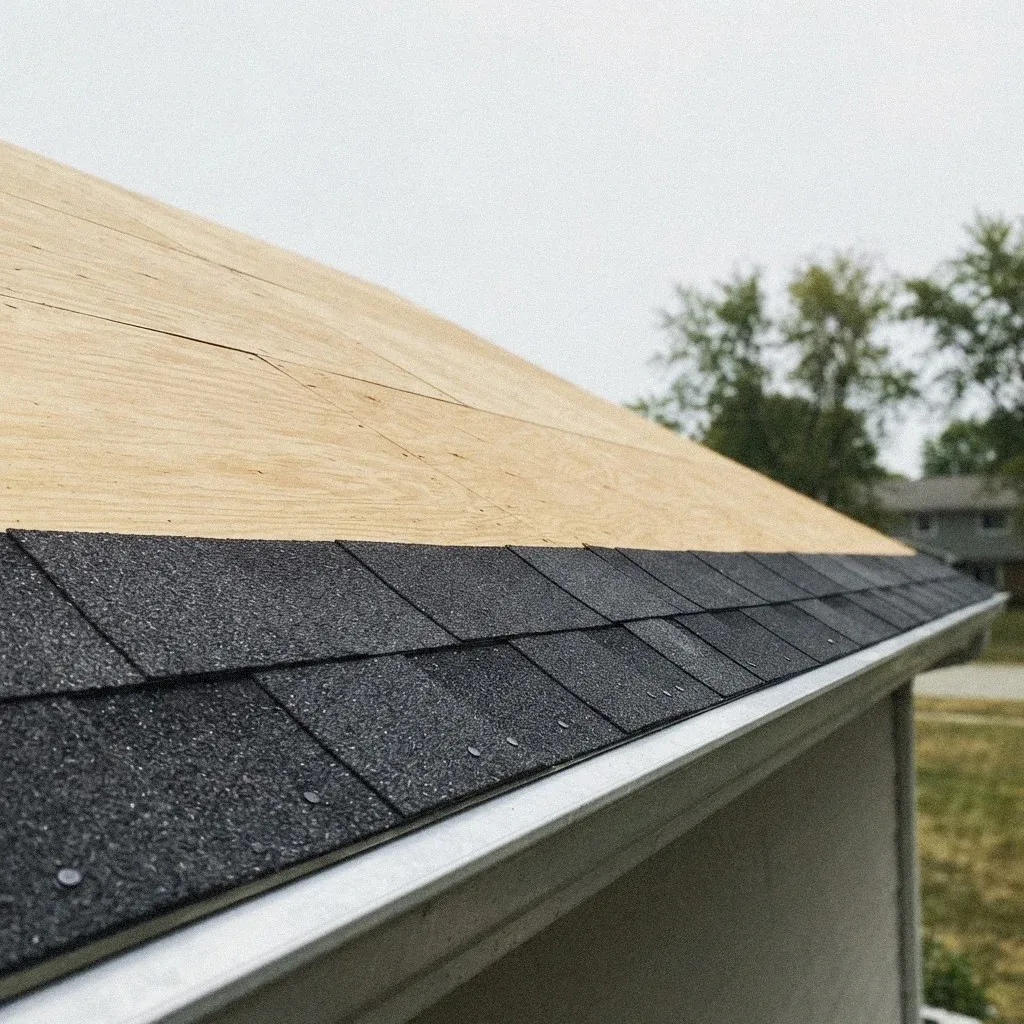
Two shingle types cover most Omaha roofs, and the difference is more than looks. Here is what separates layers, weight, wind rating, and warranty before you decide.
Read articleA homeowner near Aksarben Village or out toward Elkhorn is dealing with a specific roof, not a general one, so the details on this page are a starting point rather than the final word. Age, slope, and how the last hailstorm hit matter more than any single description can capture. From here, the licensed pros we connect with can look at what is actually happening and say what it needs.
Call (833) 566-1459