A cedar shake roof over a Dundee or Benson bungalow behaves differently than the composition shingle covering most Omaha roofs. Shake versus shingle isn't just a look. Wood shrinks and swells with every freeze-thaw swing this climate delivers, and that movement is built into how the roof is supposed to work, not a flaw the owner has to fight. Understanding that difference is where owning one starts.
Two Ways Shake Is Cut
Hand-split shake is riven off the log with a mallet and blade, so each face is rough and the thickness varies piece to piece. Taper-sawn shake is milled instead, giving a flatter, more even face and a thinner, more uniform butt. Both shed water the same way once installed, but taper-sawn holds a cleaner line across a Midtown roofline, while hand-split reads heavier and more irregular from the street.
Why Keyways Matter
A keyway is the narrow gap left between two shakes sitting in the same row, and it exists on purpose. Wood swells when it takes on rain, and without room to move it would bow or force itself loose. Roofers in Omaha size that gap by eye, tighter in a dry summer install, wider if the shakes are still damp from the yard. Skip it and the whole course fights itself once winter humidity swings hit.
Spaced Sheathing And Airflow
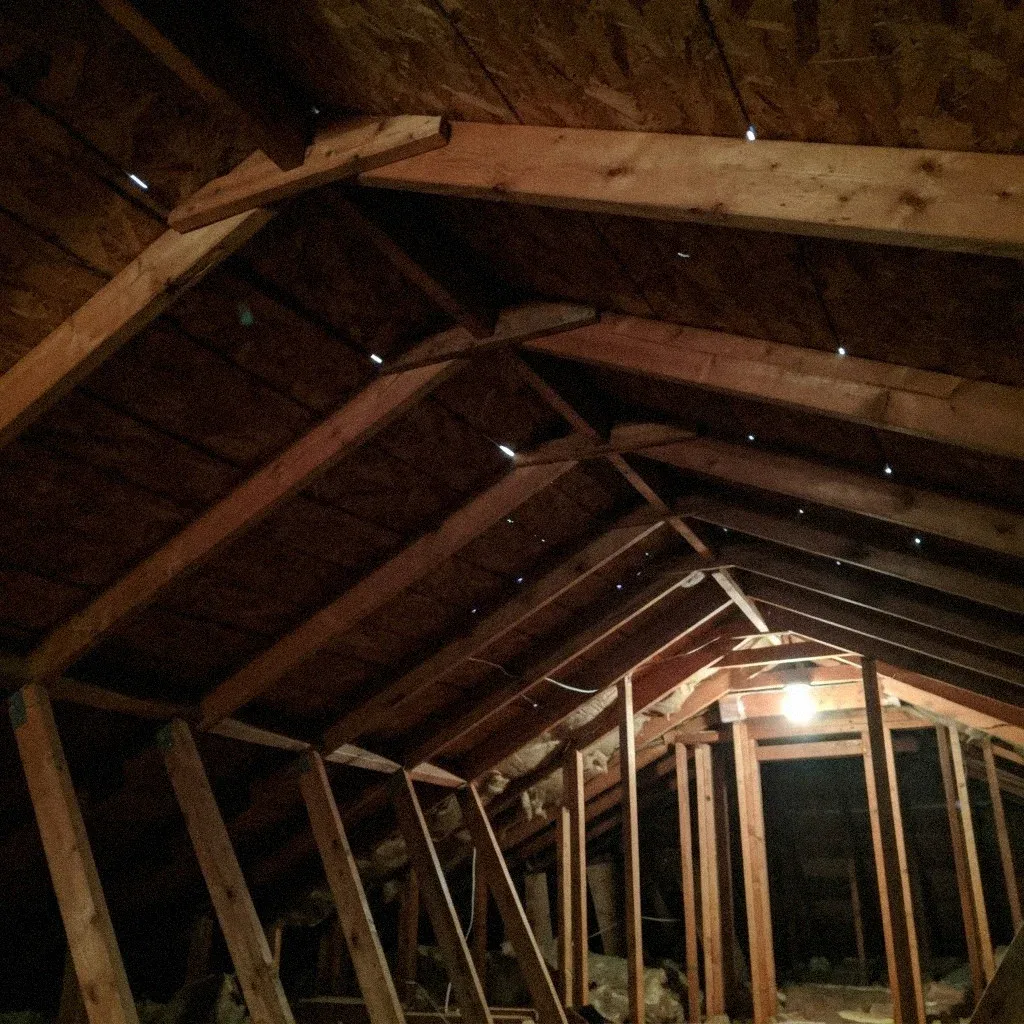
Older shake roofs around Field Club and Hanscom Park often sit on boards nailed with open gaps between them, rather than the solid decking under most newer roofs. Those gaps let air move under the shakes so the underside dries out about as fast as the top does. A shake nailed straight to solid decking with no airflow underneath stays damp longer on the back face, and that uneven drying is what starts a lot of the problems below.
Felt Interlayment Explained
Spaced sheathing is boards nailed with open gaps between them instead of a solid plywood deck, and older cedar shake roofs around Omaha were often built this way on purpose. Air moves through the gaps and dries the underside of each shake after a storm. Felt interlayment does similar work higher up, a course of felt tucked behind each row of shakes so water that gets past the surface has somewhere to drain instead of soaking straight into the sheathing below.
What Cupping Looks Like
Cupping shows up as the outer edges of a shake lifting while the middle stays put, and it comes from the two faces drying at different speeds after rain. The top dries fast in the sun; the underside, shaded and often still damp from the spaced sheathing gap below, holds moisture longer. Repeated soak-and-dry cycles through an Omaha spring push that mismatch further each year until the shake stops lying flat against its neighbors.
Splitting And Its Causes
Splitting runs a crack down the length of a shake, following the wood's grain rather than crossing it. Freeze-thaw is the usual driver here: water works into a small check, freezes overnight when temperatures drop, and the ice widens the crack a little more each cycle. A shake with one clean split isn't failing yet, but a run of them along the same exposure line often means that whole section took the brunt of a season's weather.
Checking Versus Splitting
Checking is shallower than a split: fine surface cracks that follow the grain but never cut all the way through the wood. A little checking on an older shake roof near Gifford Park or Bemis Park is normal and not urgent on its own. It becomes a concern when checks widen enough to trap water, because that's usually the first stage toward a full split once winter freeze-thaw gets into the gap.
Grade And Butt Thickness
Shake grade was set before the roof ever went up, and it still shapes how the roof ages. A better grade with a thicker butt edge sheds water longer and resists cupping better than a thin, lower-grade piece exposed to the same Omaha weather. Some owners also had their shakes treated shake with a fire retardant or preservative at installation, which can slow decay but doesn't stop the wood from moving with moisture the way untreated cedar does.
When Individual Repair Works
Individual shake replacement is routine maintenance, not a red flag. A roofer pulls the damaged piece, works a new one into the same exposure without disturbing the courses around it, and moves on. This works well when the surrounding shakes are still sound and the felt interlayment underneath hasn't been exposed for long near West Farnam or Blackstone homes with this kind of roof. Scattered, isolated damage is exactly what this repair is built for.
When Repair Stops Making Sense
Individual shake replacement makes sense when the damage sits in a handful of spots and the sheathing underneath is still sound. It stops making sense once checking, curling edges, and cracked pieces are scattered across most slopes rather than one corner, because that pattern points to the felt interlayment and the shakes themselves aging out together. At that point a homeowner is usually better served asking the licensed pros we connect you with for a full look at the roof, not another round of patchwork.
What Neglect Actually Costs
A shake roof left unchecked doesn't fail in one event. Pieces go missing or split a few at a time, and each gap opens the sheathing below to rain that would otherwise run off the surface. Given how many older Omaha homes still rely on a full basement, water finding its way down through a weak spot in the attic and framing is a bigger problem here than a cosmetic one, and it's cheaper to catch early than after a ceiling stain shows up.
Dealing with this in your home?
Omaha roofs fail on their own timeline. Dundee and Benson still have prewar homes with basements below, where a clogged gutter means water finding its way down, not just across. Blocks near Elkhorn or Millard face the same April hail but newer decking. Same city, same spring, different repair.