A maintenance visit on an Omaha roof is not one repair, it is a short list of specific tasks done together on one trip up the ladder. Sealant renewal, pipe boot checks, fastener re-seals, flashing work, resetting a lifted shingle here or there, and clearing debris out of valleys all fall under this list. Freeze-thaw cycling through an Omaha winter is what wears most of these items down in the first place.
Sealant Renewal And Roof Cement
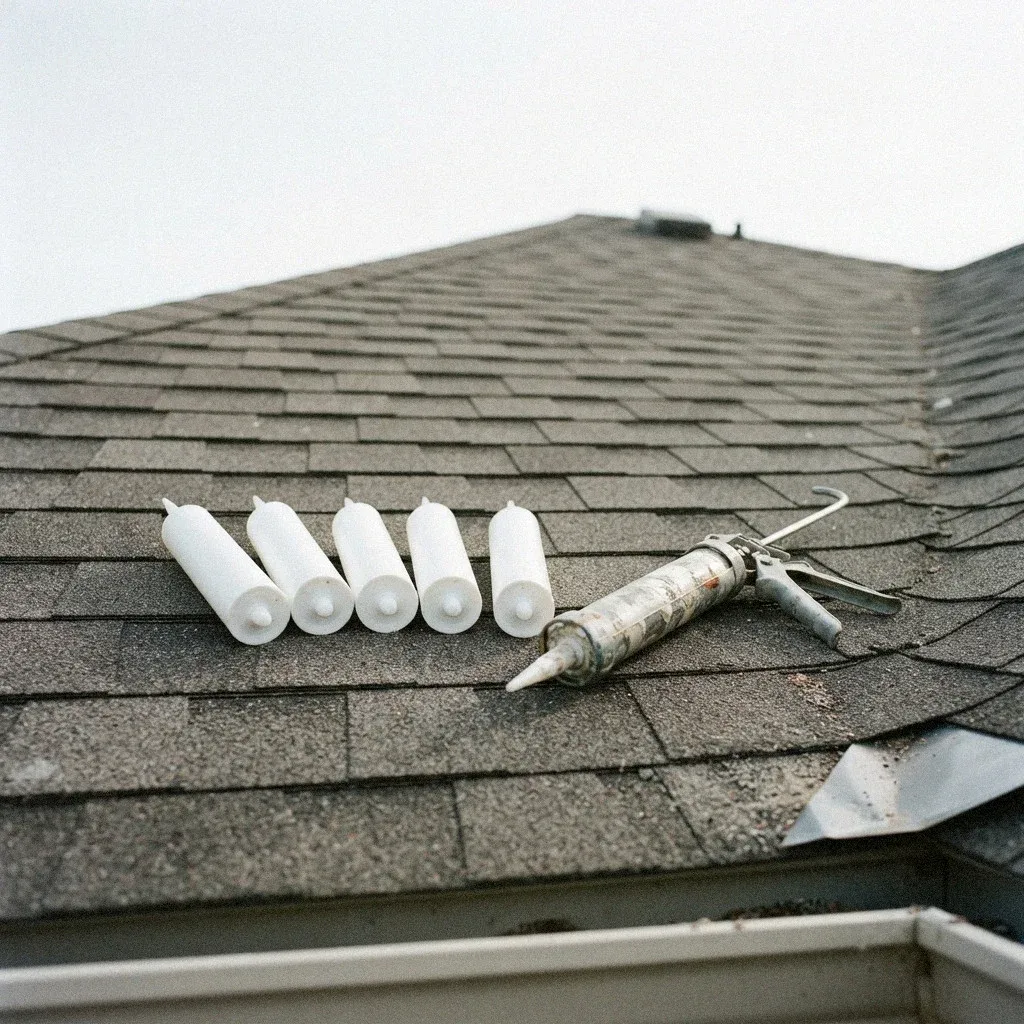
A tune-up follows a set punch list rather than a loose walk-around. Sealant renewal comes first, then pipe boot replacement and roof cement work at flashing joints. Exposed fastener re-seal, ridge cap re-nail, and lifted shingle re-set fill out the rest. On an older Dundee or Benson bungalow, each item matters more, since freeze-thaw swings work every joint loose a little each winter.
Pipe Boot Replacement
That collar fits around a plumbing vent where it passes through the roof deck, and Omaha's freeze-thaw swings crack the rubber gasket faster than most homeowners expect. A tune-up crew checks each one on a maintenance visit and swaps any collar showing cracks, gaps, or stiffened material before it lets water track down into the attic. Left alone through another Douglas County winter, that small gap turns into a stained ceiling below.
Exposed Fastener Re-Seal
Some flashing details and metal trim pieces use exposed fasteners, screws or nails set with a rubber washer right through the surface. Those washers dry out and shrink with repeated freeze-thaw cycling, leaving a small ring around the screw head where water can work its way in. A re-seal means dabbing fresh sealant over each fastener head, not swapping the fastener itself, and it is quick, targeted work.
Flashing Touch-Up And Counterflashing
Flashing routes water around chimneys, sidewalls, and the places where a roof plane meets a wall. A touch-up means resecuring a piece that has lifted at a seam or resealing a counterflashing edge where it tucks into brick or siding, not tearing out and replacing the whole run. Homes in older parts of Omaha, like Field Club or Gifford Park, often carry original chimney flashing that needs this kind of attention on a regular cycle.
Ridge Cap Re-Nail
The ridge cap shingles running along the peak take more direct wind than any other part of the roof, and Omaha's spring wind events put real pressure on that line. A re-nail means driving fasteners back into cap shingles that have started to lift or work loose, using the existing shingle rather than pulling a new one. Left alone, a loose ridge cap becomes the first shingle a wind gust actually tears free.
Re-Setting Lifted Shingles
Individual shingles that have curled up at a corner or lifted along one edge get reset with a dab of adhesive or a fastener rather than pulled and replaced. This is common after a hail event that has bruised a shingle without cracking it outright, something the licensed pros we connect you with see often after Omaha's spring hail months. Catching a lifted shingle early keeps wind from getting underneath it and tearing it the rest of the way loose.
Debris And Valley Clearing
Valley clearing matters most on homes near Elmwood Park or Memorial Park, where mature tree cover drops leaves and branches into the internal channel where two slopes meet. Debris clearing also covers vent screens and roof-mounted stacks; a blocked vent screen can trap moisture in the attic, which compounds the freeze-thaw stress already working on the shingles above a Benson or Florence roofline.
Vent Screen Check
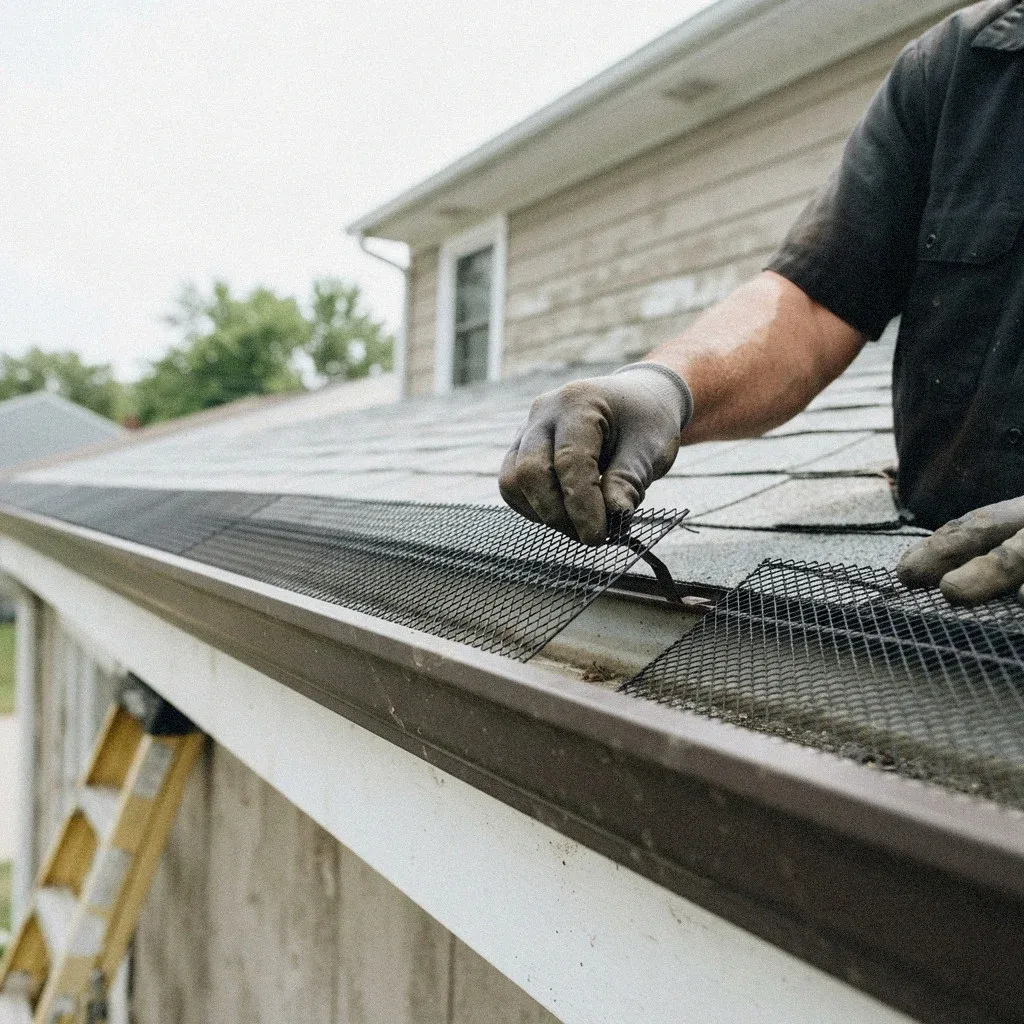
A vent screen check confirms the metal mesh over roof and soffit openings is still intact, since a torn screen lets birds and insects into the attic while an intact one keeps airflow moving as designed. The counterflashing check happens at the same visit, looking at the metal tucked into brick or siding above a lower roof section, since that joint moves with the house and can pull open a little more each year.
What The Punch List Assumes
Every item on a maintenance punch list, from sealant renewal to a ridge cap re-nail, assumes the roof deck and framing underneath are sound. The whole visit is built around fixing wear on the surface, not correcting a structural problem hiding beneath it. That assumption holds on most Omaha roofs getting regular attention, but it is worth knowing where the list stops applying before a visit even starts.
Where The List Has Limits
A scope exclusion marks where a maintenance visit stops. Rotted decking, a chimney that needs rebuilding, or a flashing run that has to come off in full pieces belong to a repair job, not a tune-up. Nebraska Residential Code sets its own footing and structural rules, so once a fix touches the deck or the frame underneath, it moves past what a punch list is built to cover.
When A Tune-Up Stops
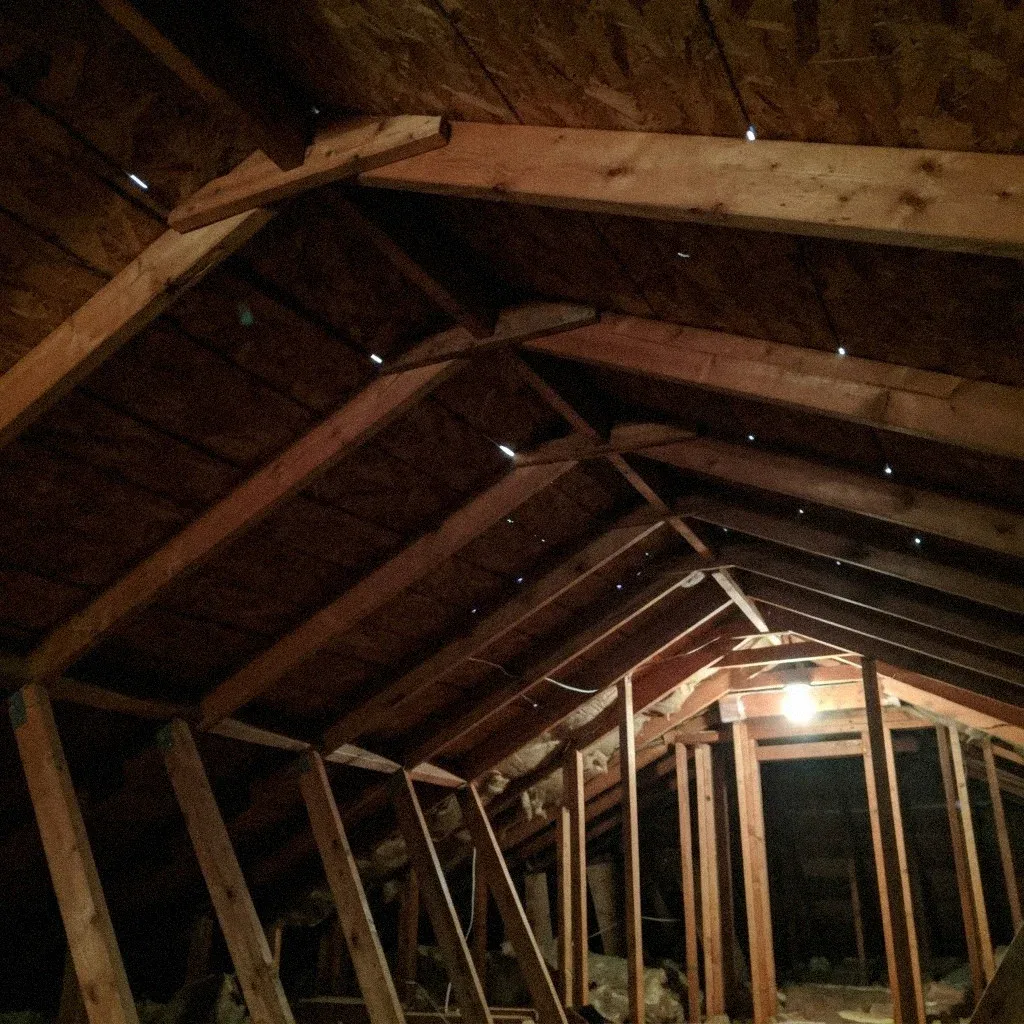
A tune-up stops where the deck itself is in question. If a pro resets a lifted shingle and finds the plywood underneath soft, discolored, or spongy underfoot, that is no longer a punch-list item. The same goes for a pipe boot replacement that reveals rot in the framing around the pipe. At that point the conversation shifts from maintenance to repair, and it is worth knowing that line before assuming a tune-up will cover everything.
Dealing with this in your home?
Omaha roofs fail on their own timeline. Dundee and Benson still have prewar homes with basements below, where a clogged gutter means water finding its way down, not just across. Blocks near Elkhorn or Millard face the same April hail but newer decking. Same city, same spring, different repair.