Maintenance
Storm Chasers Working Omaha Neighborhoods
After spring hail moves through Omaha, unfamiliar crews often follow, offering fast fixes and faster contracts. Here's what separates a normal knock from a rushed sales pitch.
Read article
Most Omaha roof problems start small: a shingle lost off a Dundee bungalow in an April hailstorm, a slow drip into a Benson basement after the spring thaw. These guides walk through what usually happens next, from Papillion Creek flooding to freeze-thaw cracking flashing near Elmwood Park.
They're for homeowners in Millard comparing insurance-adjuster paperwork against a contractor's bid, and for anyone in Florence or Elkhorn trying to tell a hail bruise from normal shingle wear before hiring the licensed pros we connect you with. The goal is knowing what questions to ask first.
Nothing here is a pitch. It's the same explanation a neighbor near Aksarben Village might give about permit rules through the City of Omaha Planning Department, or why a basement under a Country Club home reacts differently to a bad gutter than a slab ever would.
After spring hail moves through Omaha, unfamiliar crews often follow, offering fast fixes and faster contracts. Here's what separates a normal knock from a rushed sales pitch.
Read article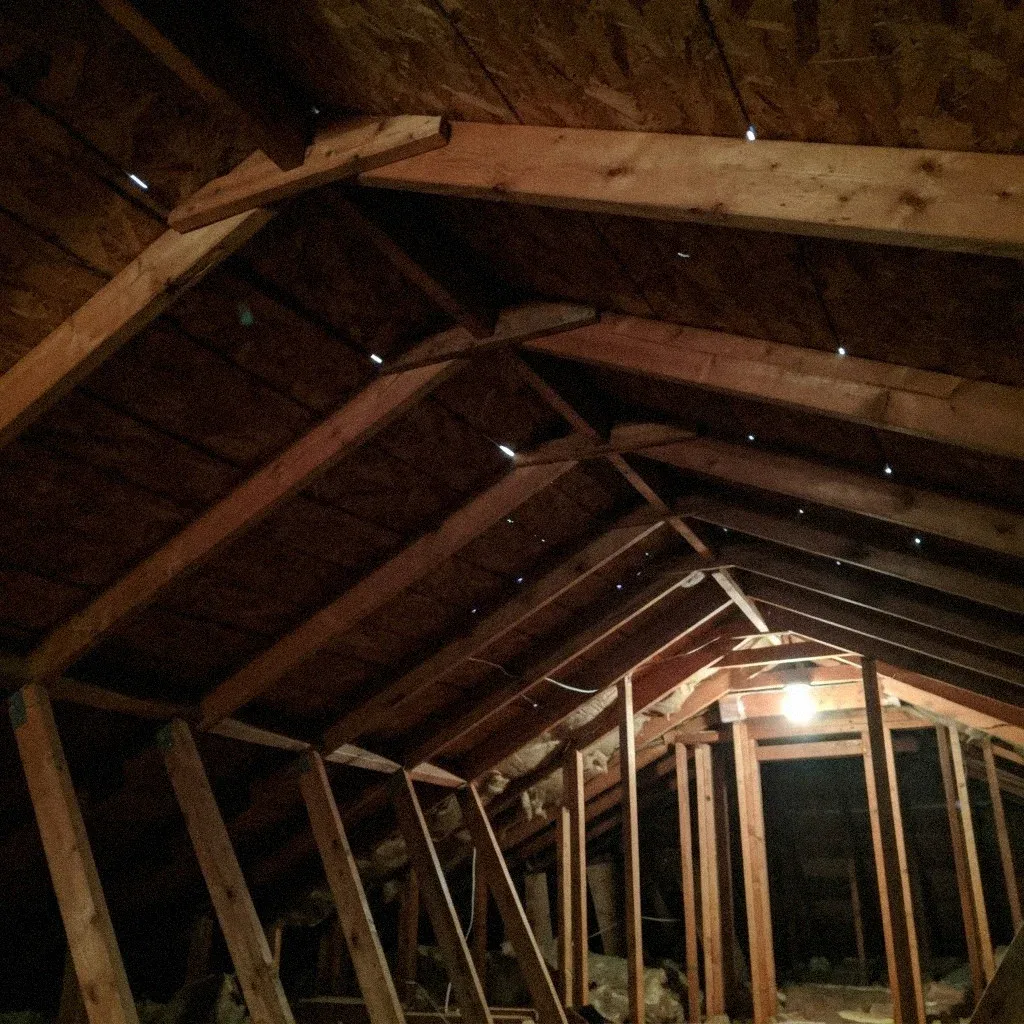
Frost on the sheathing, damp insulation and a musty smell when the hatch opens all point the same way. It is warm air escaping upward from the house, not rain coming down, and the fix is sealing rather than roofing.
Read article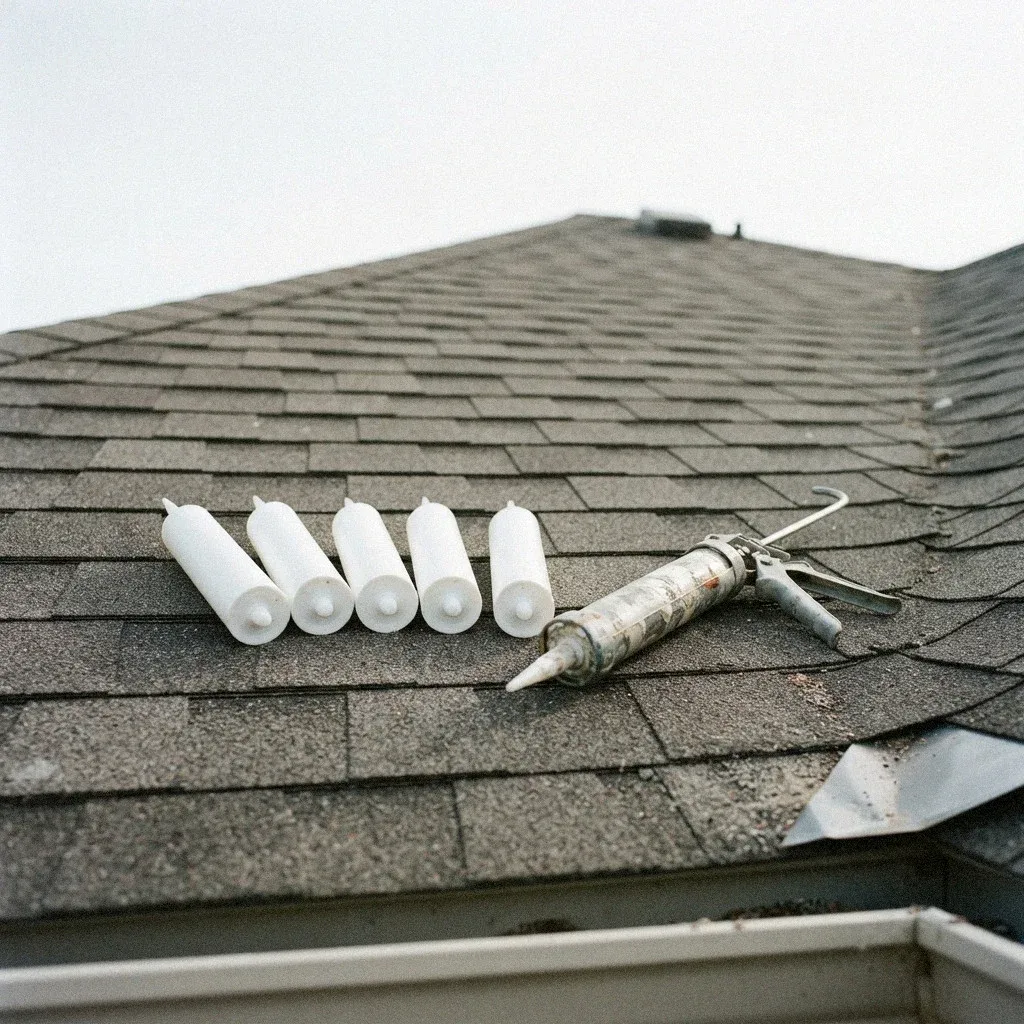
Sealant renewal, pipe boot swaps, ridge cap re-nail, valley clearing: a maintenance visit is a fixed list of small jobs on an Omaha roof, not a vague once-over. Here is what belongs on it, and what does not.
Read article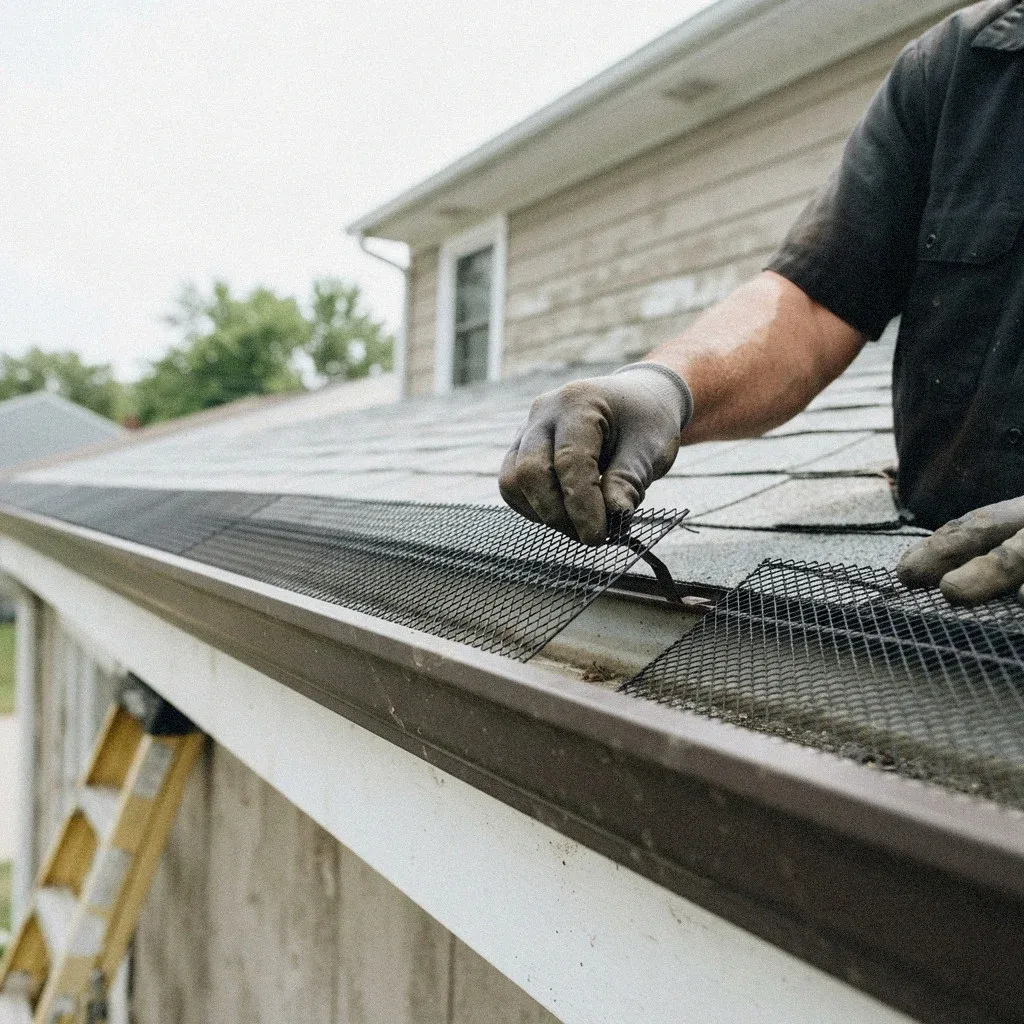
A guard keeps leaves out, but fine grit, blocked outlets, and valley overshoot still build up unseen. Here's what an Omaha homeowner should still check between cleanings, and why the guard alone won't catch it.
Read article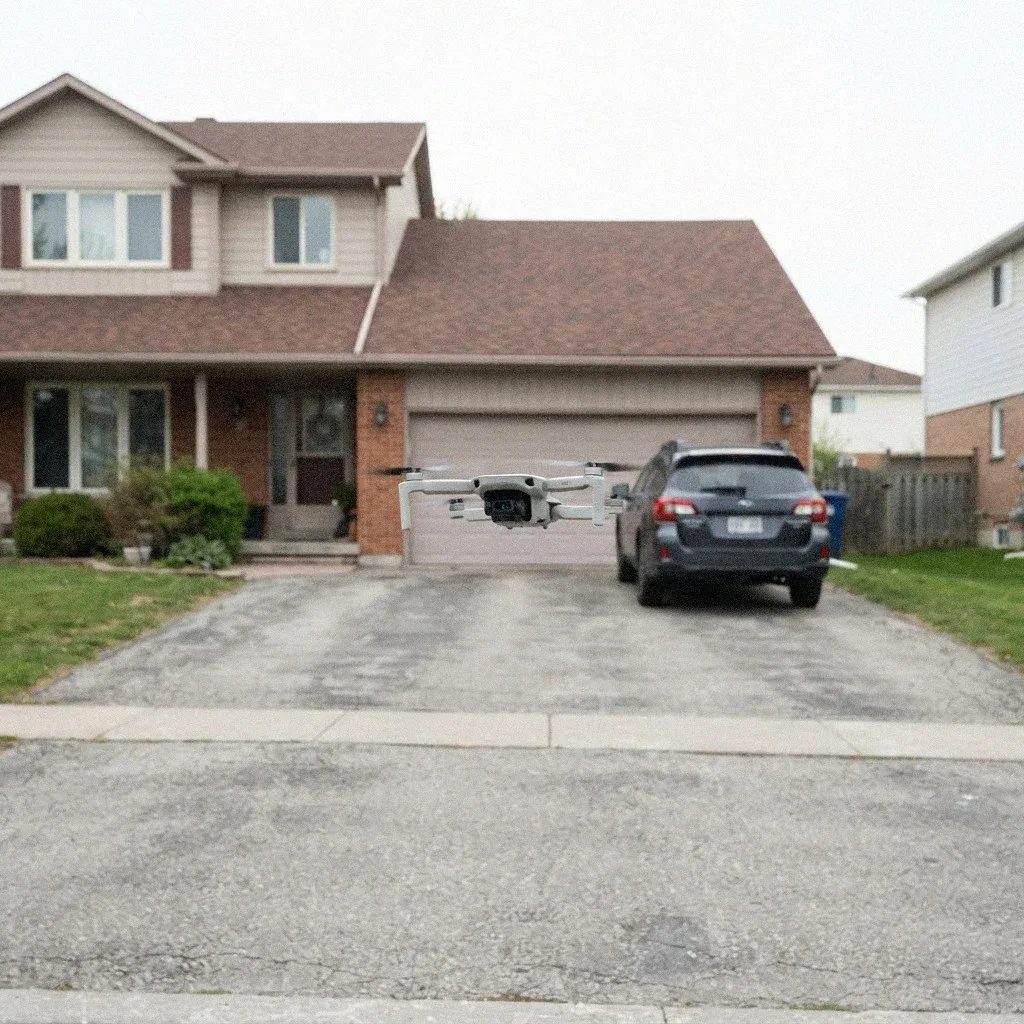
Baseline timing, what pushes it up, and what an Omaha homeowner can spot without a ladder, from Dundee bungalows to newer Elkhorn builds.
Read article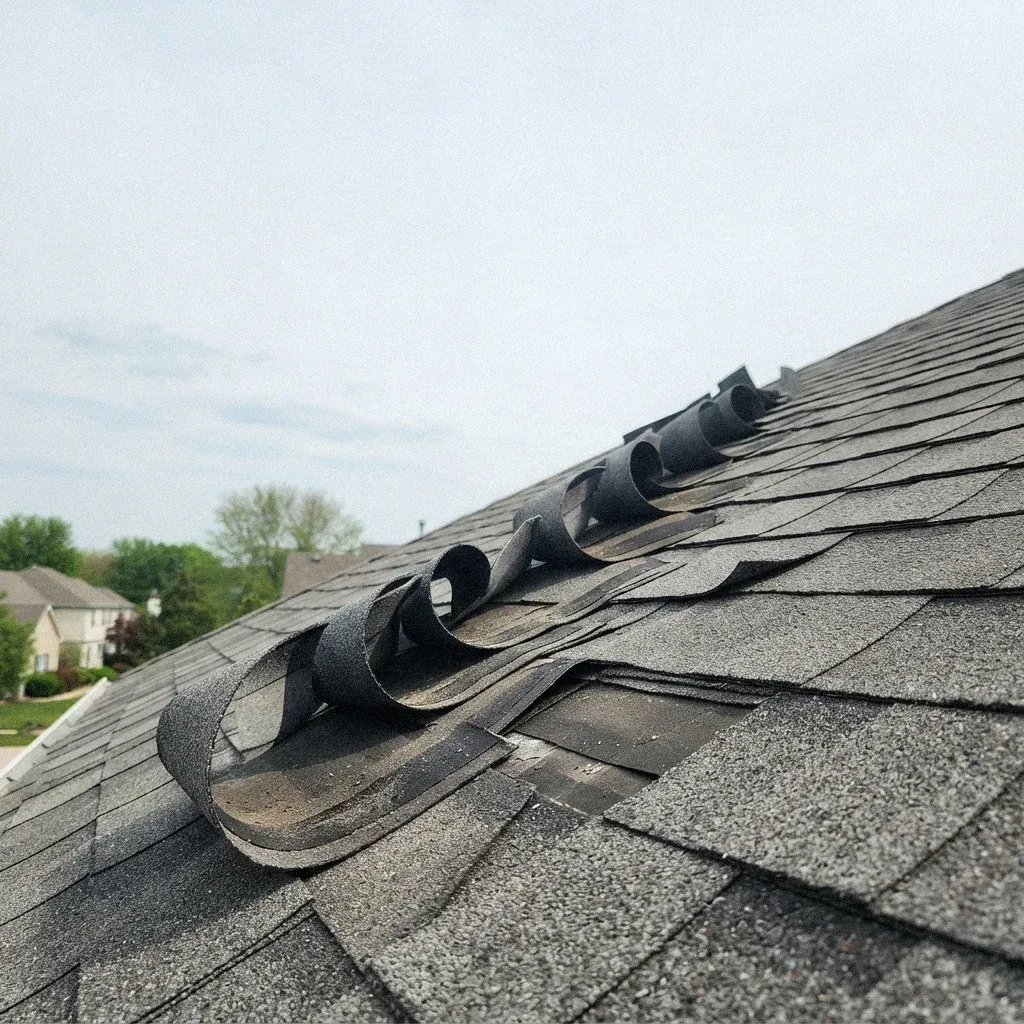
You can, and plenty of Omaha houses change hands that way. What decides whether it costs you is documentation: a written inspection, any hail history, and whether an old claim was ever properly settled.
Read article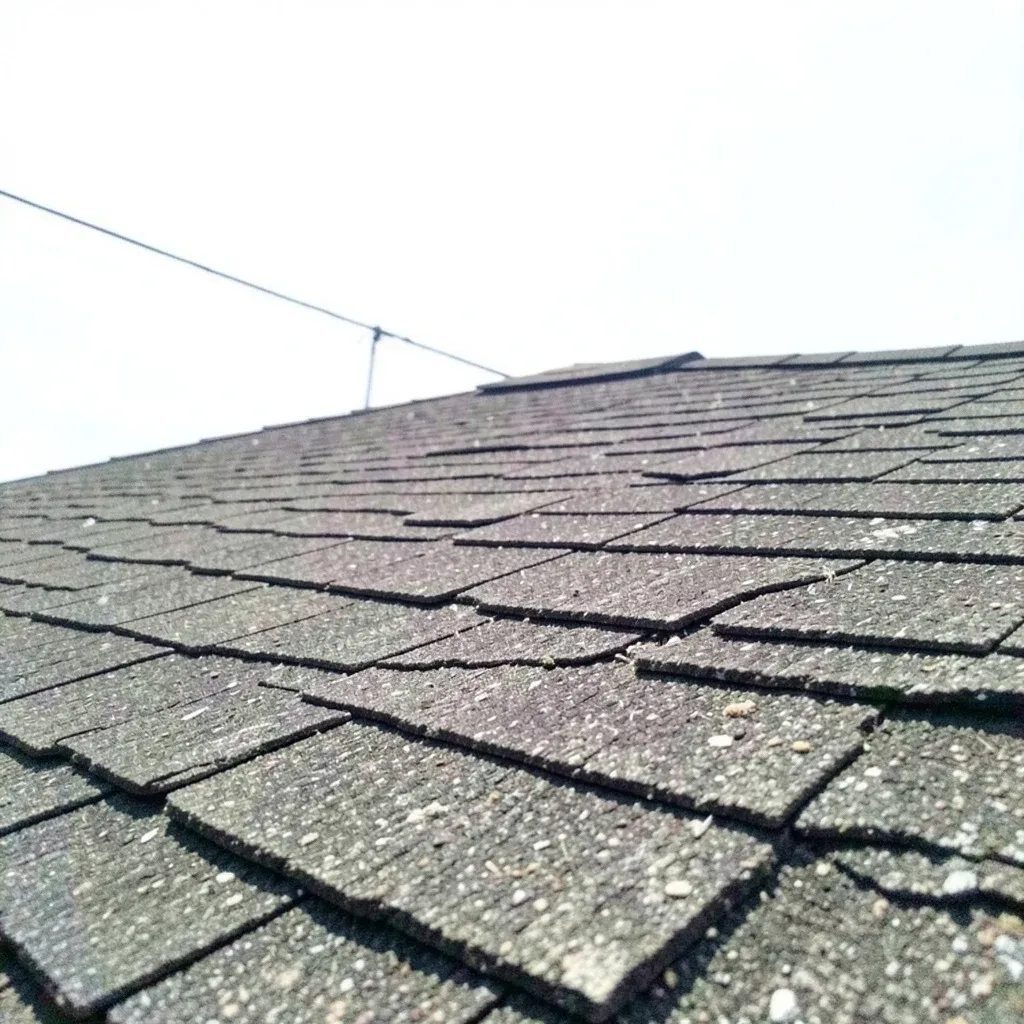
A leaking roof in an Omaha rental raises habitability questions fast. Here's how notice, repair timelines, and tenant remedies work under Nebraska law.
Read article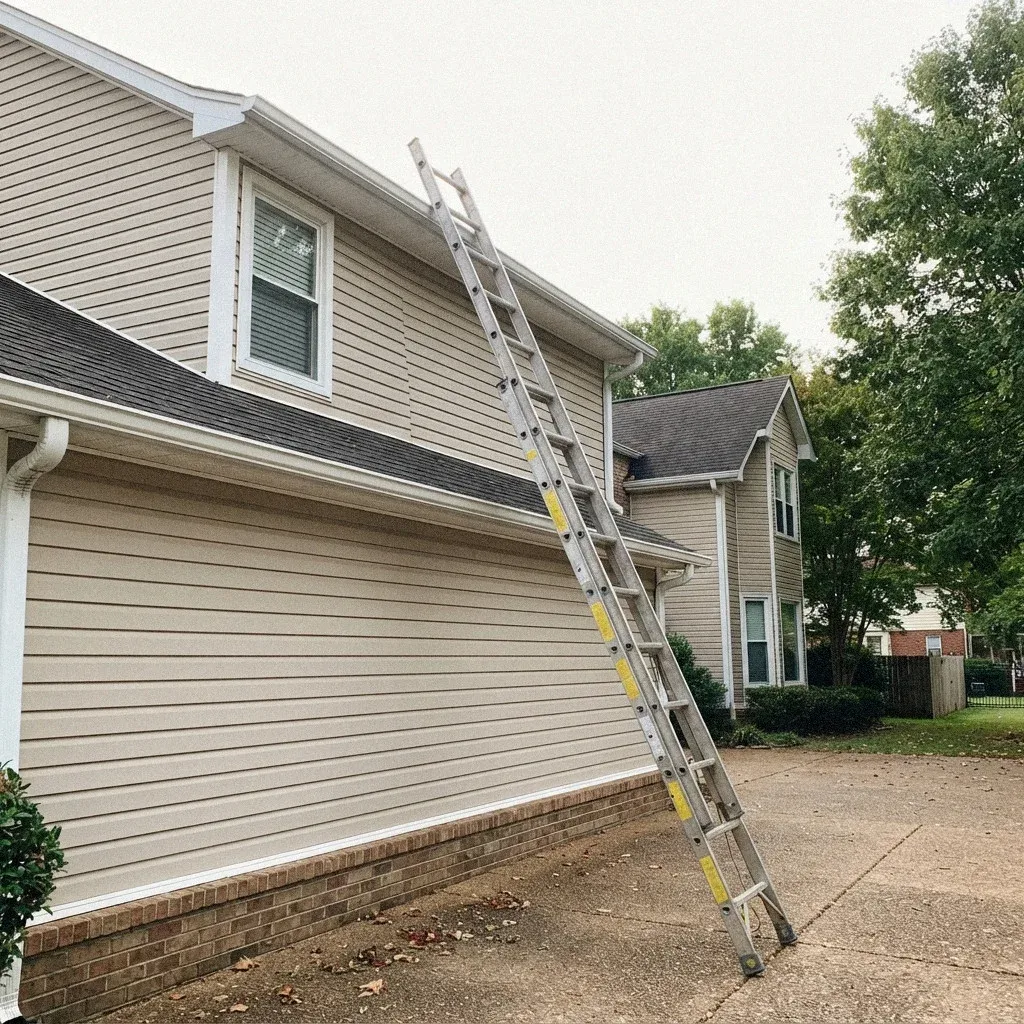
In an Omaha condo or HOA, the roof usually falls under the association's care as a common element, funded through a master policy and reserves. But the declaration and bylaws, not guesswork, decide who actually pays.
Read article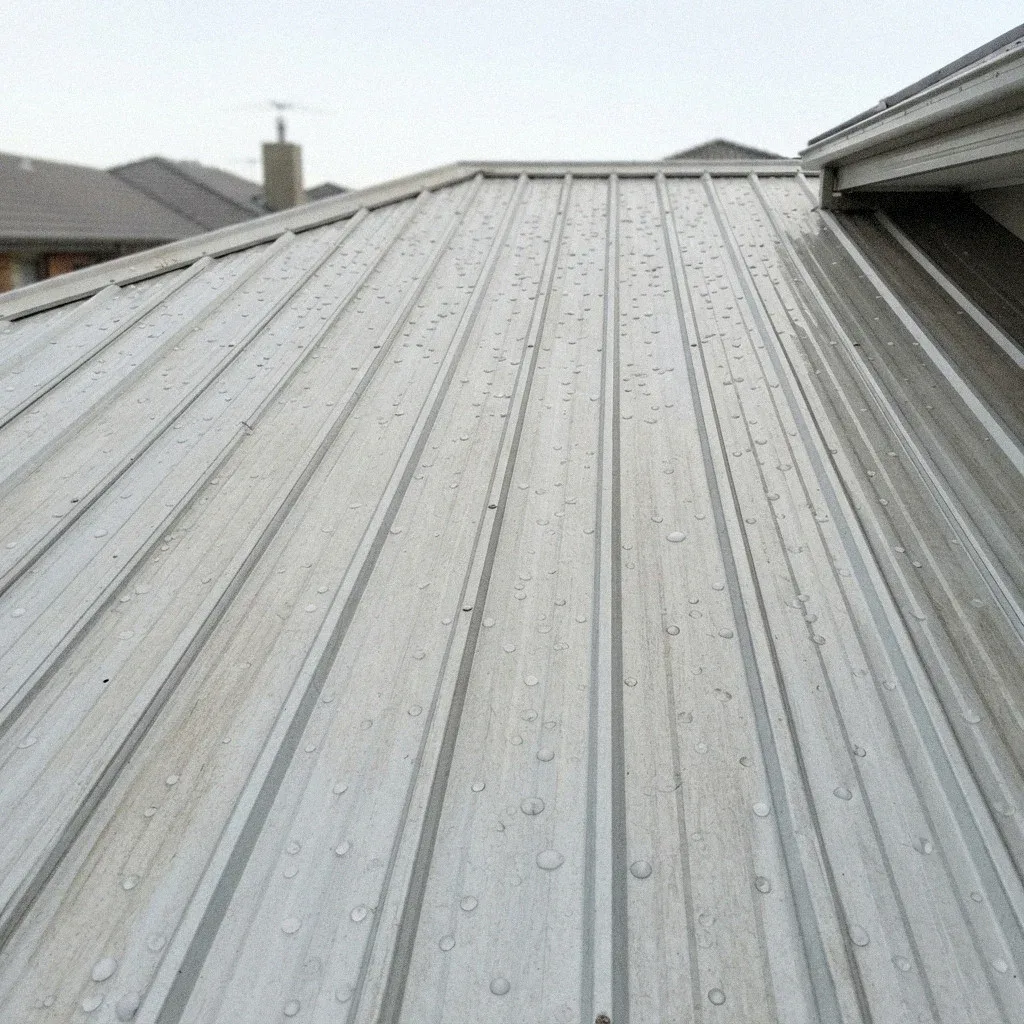
A denial letter on an Omaha roof claim isn't the final word. Here's how reinspection, supplements, and appraisal actually move a stalled claim forward.
Read article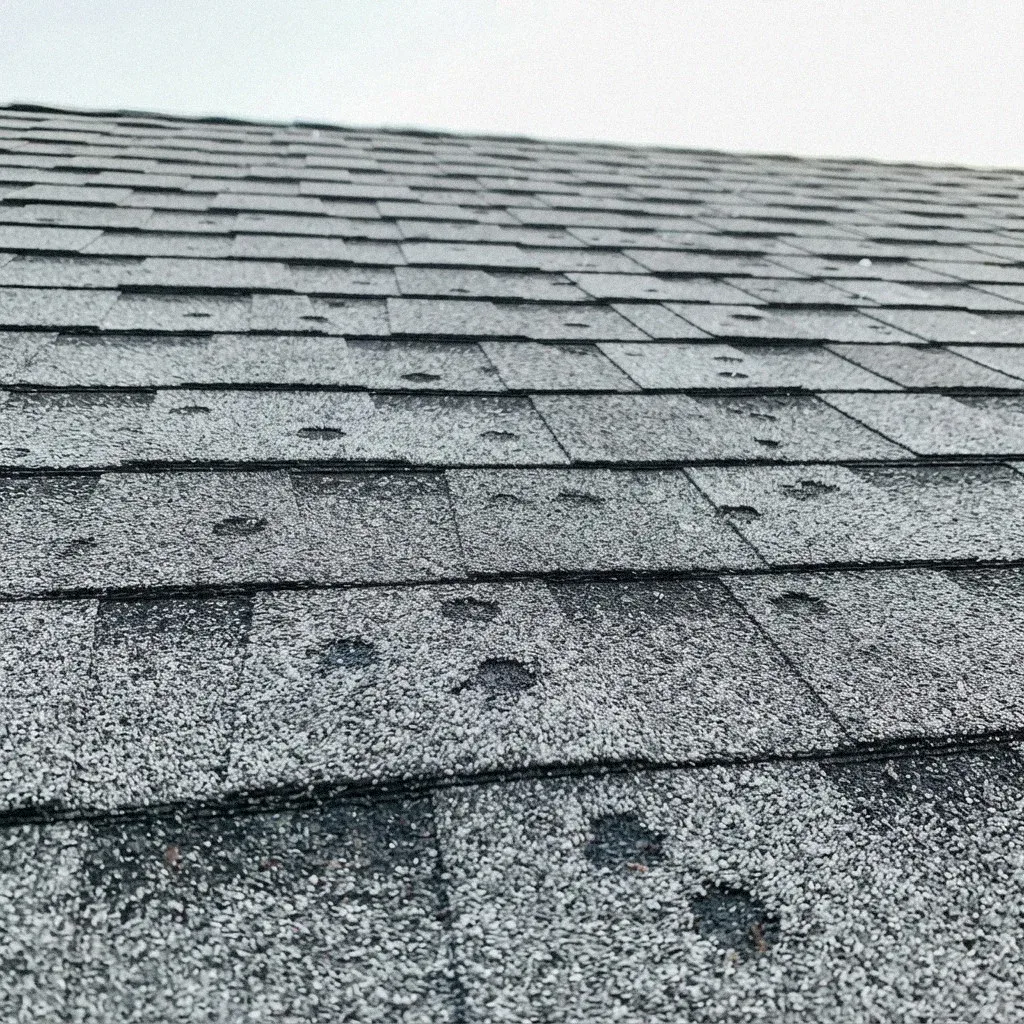
Omaha insurers pay for a sudden covered event, not a roof that simply aged. Here is how the line between the two gets drawn, and what evidence supports each side.
Read article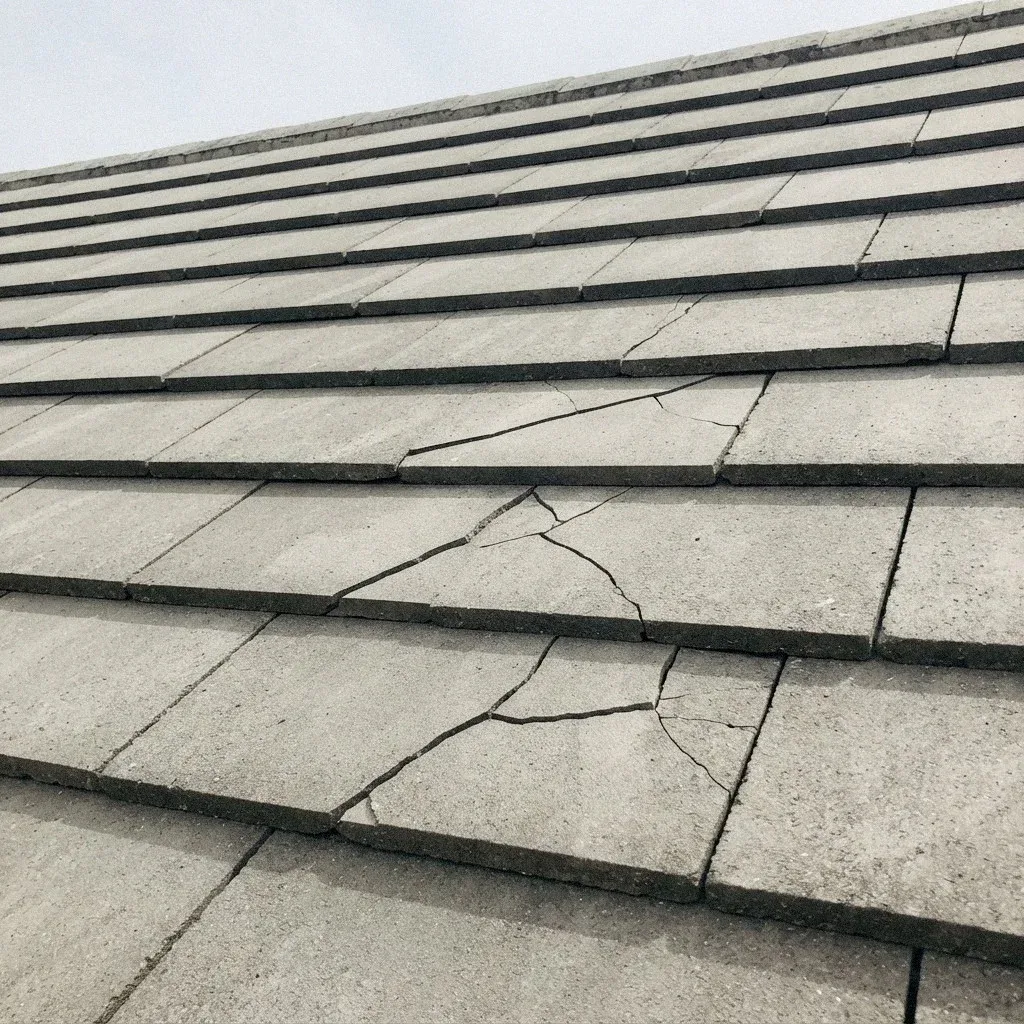
Composite slate and synthetic shake copy the look of stone and cedar in a molded polymer that weighs a fraction as much. What matters here is the impact rating, the warranty behind it, and whether the installed cost earns its premium.
Read article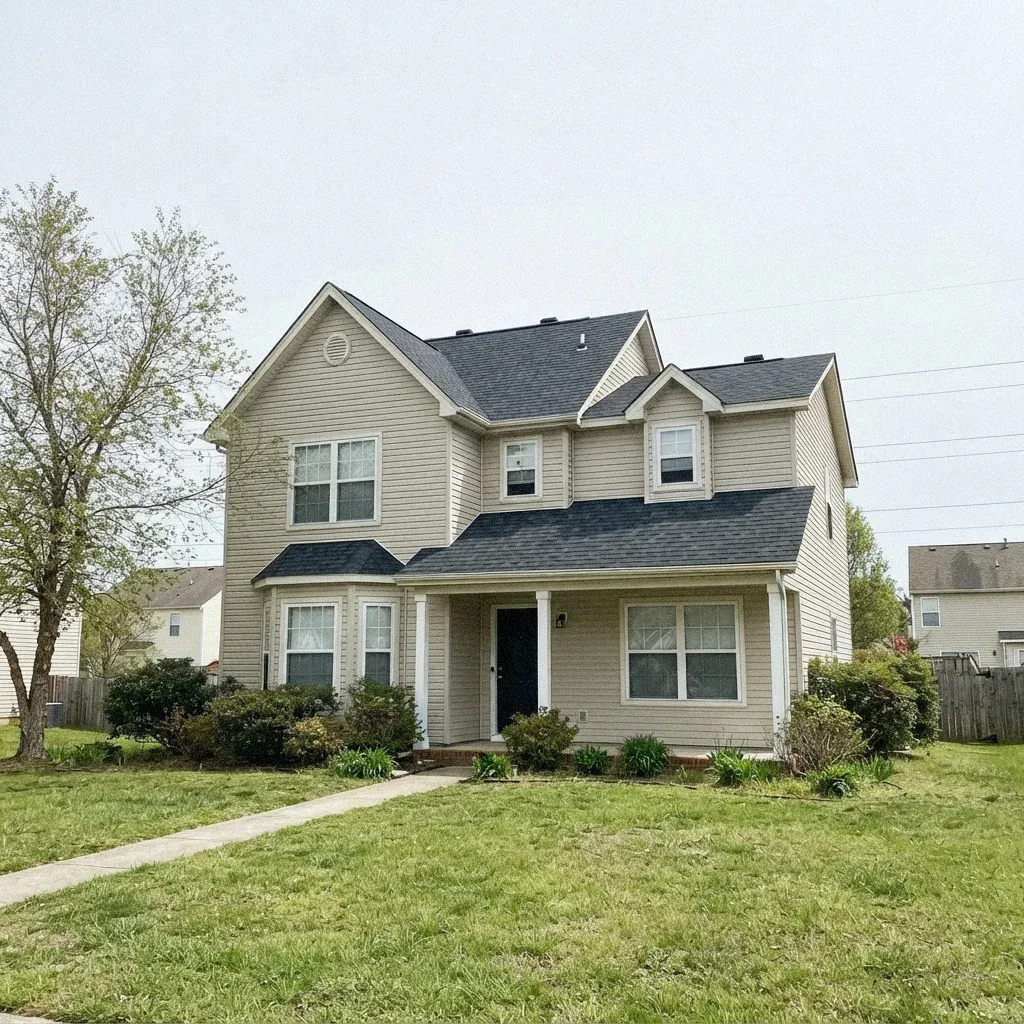
Picking a shingle color is about more than a favorite swatch. This piece covers undertone, contrast level, and why a full-size sample board outdoors tells a homeowner more than any brochure ever will.
Read article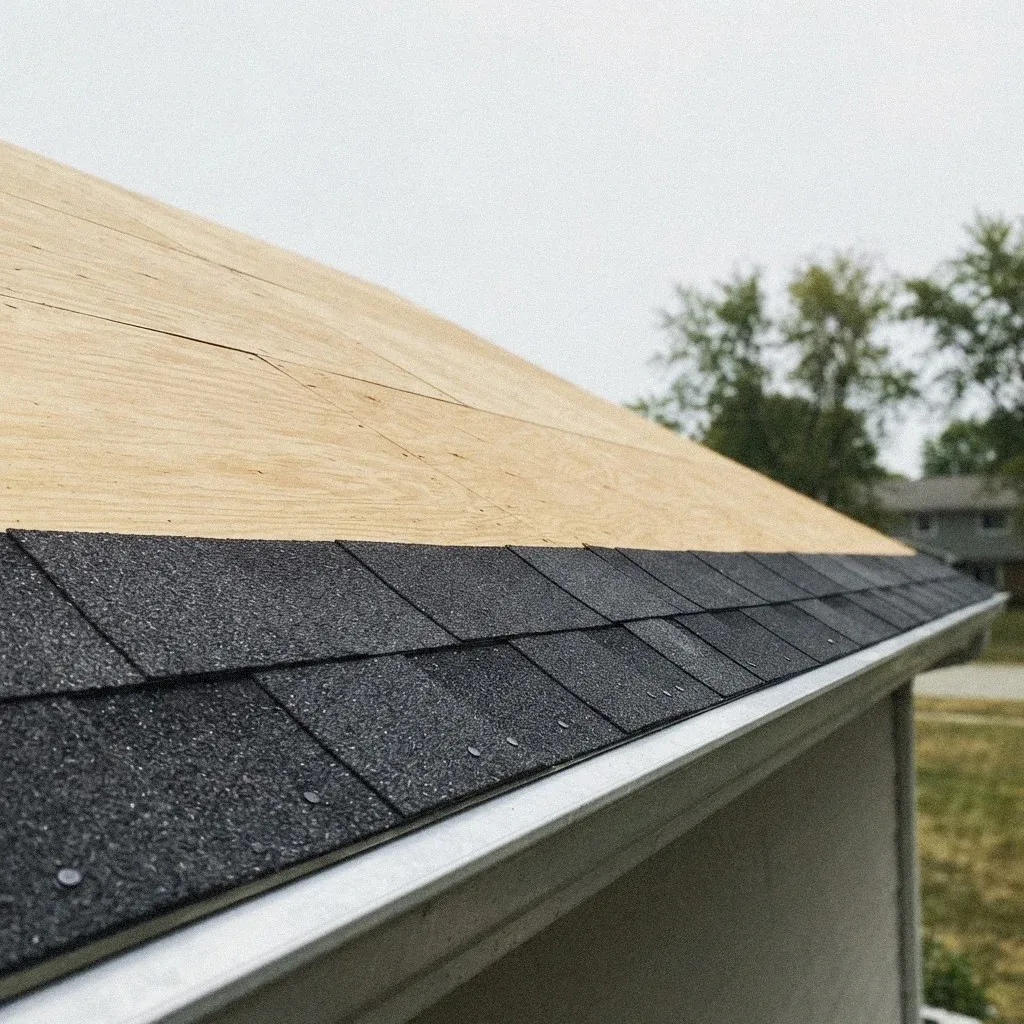
Two shingle types cover most Omaha roofs, and the difference is more than looks. Here is what separates layers, weight, wind rating, and warranty before you decide.
Read article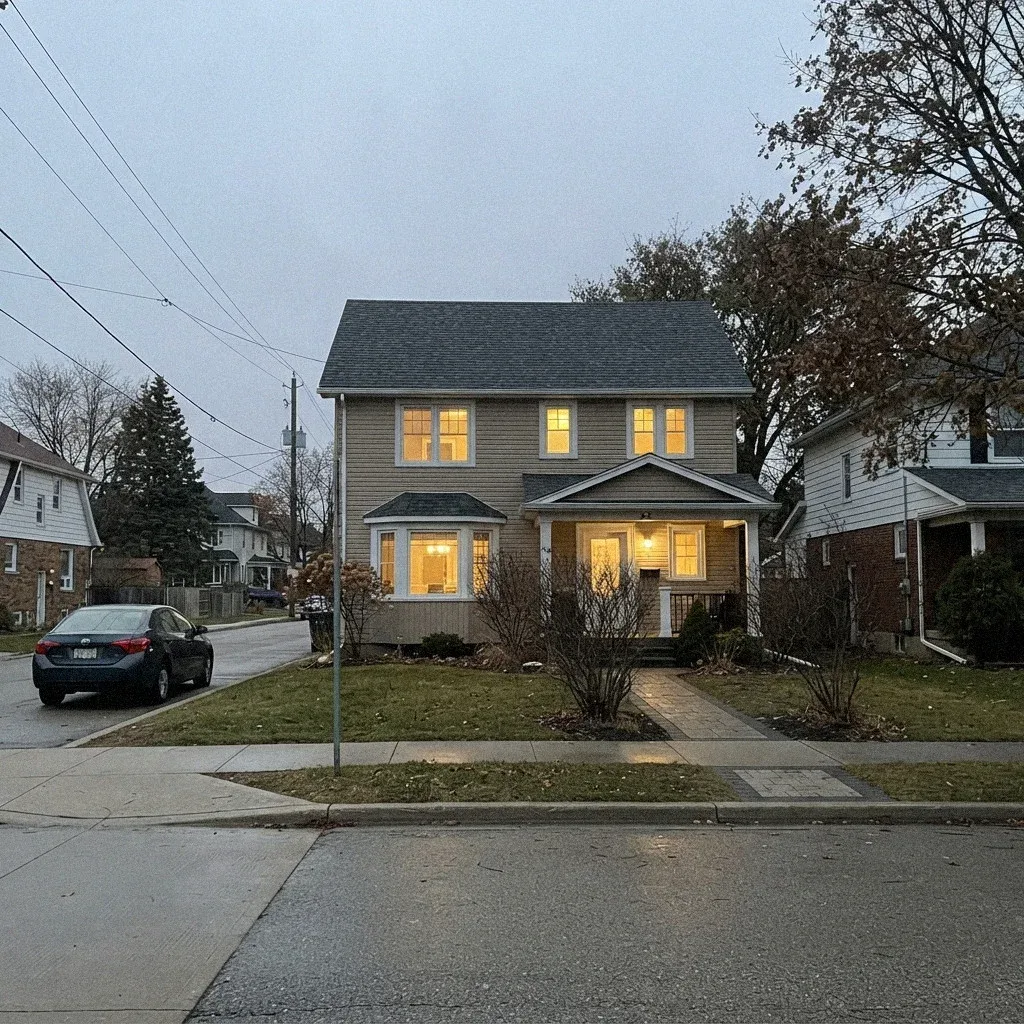
A cedar shake roof asks more upkeep than a shingle roof in Omaha. Here is what shake versus shingle actually means, why grade and exposure matter, and when repair no longer pays off.
Read article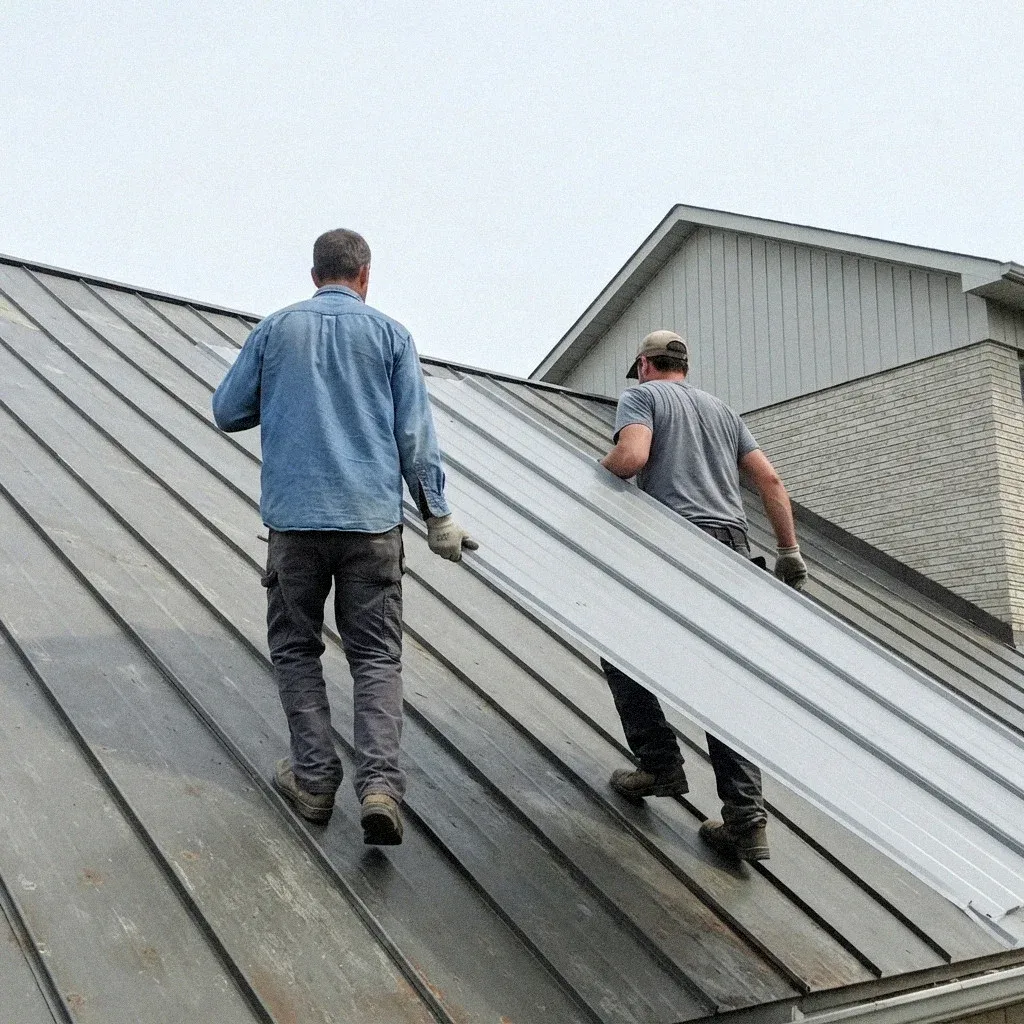
Both are metal and they are not the same product. One hides its fasteners and expands freely; the other is screwed through the face and relies on washers. That single difference drives cost, lifespan and how each one handles Nebraska wind.
Read article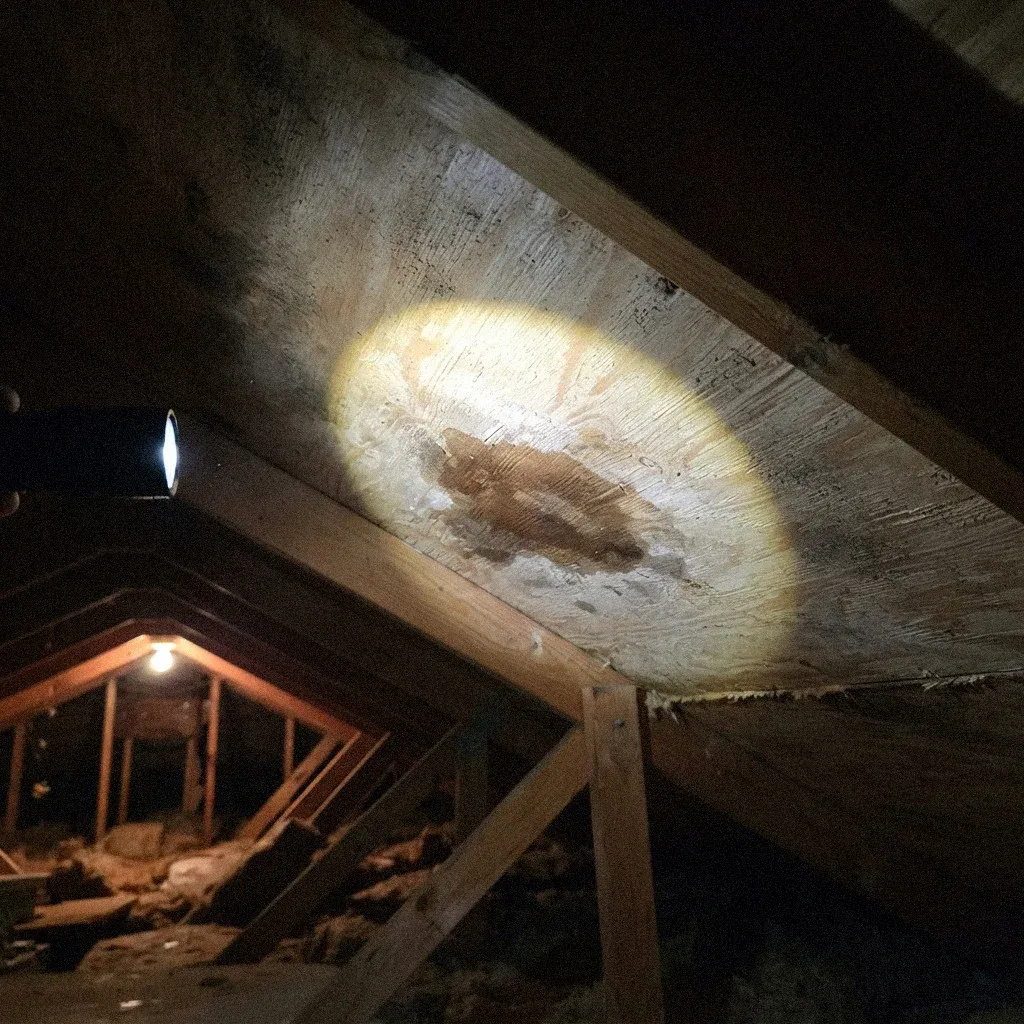
Omaha roofs rarely fail from one hailstorm. Freeze-thaw cycling, shaded valleys, weak flashing, and stale attic air do the real damage, one season at a time.
Read article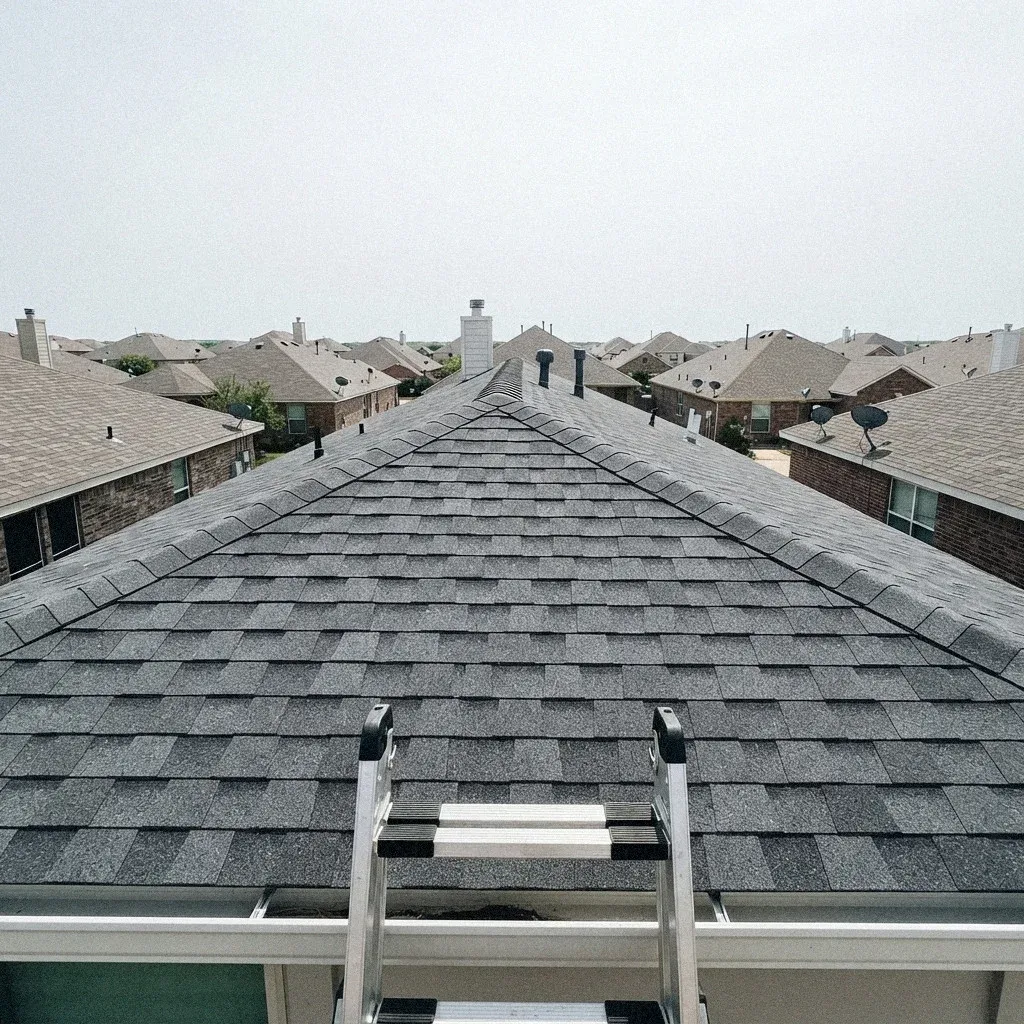
Dry, mild stretches between Omaha's spring hail season and winter freeze-thaw let sealant strips bond properly, which is why timing a reroof matters as much as the materials chosen.
Read article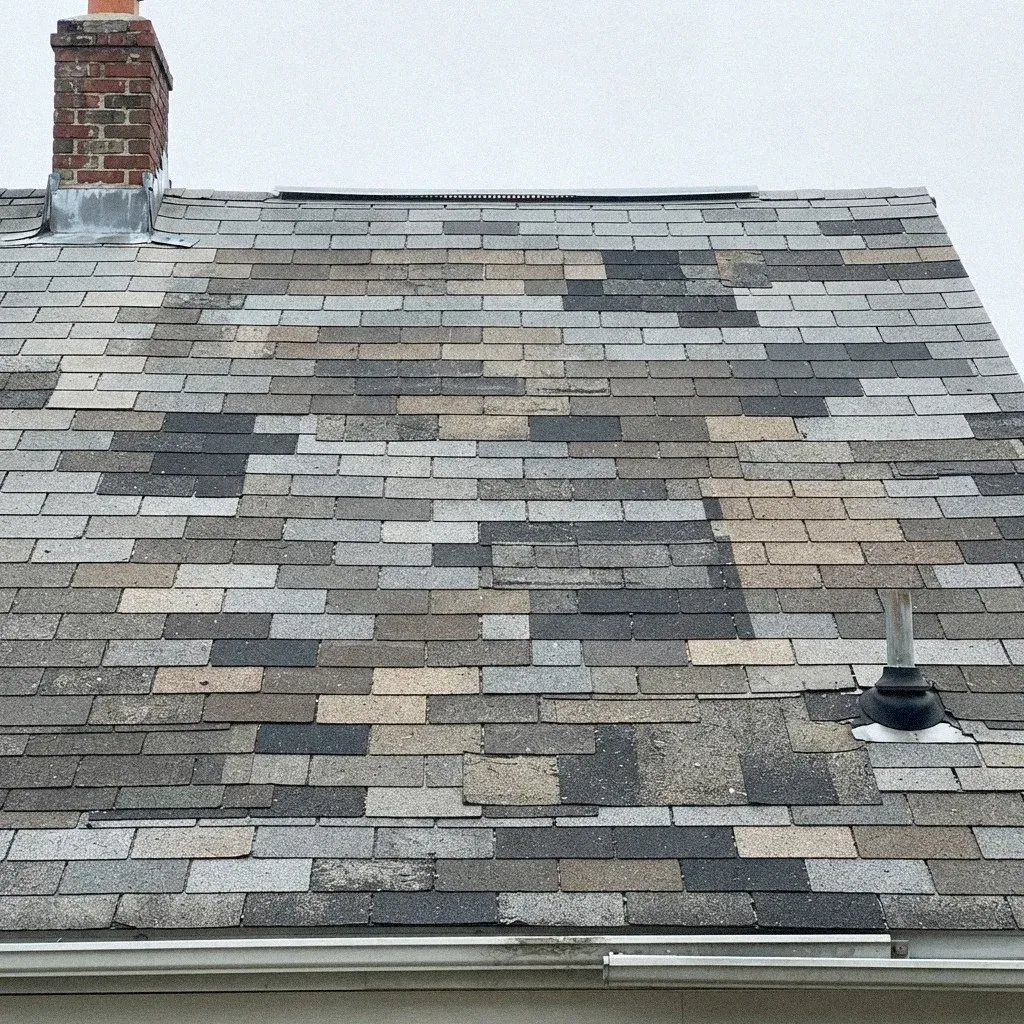
Freeze-thaw cycling leaves marks an Omaha homeowner can find without climbing a ladder. This walkaround covers what to check on the ground and in the attic once the roof finally dries out.
Read article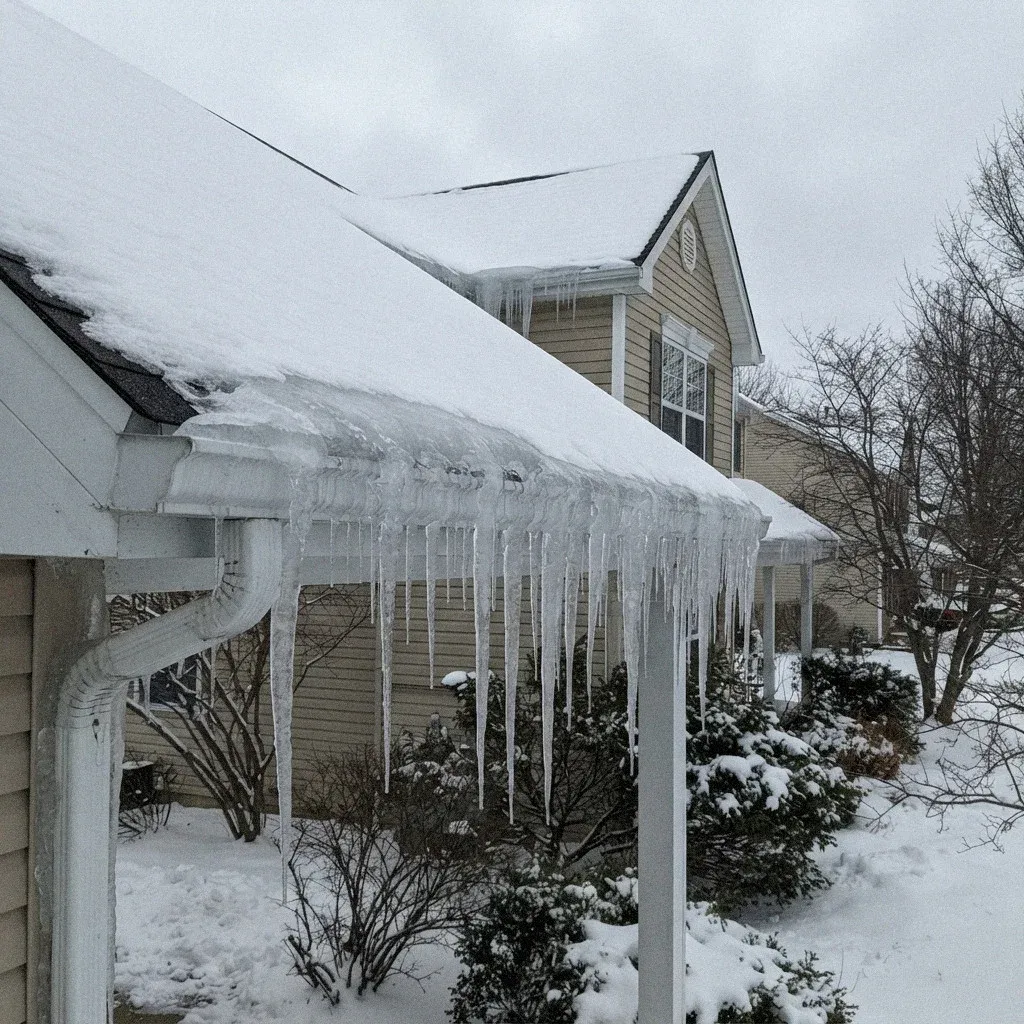
A hard freeze works on an Omaha roof through repeated cycles, not one cold night: cracks widen, boots split, and gutters lock with ice until the thaw shows what's underneath.
Read article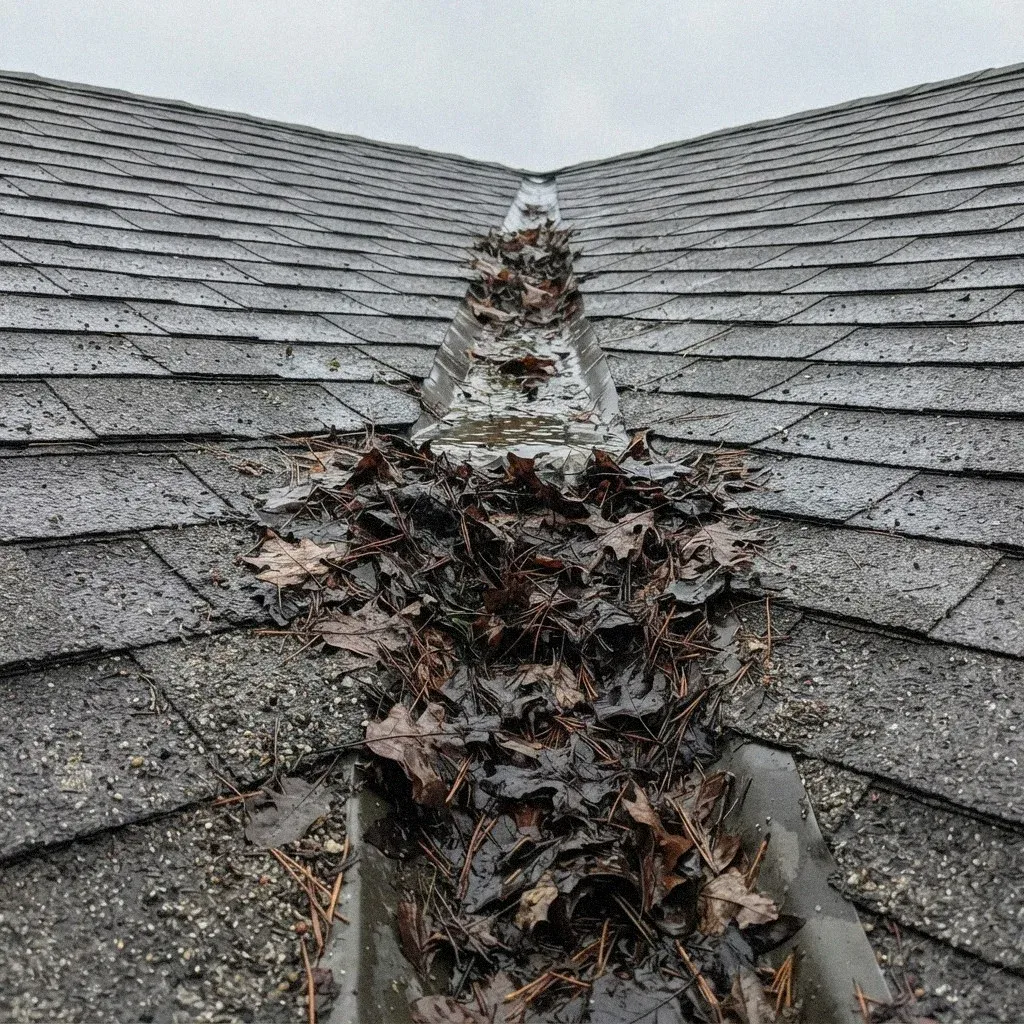
Leaves and cottonwood litter settle into valleys and behind chimneys on Omaha roofs, trapping moisture against the covering through freeze-thaw cycles. Knowing where it collects and how to lift it out without damage matters more than most homeowners realize.
Read article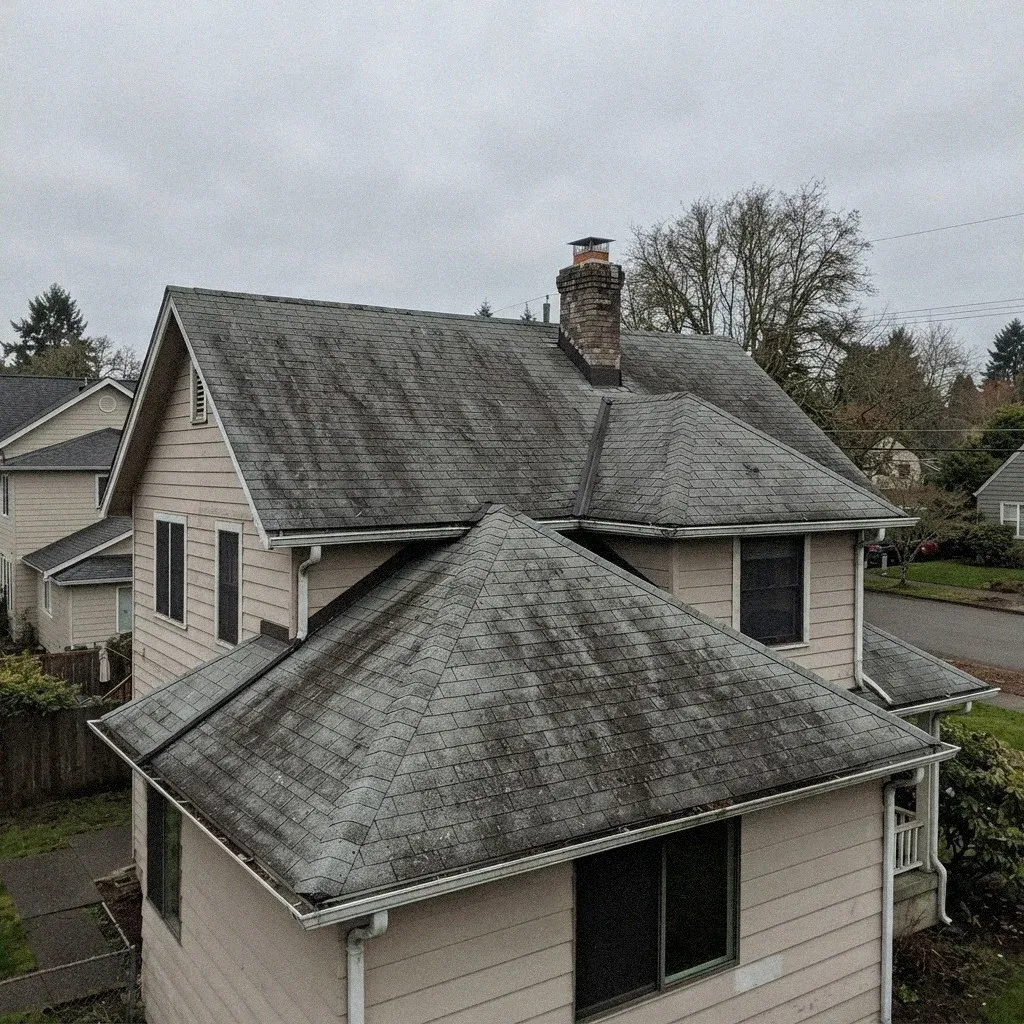
The slope that gets least sun stays damp longest, holds snow and ice further into a thaw, and grows the streaking you notice from the street. On most houses it is the first side to need work.
Read article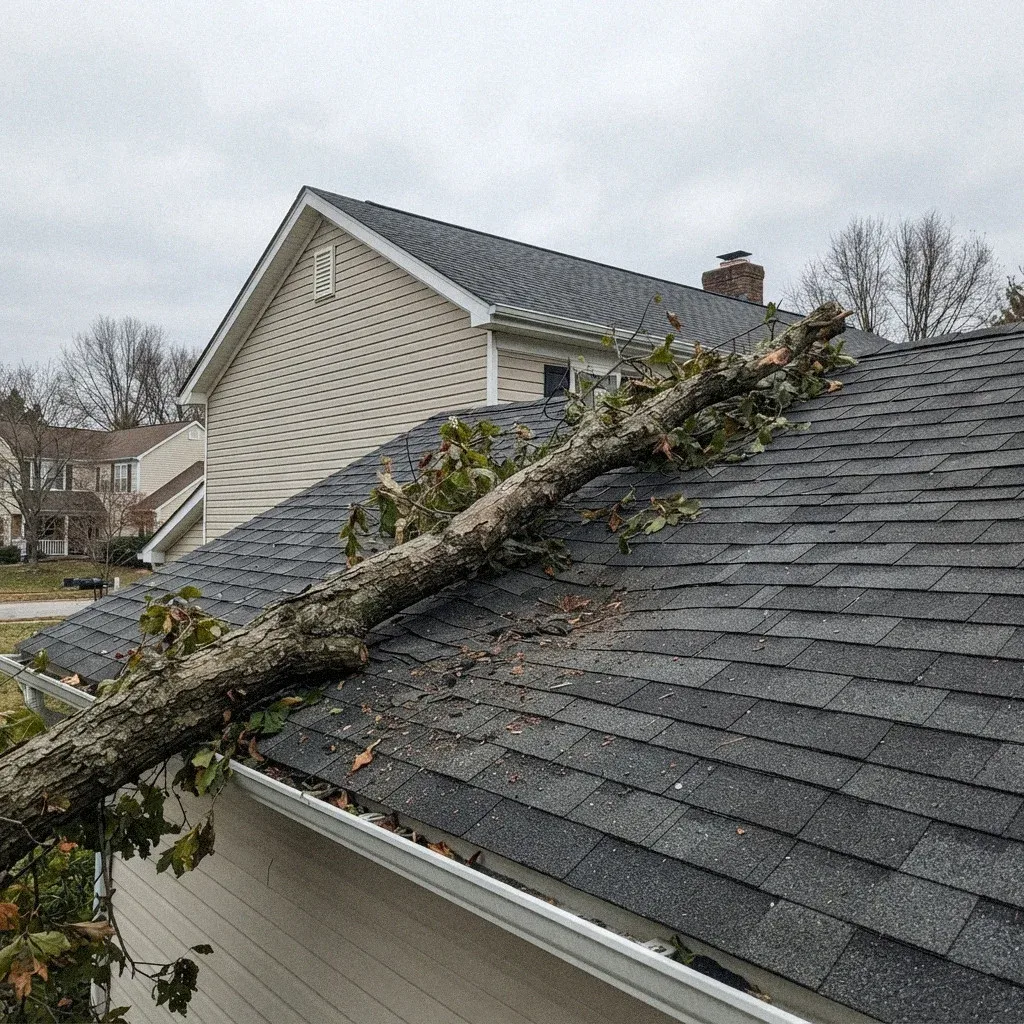
A fall storm doesn't just soak an Omaha roof. Wind grabs the edges, branches come down, gutters lose ground to debris, and rain finds gaps that summer never exposed.
Read article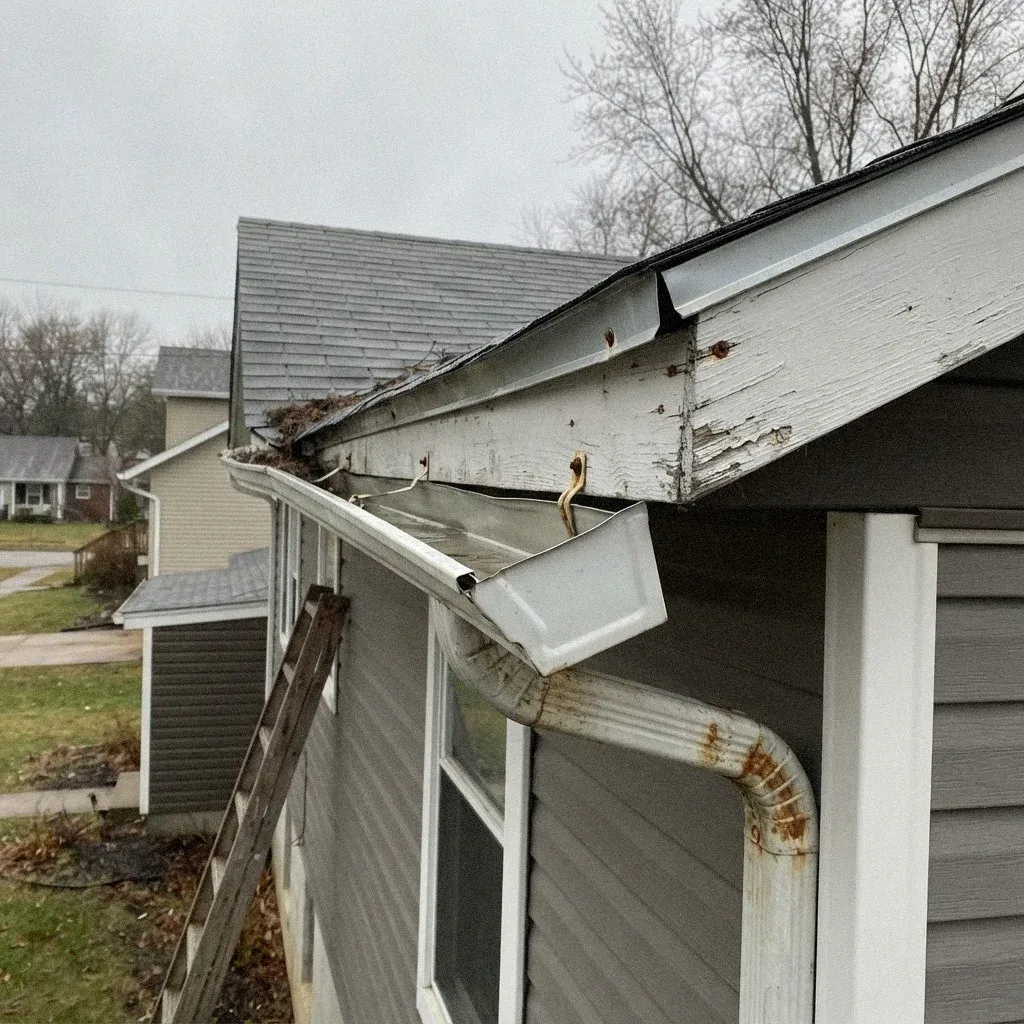
Omaha's spring rain follows the same weeks as hail season, and a roof that sheds water cleanly starts with a short walkaround done in order. This piece lays out what to check first.
Read article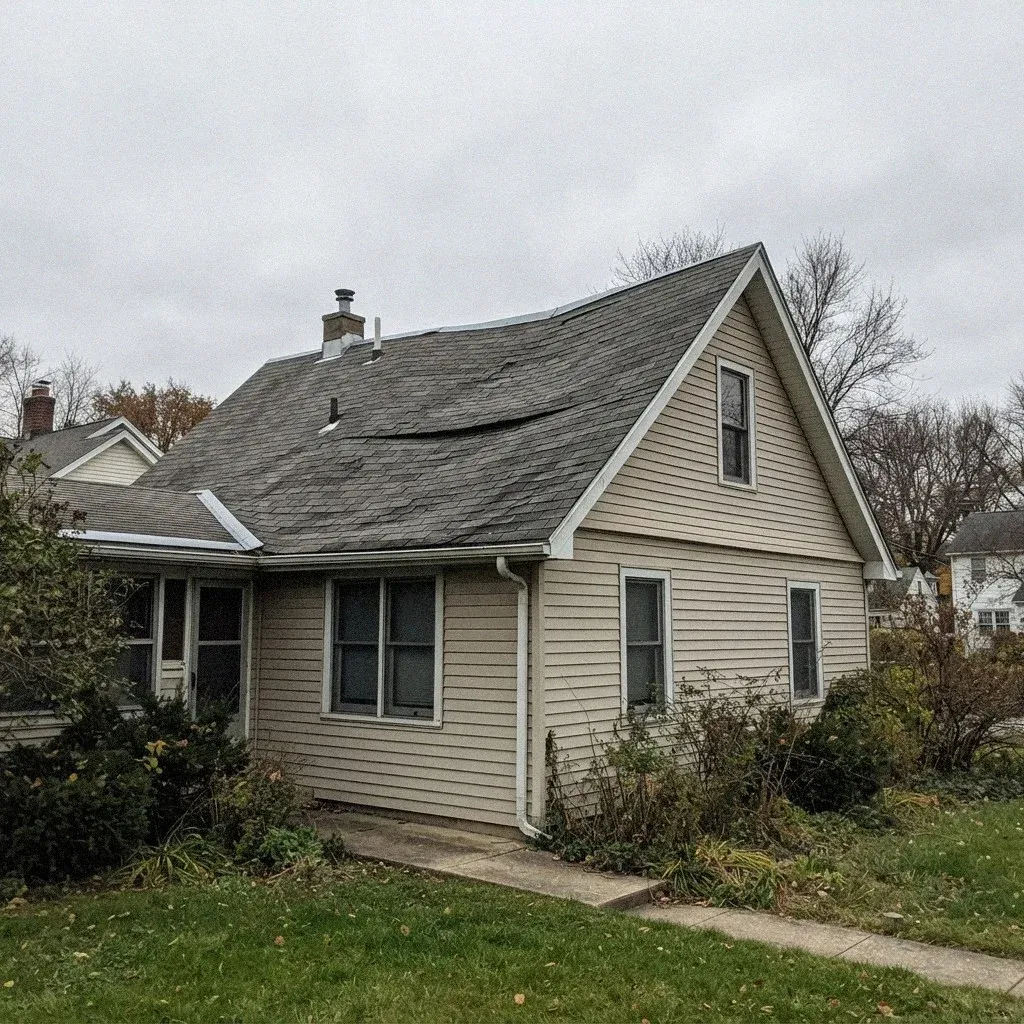
A bowed ridge, a dip in one section, and a rolling wave across the whole roof point to three separate problems. Here is what each shape usually means underneath, and which one to act on first.
Read article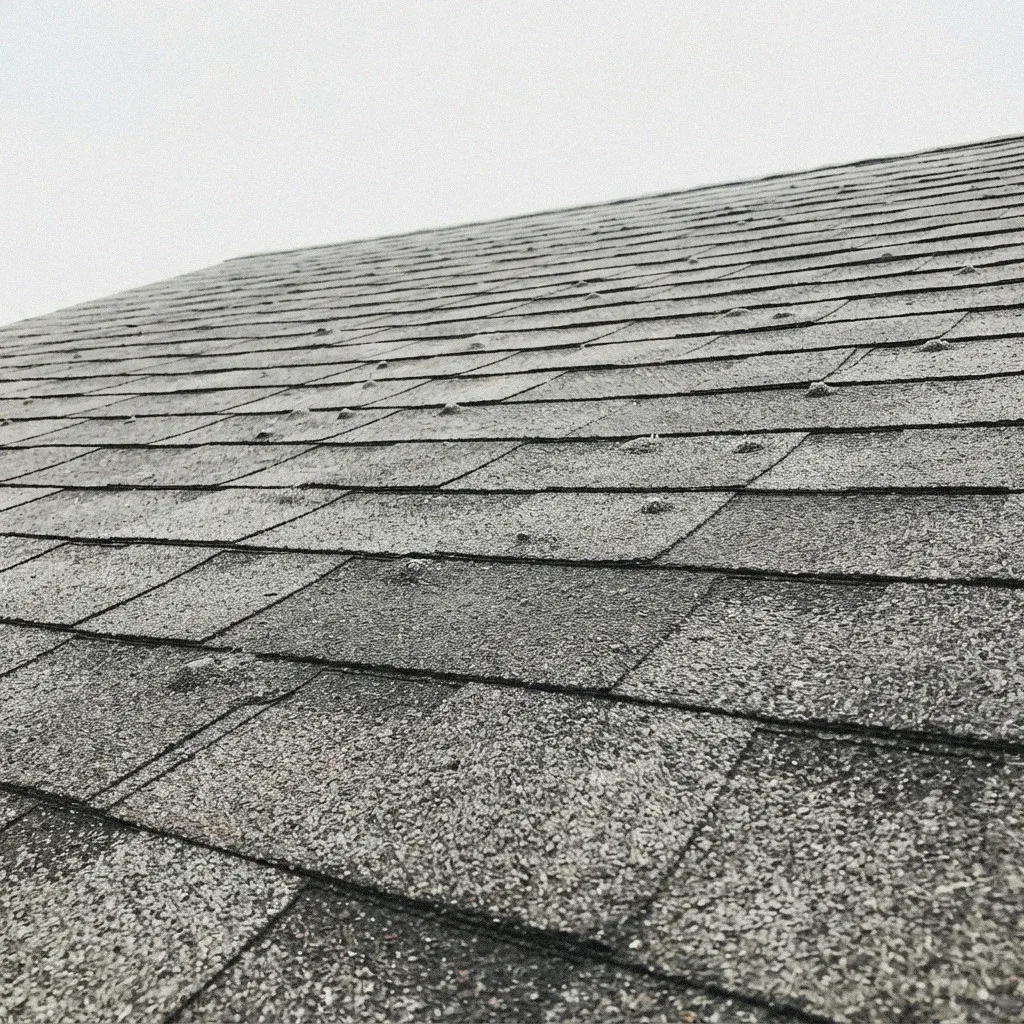
A row of small bumps across a slope means fasteners are backing out as the deck moves with the temperature. Each one is a hole above a shingle lap, which is why they leak long before anything looks broken.
Read article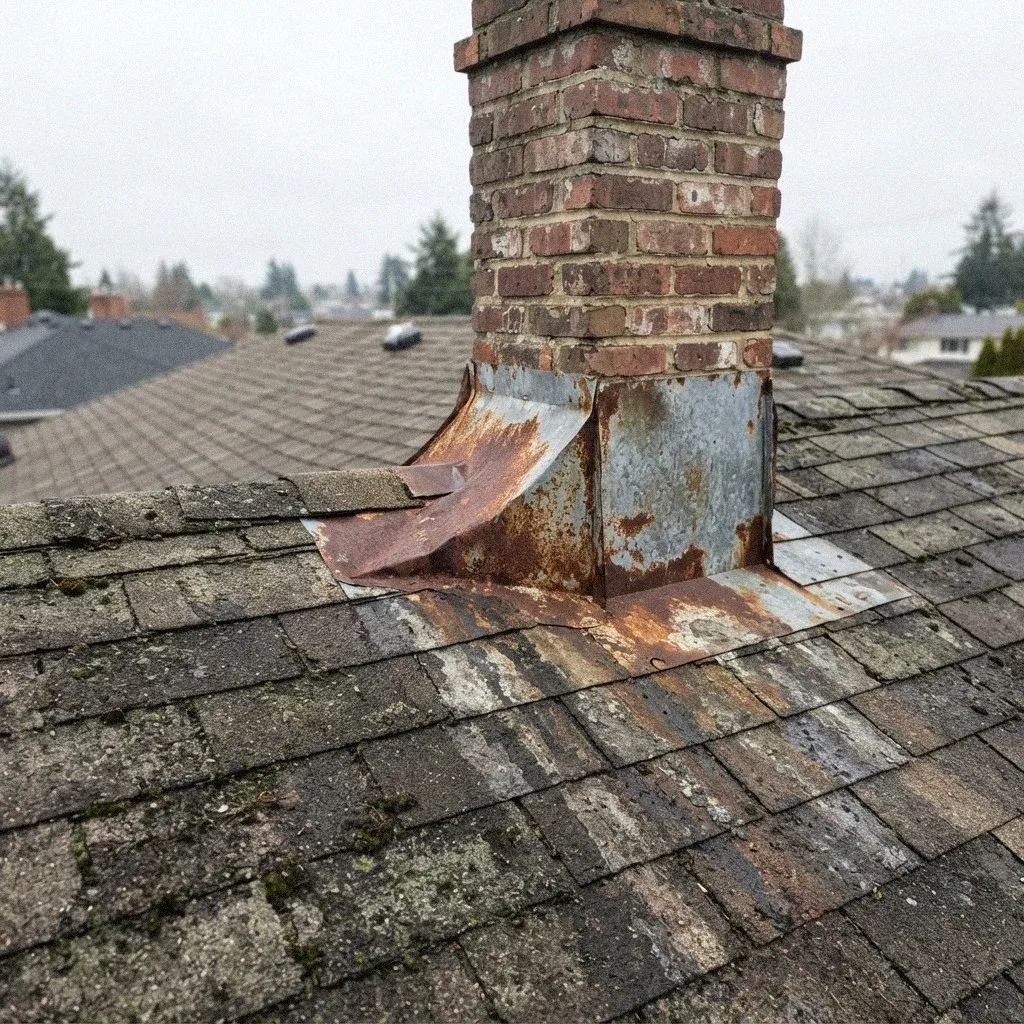
Omaha roof leaks rarely start in an open shingle field. They start at the joints — a pipe boot, a valley, a chimney, a wall line. Here's where to look first.
Read article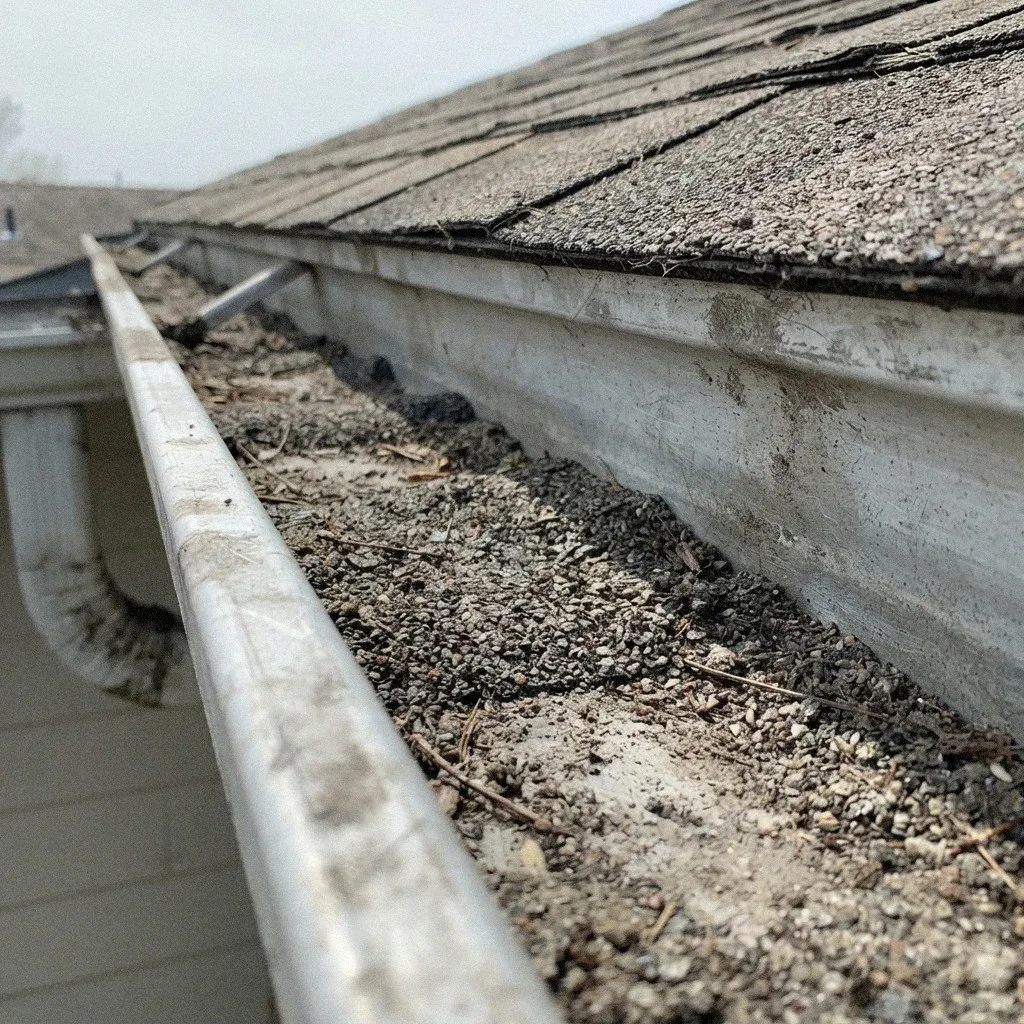
Grit in the downspout is normal on a new roof and a warning on an old one. What separates the two is how much, how suddenly, and whether the shingles above have started to look shiny where the coating has gone.
Read article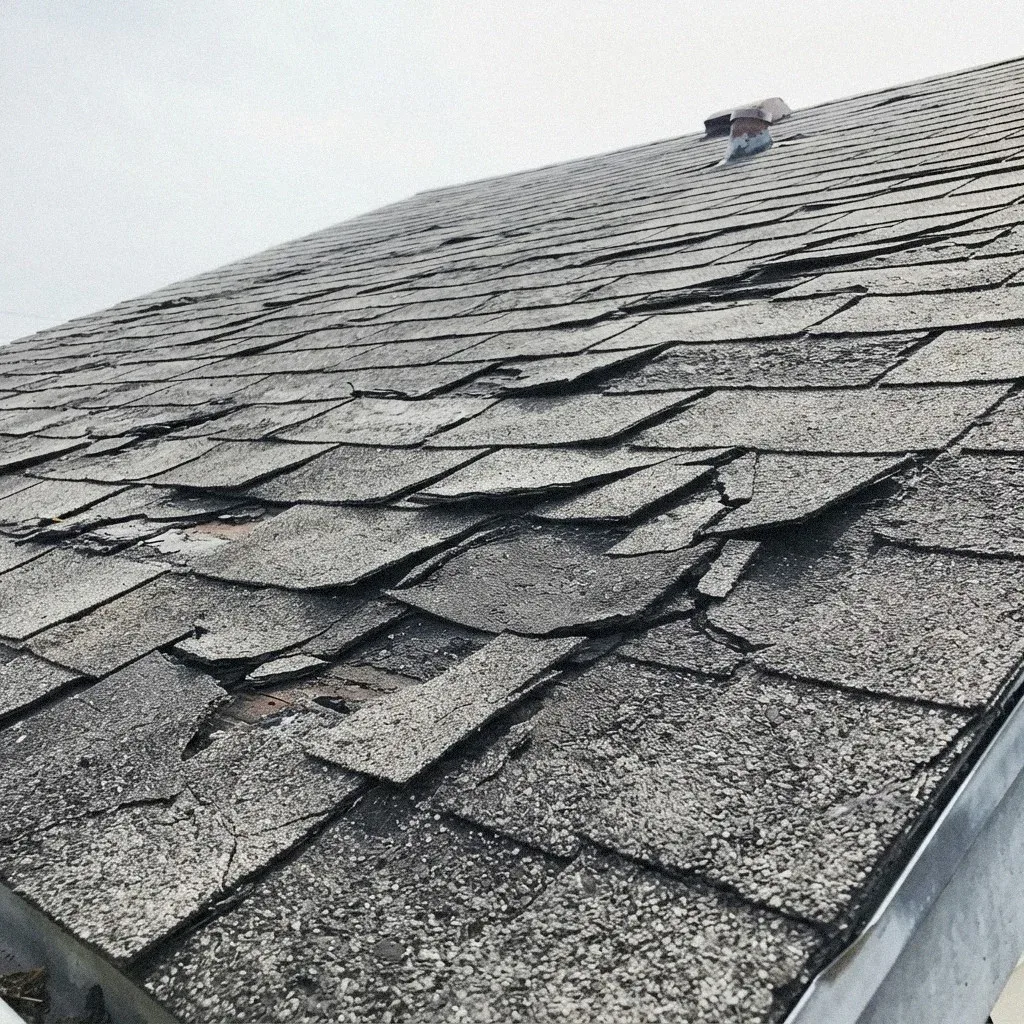
A shingle bowed at the corners isn't the same problem as one splitting at the seam. Here's what each curl shape says about an Omaha roof.
Read article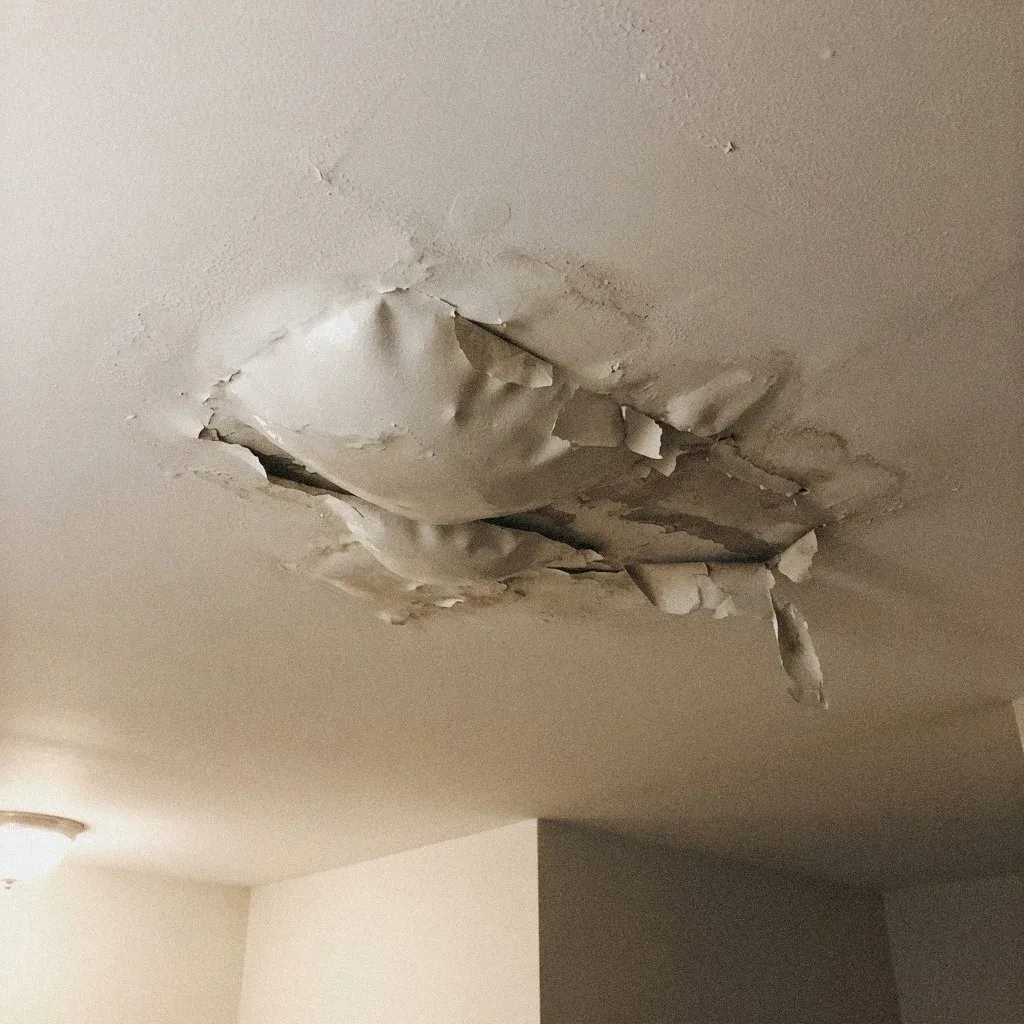
A brown ring tells you more than that water got in. Its color, its edges and where it sits relative to the walls all narrow down where the roof is letting go, and the entry point is nearly always uphill of the mark.
Read article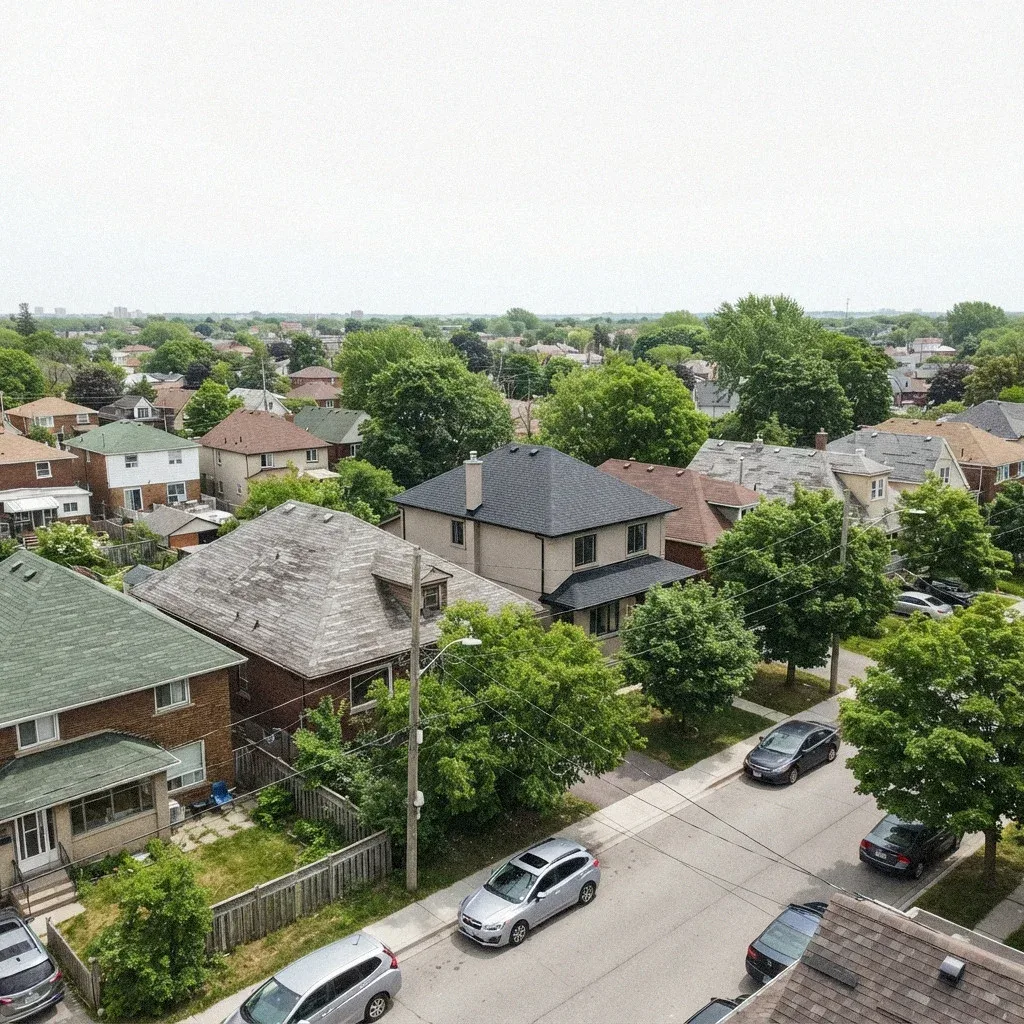
A wavy ridge, uneven shingle courses, and granules collecting at the downspout tell an Omaha homeowner most of the story before anyone climbs a ladder.
Read articleYes. They're built around what actually shows up here — hail piling up after a spring storm rolls through Millard or Elkhorn, ice damming on a poorly vented attic near Dundee, gutter systems overwhelmed by a downpour close to Papillion Creek. General roofing advice skips the freeze-thaw cycling and basement water-intrusion risk that make Omaha roofs behave differently than roofs anywhere else.
No set calendar. Guides get another look after something changes the picture — a hail run through South Omaha, a stretch of hard freezes that stress flashing, a season where flash flooding along Big Papillion Creek exposes weak gutter setups. Between those, the pages sit as written until conditions give a reason to revise them.
Right. The service pages list what work gets done and what it runs. The guides cover the why — why a home near Aksarben Village with a flat-roofed addition drains differently than an older gabled house in Benson, or why footings and attic ventilation both trace back to the same 36-inch frost line.
These posts work through problems that actually turn up on Omaha roofs: hail pitting after an April storm, ice damming on a poorly vented attic once temperatures swing below freezing, gutters overwhelmed by a downpour near Papillion Creek. Some of it applies to an older basement home in Benson, some to a newer build in Millard, and most of it is worth knowing before you are standing in your yard staring at shingles on the lawn. Browse what applies to your situation.
Call (833) 566-1459