Reroofing in Omaha comes down to picking a stretch where the deck stays dry long enough to close it back up. Spring brings the hail that starts most claims, and winter brings freeze-thaw cycling that stresses shingles and flashing for months afterward. Between those two, there's a calmer run of weather most homeowners never think to plan around until an adjuster or a leak forces the question. Timing a tear-off around that window matters as much as anything about the materials going down.
Why the Sealant Strip Needs Warmth
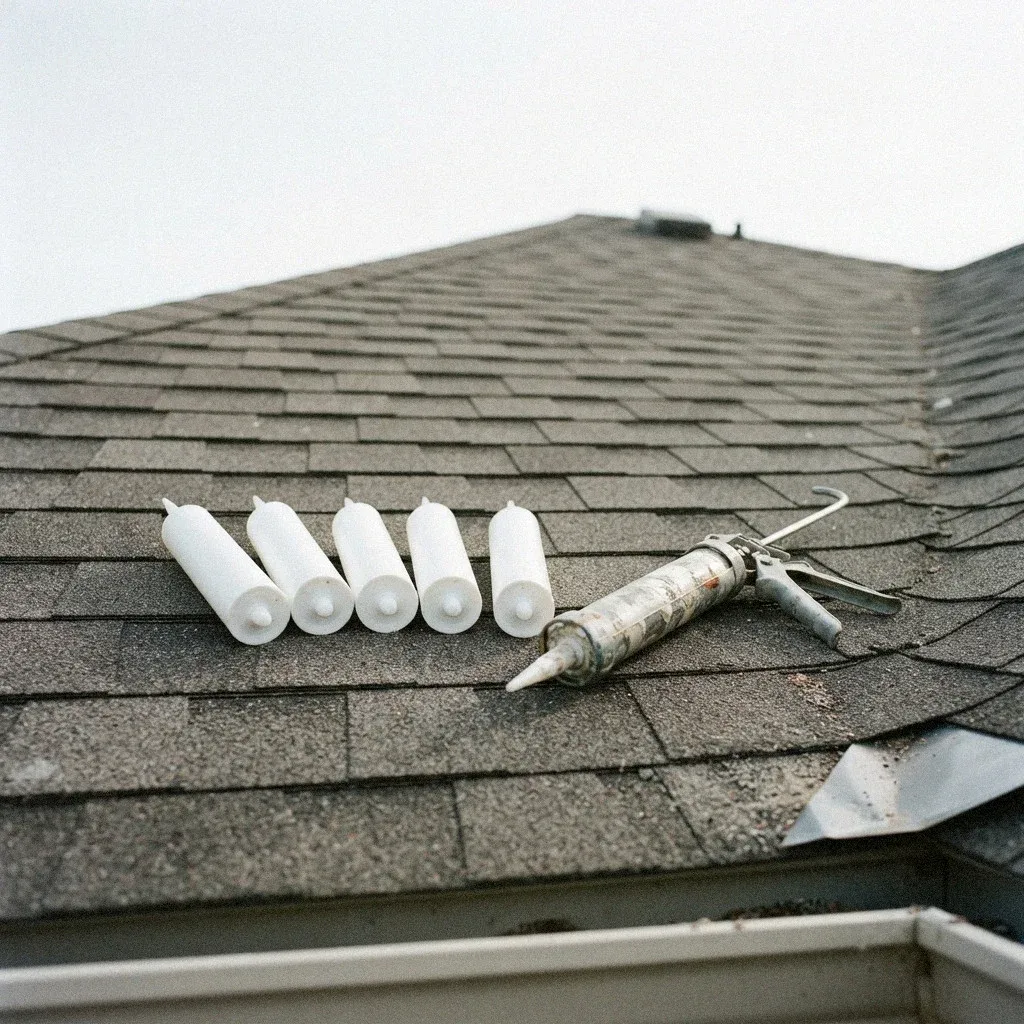
Composition shingles rely on a sealant strip that needs steady warmth to soften and press flat against the course beneath it. That thermal sealing step is what keeps wind from working shingles loose later. In Omaha's hot, humid summers the strip bonds fast on a clear day, but a cold snap or a sudden hailstorm mid-project can interrupt that bond before it sets, leaving a roof that looks finished but hasn't actually sealed.
An Open Deck Needs Dry Days
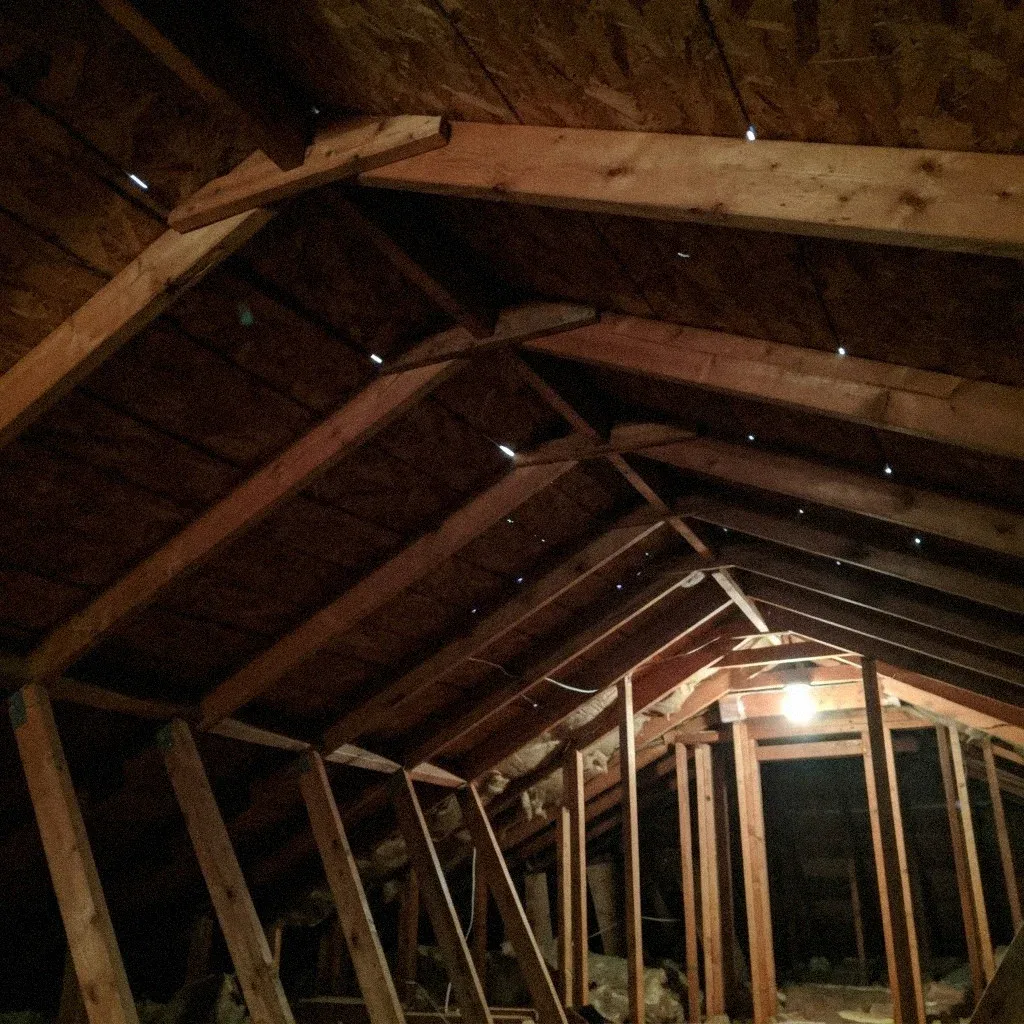
Once tear-off starts, the plywood decking underneath has no covering at all until underlayment goes down and the dry-in stage is complete. A downpour landing on that open deck can soak the wood, delay the schedule, and risk water finding its way past the framing into a finished basement below, which is the default foundation type across most of Omaha's older housing stock. Keeping that exposure short is one reason timing carries real weight here.
Omaha's Narrow Dry Stretch
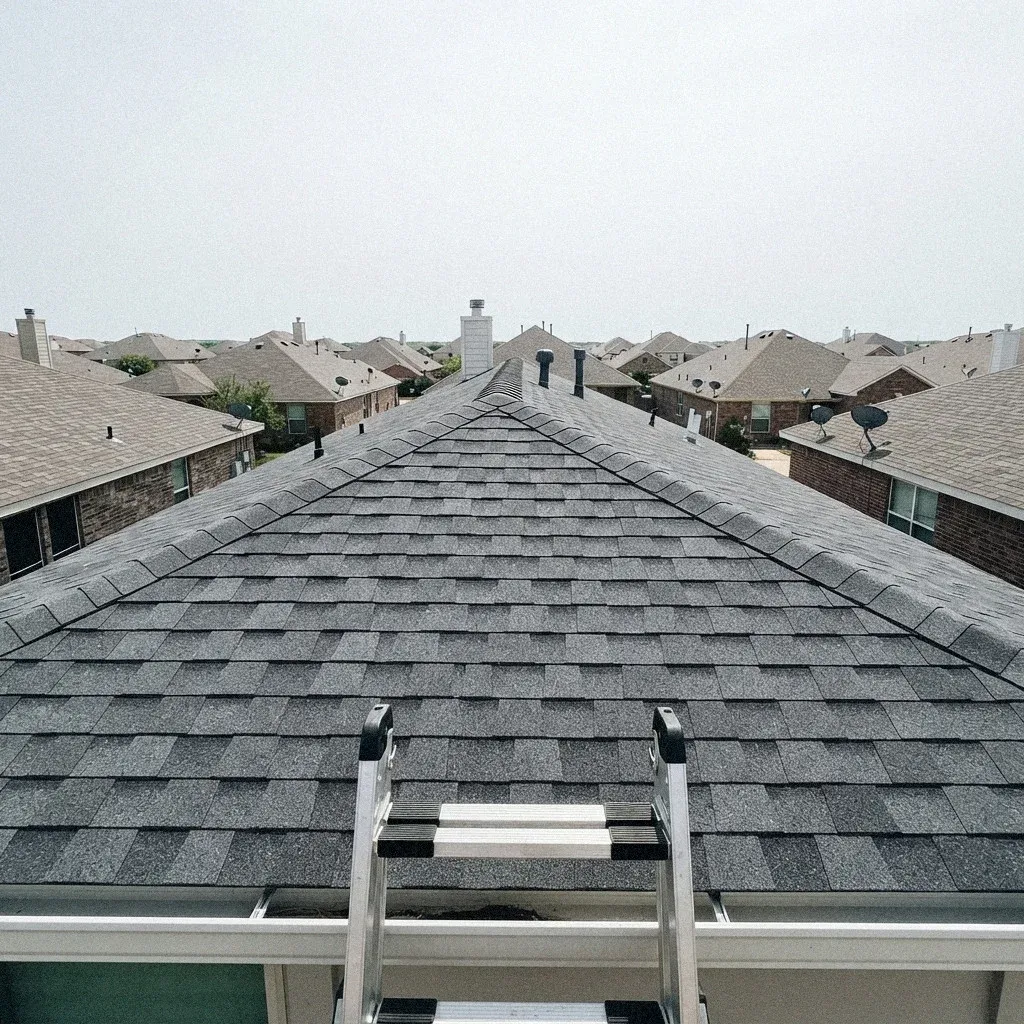
Omaha's weather window for reroofing sits in the calmer stretch after spring's hail-heavy months and before the ice and snow of winter set back in. Late summer into early fall tends to bring steadier, drier days without the severe thunderstorm activity that peaks earlier in the season. That's the run of weeks a homeowner in Dundee or Benson can generally count on for a tear-off that finishes clean, without a hailstorm or cold front cutting the job short.
How the Window Shapes Booking
Because that dry stretch is limited, most Omaha roofing crews are trying to book the same weeks, and a scheduling backlog builds well before the window even opens. Homeowners who wait until the leaves turn often find the calendar already filling with jobs from spring hail claims that got delayed. Reaching out early, before the rush, is often the difference between choosing a start date and taking whatever slot is left.
What Peak Season Looks Like
Peak season crew availability tightens fastest for full tear-offs on larger homes, since those jobs take longer to open up, dry in, and close than a smaller repair. A two-story home in Elkhorn or West Omaha with a full basement underneath needs that deck covered quickly once it's exposed, and crews plan their calendars around jobs like that filling the bulk of the good weather. Smaller jobs get squeezed into whatever days are left.
Lead Time Worth Planning For
Lead time on a reroof usually starts weeks before any shingle goes down, once a homeowner is folded into a crew's calendar behind other jobs already scheduled ahead of theirs. Storm damage from spring hail adds to that line, since insurance paperwork and adjuster visits often need to clear before work can start. Booking early in the year gives more room to land inside the dry window instead of chasing whatever late slot remains.
Shoulder Season Trade-Offs
Spring and early fall act as shoulder seasons in Omaha, with usable stretches mixed in among days too wet or too unpredictable for a full tear-off. Crews watch the forecast closely during these months, since a fast-moving storm off the plains can turn a planned dry-in into a scramble. Work still gets done, but it moves at the pace the sky allows rather than a fixed schedule.
Dry Ground Makes Staging Easier
Dry weather also makes the physical logistics of a reroof simpler. Dumpster placement, staging of bundled shingles, and ladder access all go easier on a firm, dry driveway than on ground softened by rain, and that matters on tighter lots in neighborhoods like Midtown Omaha or the Old Market where street parking and yard space are already limited. Saturated ground slows a crew down before they even reach the roof.
Why Booking Early Pays Off
Booking early gives a homeowner more say over when the work actually happens instead of settling for an open date late in the season. Someone in South Omaha or near Aksarben Village who calls in early summer can often pick a week that fits their schedule, while a homeowner who waits until October may be told the crew is already committed through the dry window and pushed into less certain weather.
Signs Worth Acting On Now
Granule buildup collecting in the gutters, shingles curling at the edges, or a roof that's simply outlasted its expected years are all reasons to start the conversation before the good weather runs out. A missed spring hailstorm that left cracked shingles without an obvious leak yet is another common trigger, since the damage tends to show up later during the next heavy rain or thaw.
When Signs Add Up Together
Waiting too long past the fall weather window narrows options fast. Once temperatures drop and moisture lingers, sealant strips stop bonding the way they should, and an open deck near Elkhorn or Millard sits exposed longer than anyone wants. Booking before that stretch fills gives the licensed pros we connect you with room to schedule tear-off and dry-in on a day the deck can actually stay open, rather than squeezing the job between snow and ice on the calendar's last open slot.
Dealing with this in your home?
Omaha roofs fail on their own timeline. Dundee and Benson still have prewar homes with basements below, where a clogged gutter means water finding its way down, not just across. Blocks near Elkhorn or Millard face the same April hail but newer decking. Same city, same spring, different repair.