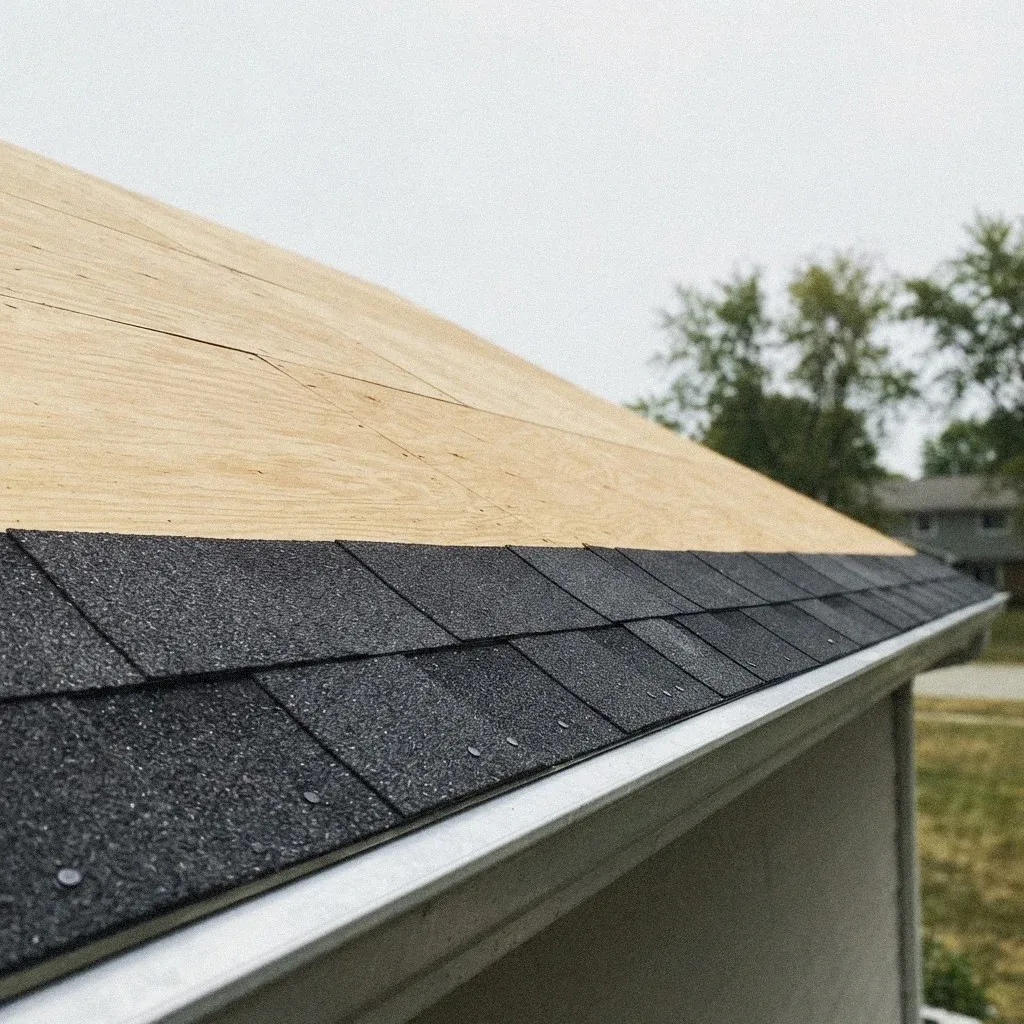
Materials & Types
Architectural vs Three-Tab Shingles, Compared
Two shingle types cover most Omaha roofs, and the difference is more than looks. Here is what separates layers, weight, wind rating, and warranty before you decide.
Read article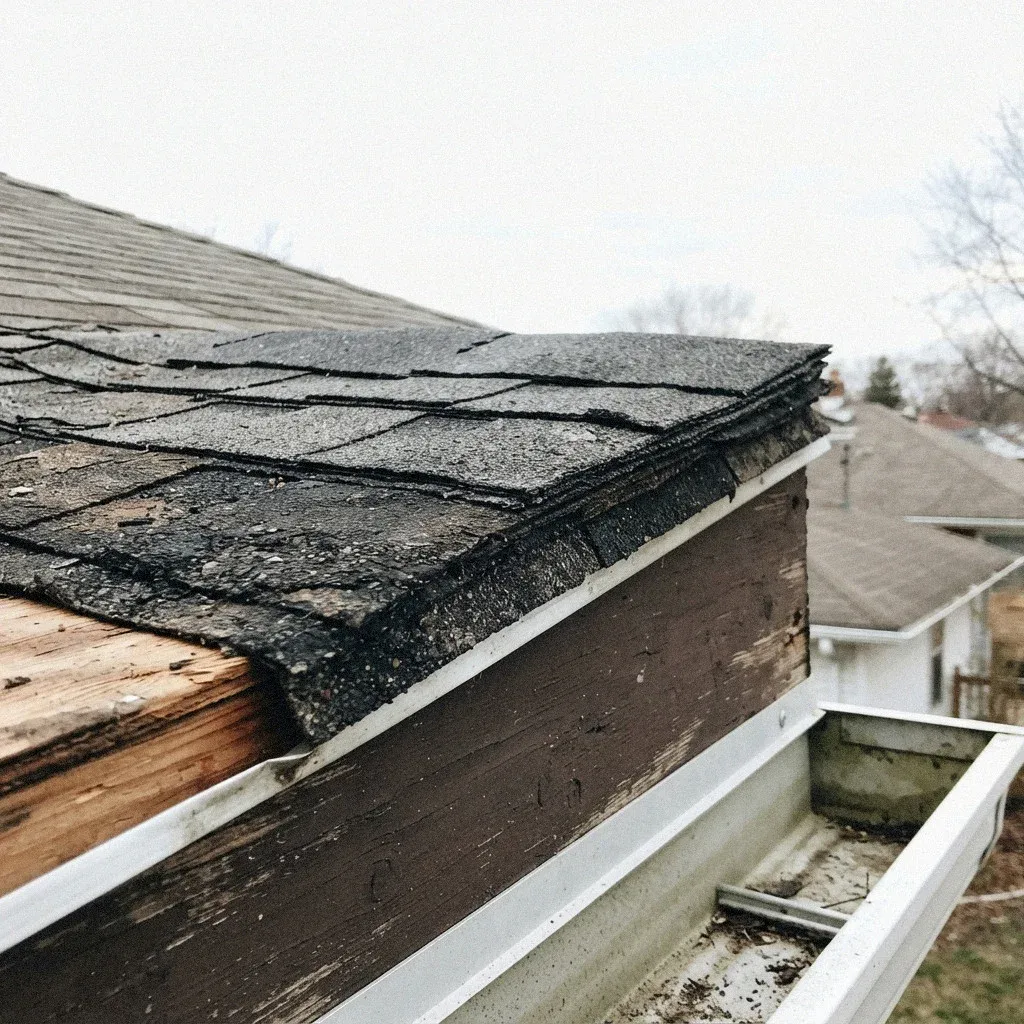
Every layer comes off to the deck, and the new roof goes on in the right order.
Roof replacement Omaha, NE means every layer of old roofing comes off down to bare wood before anything new goes on. It is not a new layer added on top of the old one.
We connect you with a local licensed pro who walks your actual roof and tells you what it needs. Call (833) 566-1459 to get started.
Roof replacement cost depends on your roof's measured size, how many layers come off, and what the decking looks like underneath.
A townhouse, an average house and a complete tear-off on a large home are all priced the same way, with square footage confirmed on the actual roof instead of guessed.
Ask for the decking rate on the estimate before work starts, and check the pricing guide for current numbers.
Residential roof replacement strips your house roof to bare wood, then rebuilds it one layer at a time.
The order is eave membrane where ice backs up, underlayment, drip edge, valley metal, step flashing, starter course, field shingles, and ridge cap last.
A skipped stage is invisible once the roof is finished, so ask for this exact sequence.
Flat roof replacement means the old covering comes off and the deck is checked before a new roof goes on.
Omaha's freeze-thaw winters and heavy downpours are hard on low roofs, so tell the pro you have a flat roof when you call. Our page on flat and low-slope roofing explains more.
Old roof replacement is due when composition shingles pass 20 years, especially in older neighborhoods like Dundee or Benson.
Omaha's freeze-thaw cycling wears them down quietly, so thinning granules, brittle edges and loose nail heads show up before any leak does.
A true tear-off finds soft decking and rusted flashing that a cover-over would bury.
Hail damage roof replacement is the right call when hail has cracked shingles across the roof, not just in a few spots.
A pro on the roof can tell hail cracking from age cupping, and small spots may only need storm and wind damage roof repair.
Nebraska has its own post-loss assignment statute that shapes who can be paid directly on a hail claim, so understand it before you sign anything with an adjuster or contractor. Don't wait: book before the next storm.
A composition shingle roof this old has absorbed a lot of Omaha freeze-thaw cycling, even without an obvious leak.
Granules thin on south-facing slopes and edges go brittle. It happens gradually, so it is easy to miss from the ground.
Nail heads working loose are an early sign the roof is wearing out.
Cupping points to age and cracking can point to hail. Only someone walking the roof can tell which one you have.
The pro walks the roof, counts layers, checks the decking for soft spots and confirms square footage. Then a scope gets written.
A dumpster or trailer goes where it won't block your driveway, and tarps cover shrubs and flower beds near the drip line. Then the old roof comes off in sections.
New layers go on in order, from eave membrane and underlayment to flashing, starter course and field shingles. Hip and ridge cap finish the job.
A magnetic sweep picks up old nails from the lawn and driveway before anyone leaves. Then you walk through what was found and replaced, and agree on the punch list.
Older Omaha homes near Field Club or South Omaha were built for the original shingle covering, not always for later insulation or ventilation upgrades. A reroof is the time to fix ridge vent placement and attic airflow, which helps stop winter ice dams at the eaves.
Omaha permits full replacements through the City Planning Department, and the contractor should pull the permit. Ask to see it and get the inspection record when the job closes, since buyers and inspectors ask for it later.
Nebraska has its own post-loss assignment statute for how contractors and insurers deal with each other after storm damage. On a hail claim it shapes who can be paid directly, so understand it before signing anything.
Most roof replacement jobs in Omaha fall inside these ranges. The inspection costs nothing and the exact figure is written down before any work starts.
| Roof Deck Condition | Attic Ventilation | Project Schedule |
|---|---|---|
| Some crews only handle tear-off and reload, moving fast but skipping the harder parts. Flashing around chimneys, valleys, and skylights takes more attention than a simple shingle swap, and that step separates a roof that holds up through freeze-thaw cycling from one that fails at the first hard rain. | Full roof walk with attic check for daylight or damp decking | an estimated $7700–$28500 |
| A company that splits its time between gutters, siding, and roofs brings less roof-specific judgment to a reroof than one that works on roofs daily. Ventilation mistakes, wrong nail patterns, and skipped underlayment show up years later as leaks, not on inspection day when they'd still be cheap to fix. | Tear-off, new underlayment, standard shingle color, haul-off included | an estimated $11000–$39000 |
| A low bid rarely explains what it leaves out. Skipped ice-and-water shield, minimal flashing, or a vague ventilation plan can make a number look better on paper while setting up problems that cost more than the difference once winter arrives. | Reroof with valleys rebuilt, ridge vent added, permit filing included | an estimated $14300–$54000 |
| A crew that only reroofs, day after day, sees the same failure points on repeat: cracked pipe boots, undersized drip edge, valleys patched instead of replaced. That repetition means fewer guesses mid-job and fewer surprises once the old layer comes off. | Large reroof, skylight flashing rebuilt, no drywall or paint work | an estimated $19800–$78000 |
A roofing permit means someone independent checks the work before it's covered over. A contractor who says a permit isn't needed for a full reroof is asking you to take that inspection on faith.
Tear-off is usually one day on an average Omaha house, and the whole job takes two to three. Soft decking, a steep pitch, many valleys or wet weather can add time.
Yes, a true replacement takes every layer off down to the wood deck. That is the only way to see the condition of the sheathing underneath.
Tarps go over landscaping and a container or dump trailer catches the debris. A magnetic sweep then runs over the lawn and driveway more than once, so ask for it specifically.
The contractor should pull it, not you. Omaha permits full replacements through the City Planning Department, so ask to see the permit and the inspection record at the end.
Yes, and tear-off is where it gets sorted out. Some older Omaha homes, like those in Field Club or South Omaha, have sheathing that was never meant to carry a wood shake roof or a second layer of shingles.
Every roof is different, so the only accurate number comes from somebody going up and looking. That said, most roof replacement jobs in Omaha run an estimated $11000–$30000 per job, depending on the size of the roof and how steep it is. The figure is confirmed in writing before anything is ordered.
Insurance claims move faster when the damage is documented before the estimate argument starts. A written date, clear photos, and a plain description of what changed beat a verbal account every time an adjuster reviews a file.
Two shingle types cover most Omaha roofs, and the difference is more than looks. Here is what separates layers, weight, wind rating, and warranty before you decide.
Read article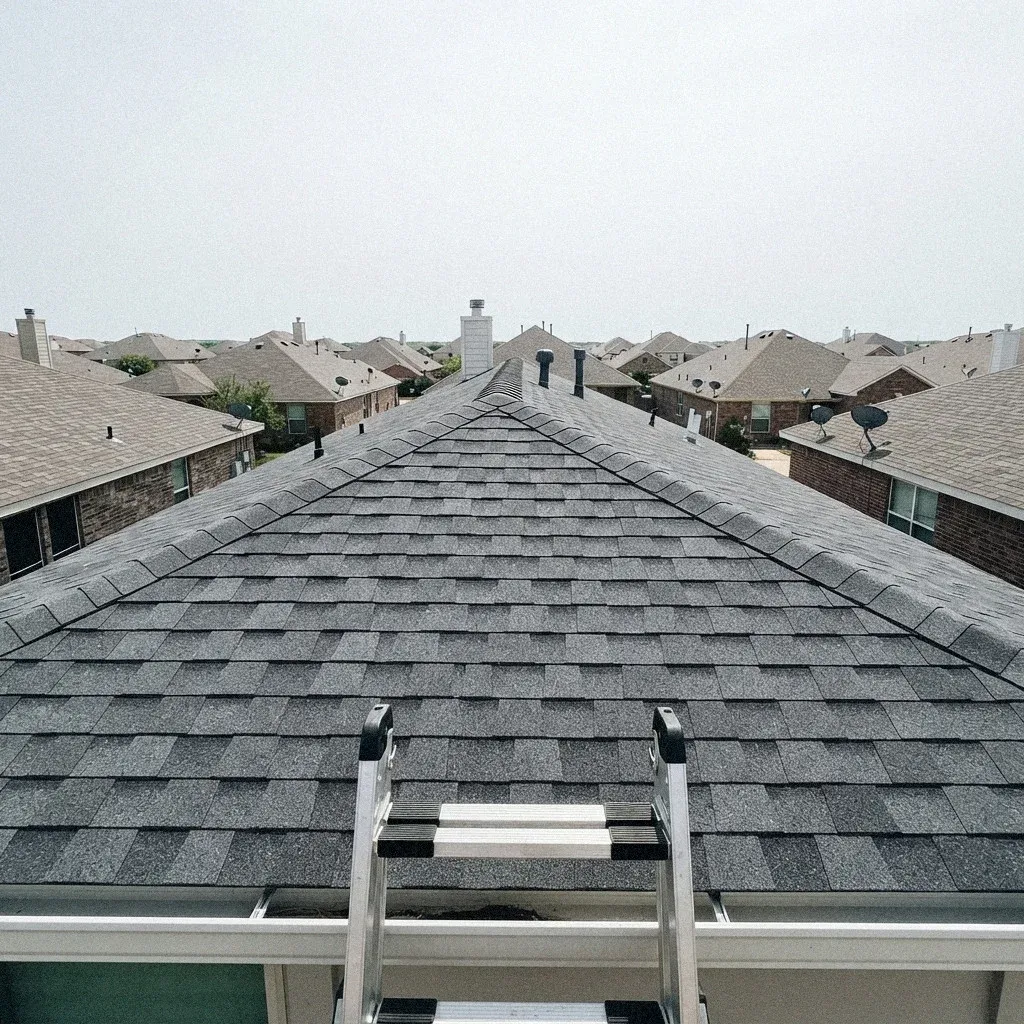
Dry, mild stretches between Omaha's spring hail season and winter freeze-thaw let sealant strips bond properly, which is why timing a reroof matters as much as the materials chosen.
Read article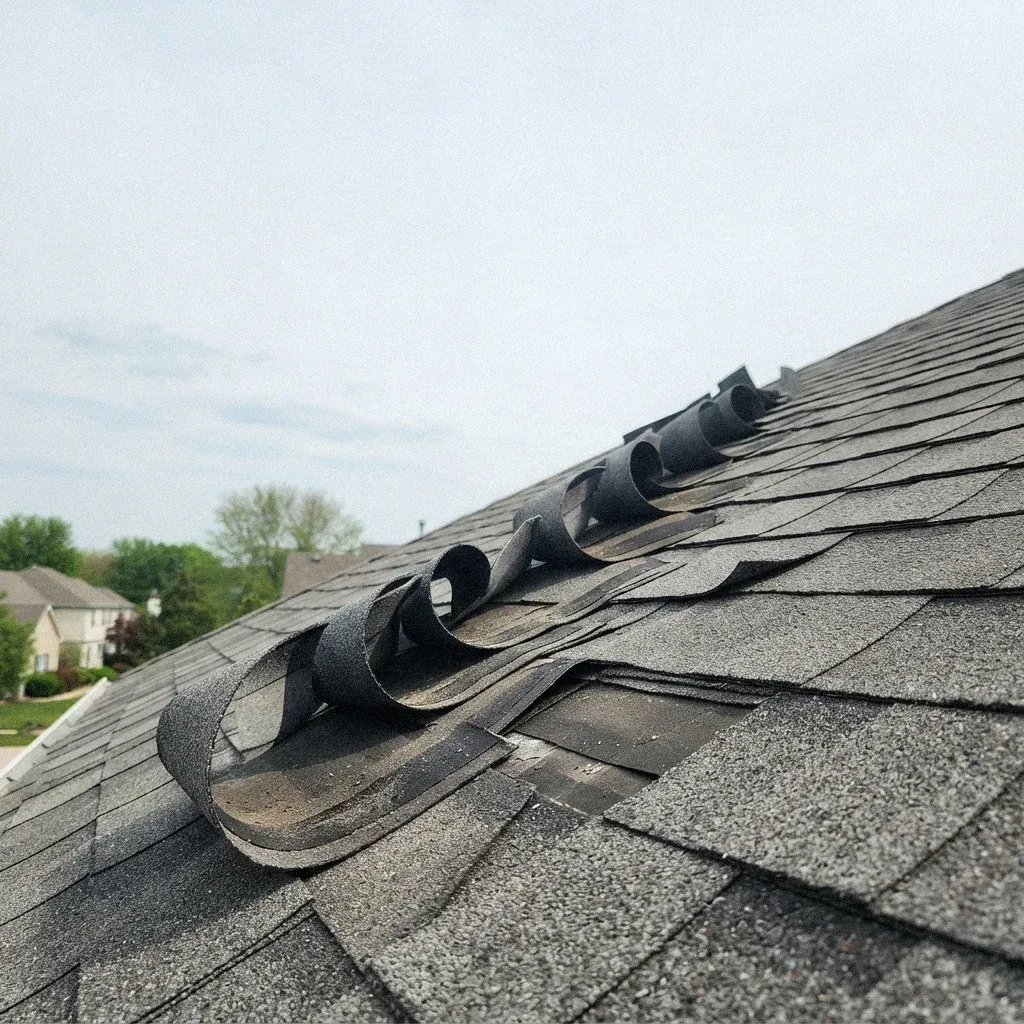
You can, and plenty of Omaha houses change hands that way. What decides whether it costs you is documentation: a written inspection, any hail history, and whether an old claim was ever properly settled.
Read articleA homeowner near Aksarben Village or out toward Elkhorn is dealing with a specific roof, not a general one, so the details on this page are a starting point rather than the final word. Age, slope, and how the last hailstorm hit matter more than any single description can capture. From here, the licensed pros we connect with can look at what is actually happening and say what it needs.
Call (833) 566-1459