An old roof doesn't stop an Omaha sale, but it changes the shape of the negotiation. Buyers from Dundee bungalows to newer Elkhorn builds expect an aging roof will surface somewhere in the process, whether that's an inspector's report or a lender's checklist. What matters is handling it in order: know the roof's real condition, disclose honestly, and decide how repair costs get split before the closing date arrives.
What Sellers Must Disclose
Nebraska sellers typically complete a written statement describing the property's condition, including anything they're actually aware is wrong. That duty covers what the seller knows firsthand, not problems a future inspection might turn up. A roof that's leaked, been patched, or shows visible sagging belongs on that list. Leaving it off doesn't make the roof better; it just moves the conversation to after closing, on worse terms for the seller.
As-Is Listings and Roof Age
Some Omaha listings go to market as-is, meaning the seller won't fund repairs regardless of what surfaces later. That label doesn't remove the disclosure duty, and it rarely stops a buyer from asking questions about a roof that's clearly near the end of its service life. Pricing usually reflects the roof's age from the start in these listings, which can shorten negotiations compared to a home priced as though the roof were newer.
How Buyer Inspections Play Out
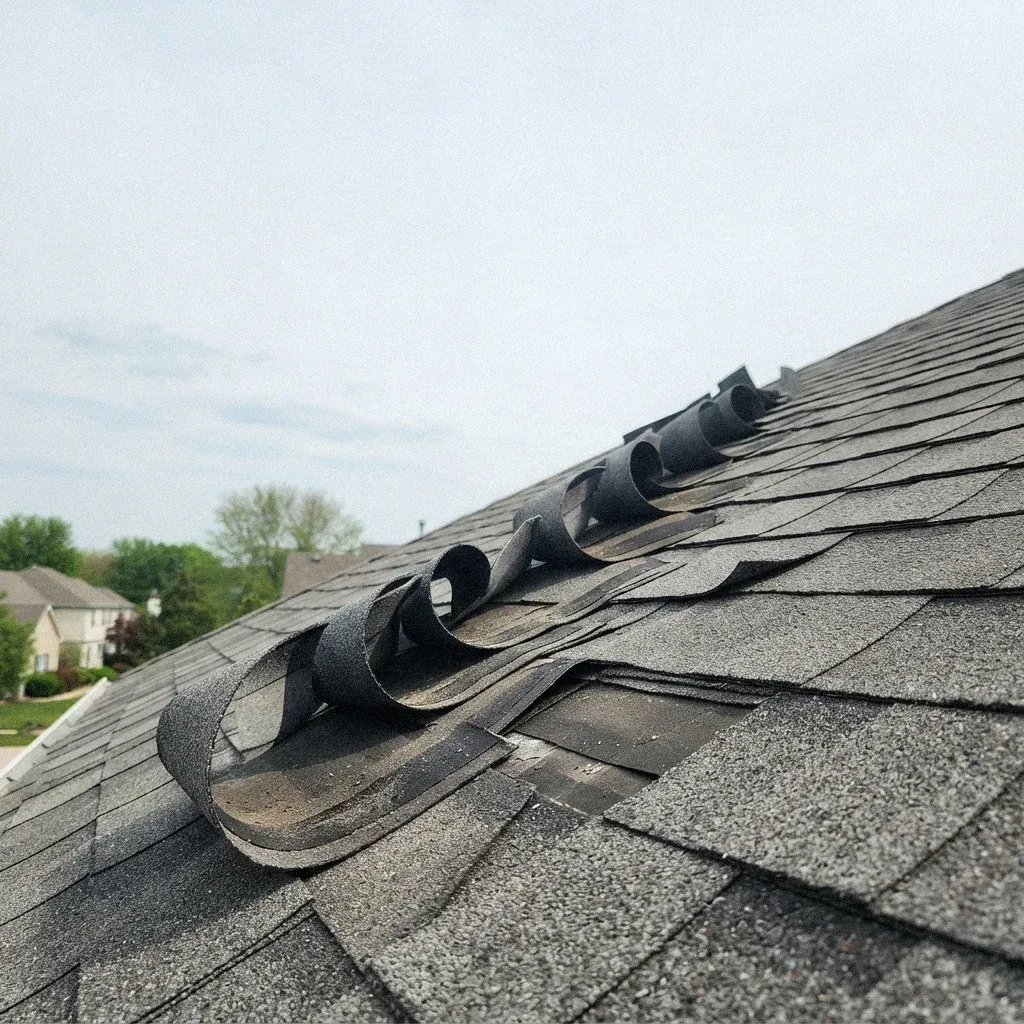
Once an Omaha purchase agreement is signed, most buyers use their inspection contingency to send someone onto the roof within the first week or two. If that inspector flags cracked or missing shingles, exposed nail heads, or soft decking near a valley, the request that follows usually asks for either a repair addendum spelling out the work or a seller credit at closing, rather than a full re-roof.
Repair Work Versus a Credit
When a roof issue comes up during that window, sellers generally choose between two paths. One has the seller arrange and pay for the specific repair before closing, with the work documented for the buyer. The other leaves the roof alone and lowers what the seller nets at closing instead, letting the buyer handle repairs on their own timeline. Which path fits depends on how much time is left before the closing date and what the buyer is willing to accept.
Why Lenders Weigh Roof Age
Lenders look past whether a roof currently sheds water and ask how much life it has left, since the roof is part of what secures the loan. An appraiser who notes heavy wear, active leaks, or missing shingles can hold up financing for a house in West Omaha or Millard just as easily as one closer to downtown. That note usually becomes a condition the seller or buyer has to resolve before the loan moves forward.
Appraisal Conditions Explained
An appraiser noting roof condition isn't the same as a buyer's inspector. The appraisal is for the lender, and if the appraiser flags a roof in poor shape, the loan can come with a lender-required repair condition attached before funding closes. That condition is usually satisfied one of two ways: proof the work got done, or a roofing professional's written opinion on how much service life the roof still has.
Getting Insurance Before Closing
Buyers financing a home also need coverage in place before the deal closes, and insurers weigh roof age heavily when deciding what they'll write. A roof well past its expected lifespan can mean a higher premium, a policy that excludes roof-related claims, or a straight decline from some carriers. That uncertainty is why roof condition sometimes gets settled early in an Omaha sale, before either side spends more time on financing details.
Roof Certifications in a Sale
When a lender or insurer hesitates over an aged roof, an Omaha seller can ask a roofing contractor to put an opinion in writing instead of tearing off shingles that still function. That letter typically notes the material, its condition, and how many years of service are likely left before replacement makes sense. It won't override a buyer's own inspector, but it gives an appraiser or underwriter something concrete to weigh against a roof that otherwise reads as old on paper alone.
Holding Funds Back at Closing
Sometimes the timeline is the problem, not the roof itself. A contractor is booked out, materials are backordered, or the season makes replacement impractical before the closing date arrives. Rather than delay the sale, buyer and seller can agree to set money aside with a third party, released once the work is finished afterward. It keeps the transaction moving while still guaranteeing the buyer isn't left covering a job the seller already agreed to pay for.
What Deferred Maintenance Signals
A roof that's been patched as problems came up looks different to a buyer than one that's been ignored for years. Clogged gutters, moss in shaded valleys near mature trees in neighborhoods like Benson, or ice damage left unaddressed after a hard Omaha winter all add up. None of that is disclosed by a single line item, but it shows up in an inspection report, and it shapes how buyers negotiate once they see it.
Weighing the Roof Before Listing
Before listing a home with a roof that's clearly aging, it helps to have an honest sense of its actual condition rather than guessing from the ground. That knowledge shapes what goes into the disclosure, how the listing gets priced, and whether the seller wants to get ahead of lender or insurance questions instead of reacting to them mid-contract. A roof nobody's looked at closely is the one most likely to derail a closing date.
Dealing with this in your home?
Omaha roofs fail on their own timeline. Dundee and Benson still have prewar homes with basements below, where a clogged gutter means water finding its way down, not just across. Blocks near Elkhorn or Millard face the same April hail but newer decking. Same city, same spring, different repair.