After a hard hail run moves across Douglas County between April and June, it's common for trucks nobody recognizes to show up in Omaha neighborhoods within a day or two, working blocks from Benson to Millard. Some of these crews do honest work far from home. Others follow the storm path from town to town, sell fast, and are gone before a homeowner finds a problem. Knowing the difference starts with slowing down before any paperwork gets signed.
The Free Inspection Offer
A free inspection offer after a hailstorm isn't automatically a red flag. Plenty of legitimate companies use one to get a foot in the door. The trouble starts when the same visit that produces the inspection also produces a contract, a damage estimate, and a demand for a signature, all inside twenty minutes. A homeowner in Dundee or Elkhorn who wants a second opinion should be able to ask for one without the crew pushing back or rushing the timeline.
Contingency Agreements at the Door
A contingency agreement only takes effect once an insurance claim is approved, and some door-to-door solicitation crews carry these pre-printed, ready to sign on a clipboard on the porch. Signing one before an adjuster has even looked at the roof locks a homeowner into a specific contractor before they've compared anyone else. In West Omaha or South Omaha, where hail claims cluster after a bad spring storm, that pressure to commit early is exactly what these agreements are built to create.
What Assignment of Benefits Means
Assignment of benefits means the homeowner hands over the right to deal with the insurer directly. The contractor signs on as the party who negotiates the payout, orders the scope, and collects the check, sometimes without the homeowner reviewing what was agreed to. Once signed on a porch in Dundee or Benson, undoing it takes more than a phone call. Ask what happens if the contractor and the adjuster disagree on price, and who is stuck with the difference.
The Deductible Waiver Pitch
Someone knocking doors after a hailstorm in Millard or Elkhorn may offer to eat your deductible, folding it into the contract price so the job looks free. Insurance policies are written to make that deductible your share of the cost, not a line item a contractor can quietly erase. Inflating the invoice to cover it is how that trick usually works, and it can leave a homeowner listed on paperwork that misrepresents the claim to the insurer.
Large Deposits Before Work Begins
A large upfront deposit, especially one asked for before materials are ordered or a start date is set, shows up often in door-to-door solicitation. Omaha's spring hail season means scheduling backs up fast once a storm hits a wide stretch of the metro, so a crew pushing for full or near-full payment weeks before any truck shows up in Benson or Millard deserves a second look. A modest deposit tied to an actual order is a different situation entirely.
Unmarked Trucks, Distant Addresses
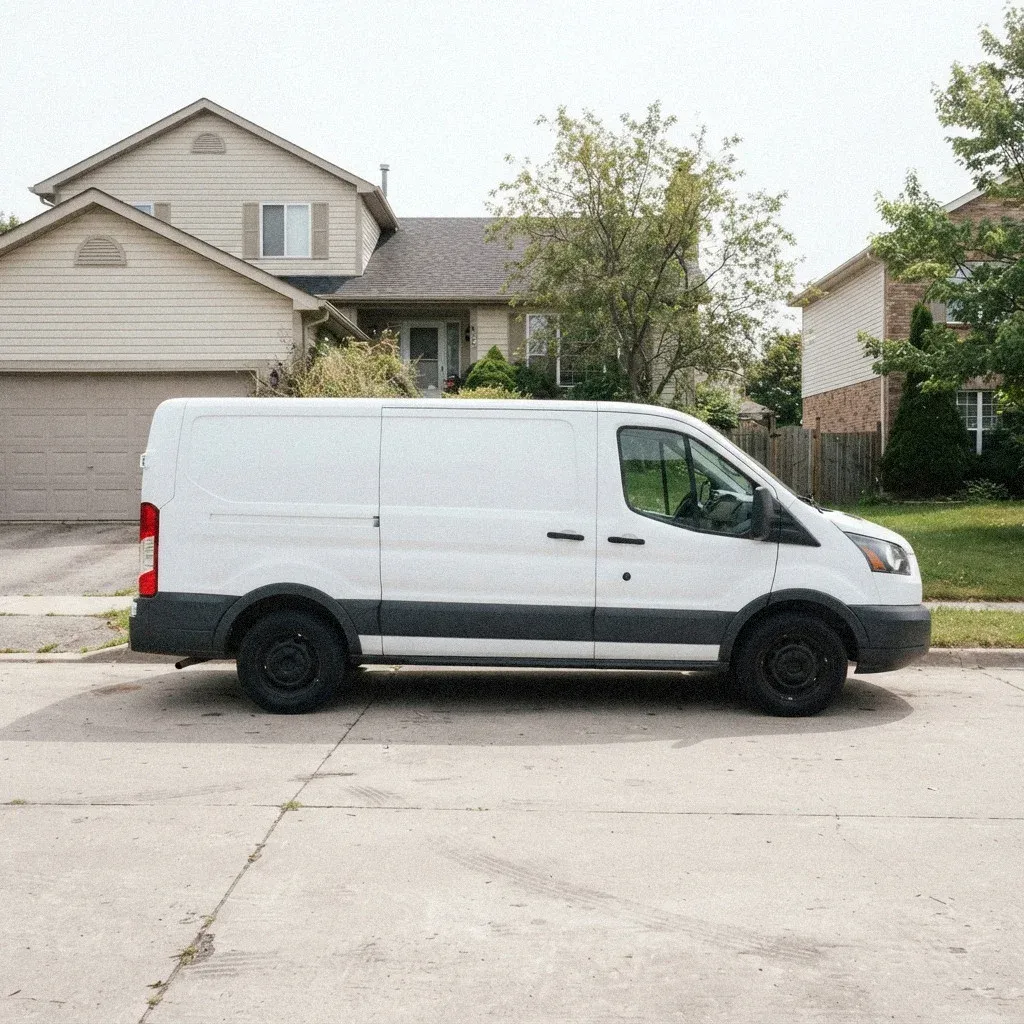
A pickup with no lettering and a business card listing an address nowhere near Omaha aren't proof of a scam by themselves, but paired with a rushed sales pitch after a storm rolls through Papillion or La Vista, they're worth noticing. Crews that arrive from out of state chasing hail damage often move on once the checks clear, leaving no local shop to call if the flashing fails or a leak shows up two winters later.
Spotting a Pressure Close
A pressure close is any tactic built to get a signature before a homeowner has time to think, compare bids, or call anyone else. Lines like today only, or the adjuster's already agreed, are meant to shortcut that pause. A homeowner in Gifford Park or Walnut Hill facing a legitimate hail claim has time on their side; insurance claims don't expire in an afternoon, and a company that acts like they do is telling you something about how they operate.
The Cost of No Written Scope
No written scope means there's no document spelling out which materials will be used, which parts of the roof get worked on, and what the total price actually covers. Verbal promises made on a driveway in Fairacres or Bennington don't hold up once the crew is gone and the invoice doesn't match what was discussed. A homeowner should expect a scope in writing before agreeing to anything, storm damage or not.
Checking References That Don't Check Out
A salesperson standing in a driveway in Bemis Park or Aksarben Village may hand over a list of names as proof of past work. The trouble comes when those numbers go unanswered, the addresses don't exist, or the person on the other end has never heard of the company. A homeowner rushed into signing before verifying any of it is exactly the position a pressure close is designed to create, and a legitimate reference should hold up to a slow, unhurried phone call.
Subcontracted Labor and Lien Risk
Some roofing companies send their own people to do the work; others sell the job and then hand it to whoever's available that week. A homeowner in Florence or Benson has a right to ask which one they're dealing with before signing anything. If subcontracted crews go unpaid further down the chain, Nebraska law allows them to place a lien on the property itself, even though the homeowner already paid the company they hired. No written scope of work makes that risk harder to trace after the fact.
Permit Avoidance as a Warning Sign
Permit avoidance, skipping the City of Omaha Planning Department process to save time, shows up when a crew is focused on finishing fast and moving on to the next storm-hit block. Roofing work inside city limits generally goes through that permitting process, and a company unwilling to pull one, or vague about whether they will, is often planning to be out of Carter Lake or Millard long before anyone checks.
Dealing with this in your home?
Omaha roofs fail on their own timeline. Dundee and Benson still have prewar homes with basements below, where a clogged gutter means water finding its way down, not just across. Blocks near Elkhorn or Millard face the same April hail but newer decking. Same city, same spring, different repair.