Materials & Types
Owning A Cedar Shake Roof In Omaha
A cedar shake roof asks more upkeep than a shingle roof in Omaha. Here is what shake versus shingle actually means, why grade and exposure matter, and when repair no longer pays off.
Read article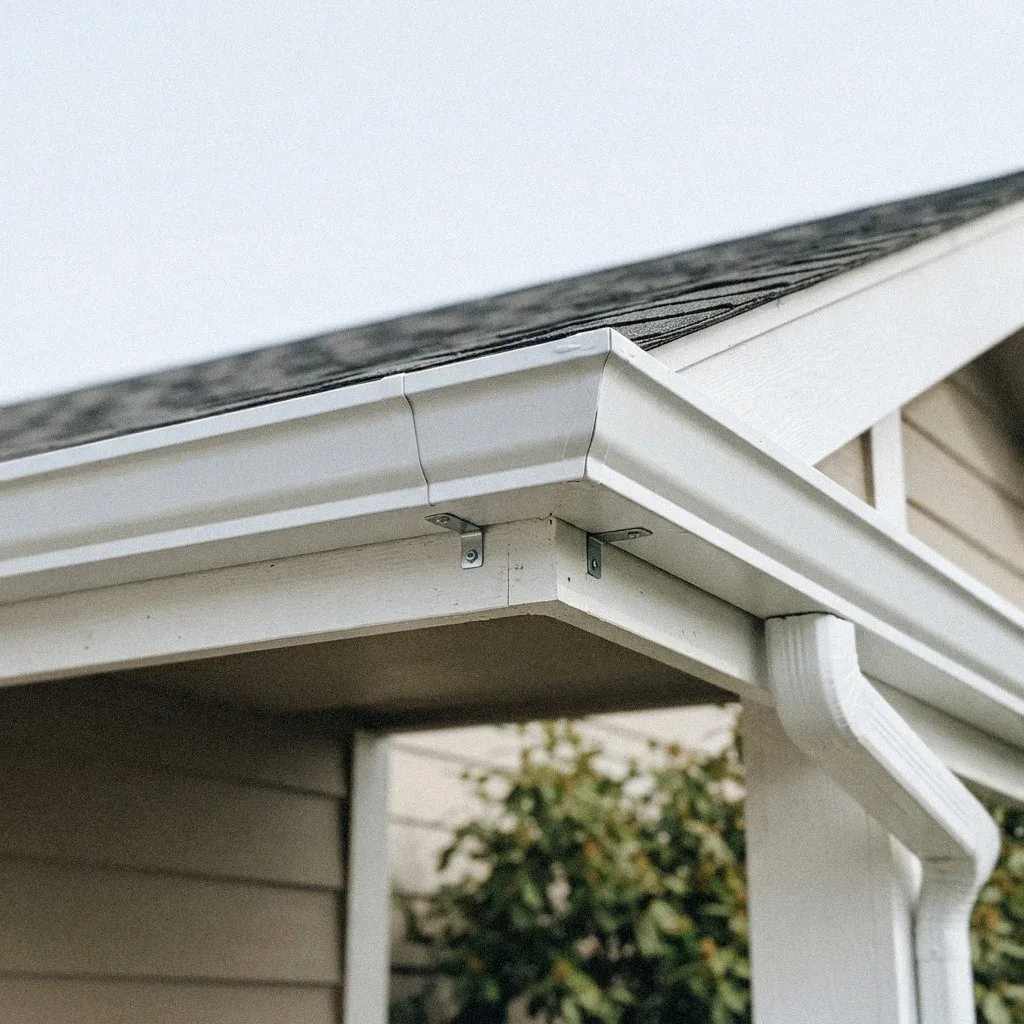
Gutters rehung to the right pitch and tested with water, so downspouts discharge clear of your foundation.
Gutter repair Omaha, NE homeowners can rely on starts with a local licensed pro who fixes the pitch, the hangers and the leaking seams. Gutters that sag or drip send water straight toward your foundation.
Call now and the licensed pros we connect you with will walk every run. They will tell you in writing what can be rehung and what needs replacing.
Rain gutter repair means resetting the pitch, replacing worn hangers and resealing leaking seams so water runs to the downspout. Most overflow turns out to be pitch.
A gutter that has pulled away from the fascia is often reusable once the board behind it is sound and the hangers are replaced.
If the fascia has gone soft, rehanging will not hold, and replacement is the lasting fix.
Replace a gutter when ice has bent it, a seam keeps splitting, or the fascia behind it has rotted. Ice loading pulls gutters off the fascia here most winters.
Seamless aluminum is formed on-site in one piece per run, so the seams that leak on older sectional gutter are gone.
The licensed pros we connect you with can match K-style or switch to half-round, and set a fall of about a quarter inch over ten feet.
Commercial gutter repair follows the same steps as a home: check each run, fix the pitch and hangers, then test with water.
Omaha downpours are short and heavy, so downspout size matters on any large roof. An undersized pipe can back up in one burst even if it drains fine on an ordinary day.
Gutter guard repair starts with the gutter underneath, because guards only work when the run hangs at the right pitch and the hangers are solid.
If a guard is bent or lifted, or the gutter beneath it has sagged, the licensed pros we connect you with can fix both in one visit. Don't wait for the next heavy rain to find out the water has nowhere to go.
Look at the run from the side. A belly between hangers, or a gutter tipping forward where spikes have backed out of the fascia, means the pitch is gone.
Older sectional gutter is joined every ten feet with sealant. When it dries and cracks, water drops down the siding instead of reaching the downspout.
Spongy wood where hangers anchor means the run has leaked for a season or two. Once the board softens, it stops holding fasteners and the gutter pulls free.
One length can be sound while the next has pulled away. The pro checks hangers, pitch toward each outlet, seams, the back edge and the drip edge.
A gutter that came off sound fascia can often be rehung with new hangers. You get the call in writing before work starts, so the price stays honest.
Gutters need about a quarter inch of fall over ten feet. Hangers go into the rafter tails where they exist, not the fascia alone.
A hose runs into the highest point of each run to confirm it carries, nothing pools and the joints hold. Downspouts must discharge away from the foundation.
On a full-basement house, gutters help keep the basement dry. Water dumped beside the foundation runs down the outside of the wall and finds its way in.
Older housing near Walnut Hill and Kountze Place was mostly fitted with sectional gutter, and its seams eventually leak. Seamless aluminum removes those joints and fits the deep fascia boards common on these homes.
Omaha rain tends to come short and heavy, like the 2021 Old Market flooding. A downspout sized for a smaller roof section can back up in a burst, a bigger risk near Papillion Creek or with a basement below grade.
Here is roughly what gutter repair & replacement runs locally. Treat it as a guide — the property itself decides where inside the range you land.
| State License | Proof Of Coverage | Payment Terms |
|---|---|---|
| Nebraska licenses roofing contractors at the state level, and that license status can be verified before work starts. It matters more than a glossy truck wrap or a door hanger left after a hailstorm. Ask for the license number directly, then confirm it independently rather than taking a business card's word for it. | Roof walked in person, flashing and vents checked by hand | an estimated $840–$4560 |
| Confirm liability coverage exists before work starts, not after. It matters if a tool falls through a skylight or a worker gets hurt on the job, since coverage decides whether that cost lands on the contractor or ends up on your homeowner's policy instead. | Tear-off with impact-resistant shingle option, gutters checked, not replaced | an estimated $1200–$6240 |
| A bond and an insurance policy solve different problems. The bond is a smaller backstop for work left unfinished or done poorly; insurance covers accidents and damage during the job itself. Confirming both takes one phone call, not a leap of faith. | Tear-off across a larger roof, decking swapped by the section | an estimated $1560–$8640 |
| A deposit that covers the full contract price before any material arrives is a warning sign, not a courtesy discount. A reasonable payment schedule ties each draw to a stage of work completed, so nobody is left holding an unfinished roof and an empty account. | Strips roof to deck, replaces flashing and valleys, files City of Omaha permit | an estimated $2160–$12480 |
A roofing permit means someone independent checks the work before it's covered over. A contractor who says a permit isn't needed for a full reroof is asking you to take that inspection on faith.
Sometimes. If the fascia holding the hangers is still solid, the licensed pros we connect you with can usually reset the pitch and add new fasteners. Once that board has softened from long-term leaking, replacement is the only lasting fix.
The sealant at that seam or end cap has most likely dried out and split. Freeze-thaw swings in Omaha speed that up. Resealing the joint fixes it if the metal and fascia behind it are still sound.
Yes. A gutter set flat or tipped the wrong way holds water instead of moving it to the downspout. The extra weight works spikes loose and keeps the fascia wet, and water that spills beside a full-basement foundation is a leak risk.
Yes, either way. K-style is the shape on most Omaha houses built from the mid-20th century on. Half-round is more common on older homes in places like Bemis Park or Hanscom Park, and the licensed pros we connect you with can install to match either.
Yes. Without them, downspout water lands right next to the foundation. Since full basements are standard under most Omaha homes, that pooling is a basement-leak risk, not just a yard puddle.
Gutter repair & replacement in this area typically falls between an estimated $1200–$4800 per job. The free inspection is what turns that range into an exact number, and you see it in writing first, with the per-sheet rate for any bad decking on it.
A roof does not fail on a schedule. It fails when a freeze-thaw cycle finally opens a seam that spring rain finds, or when hail bruises a slope nobody checks until a ceiling stain shows up months later.
A cedar shake roof asks more upkeep than a shingle roof in Omaha. Here is what shake versus shingle actually means, why grade and exposure matter, and when repair no longer pays off.
Read article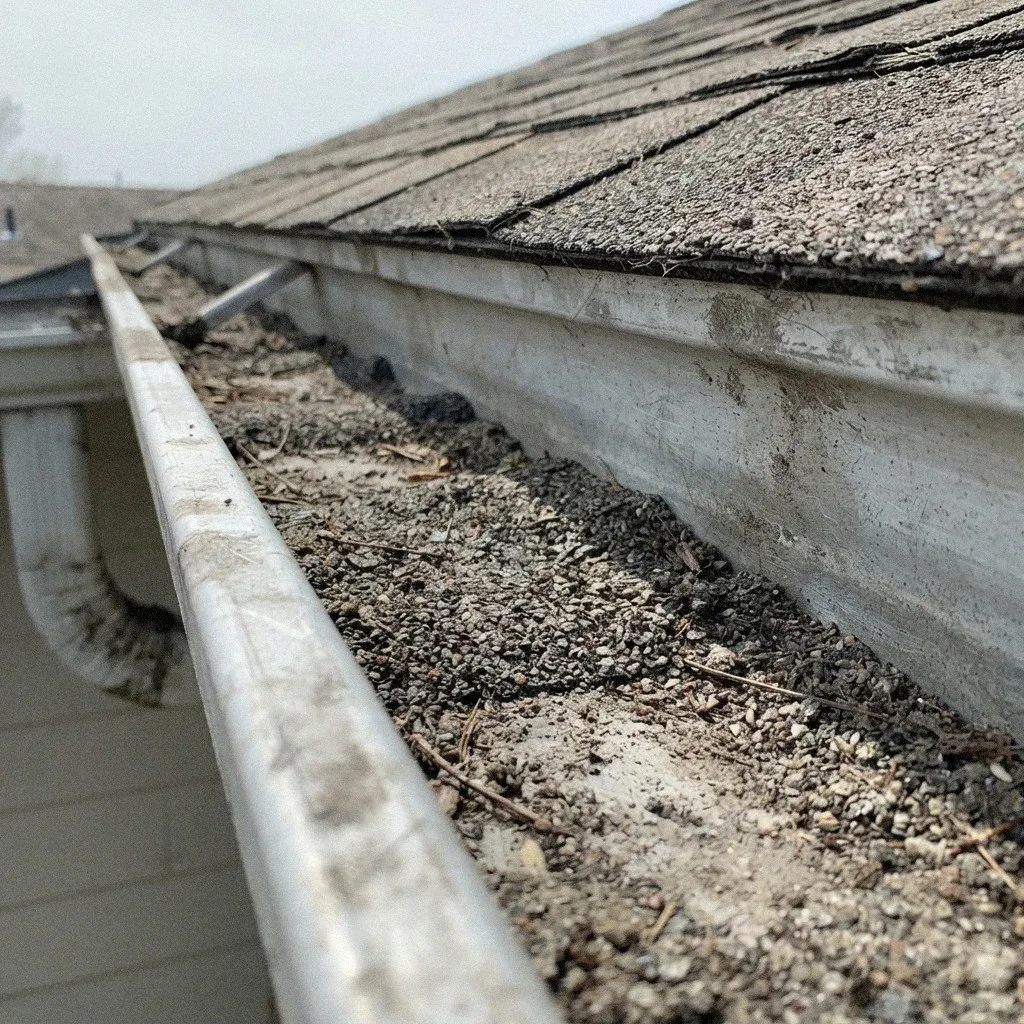
Grit in the downspout is normal on a new roof and a warning on an old one. What separates the two is how much, how suddenly, and whether the shingles above have started to look shiny where the coating has gone.
Read article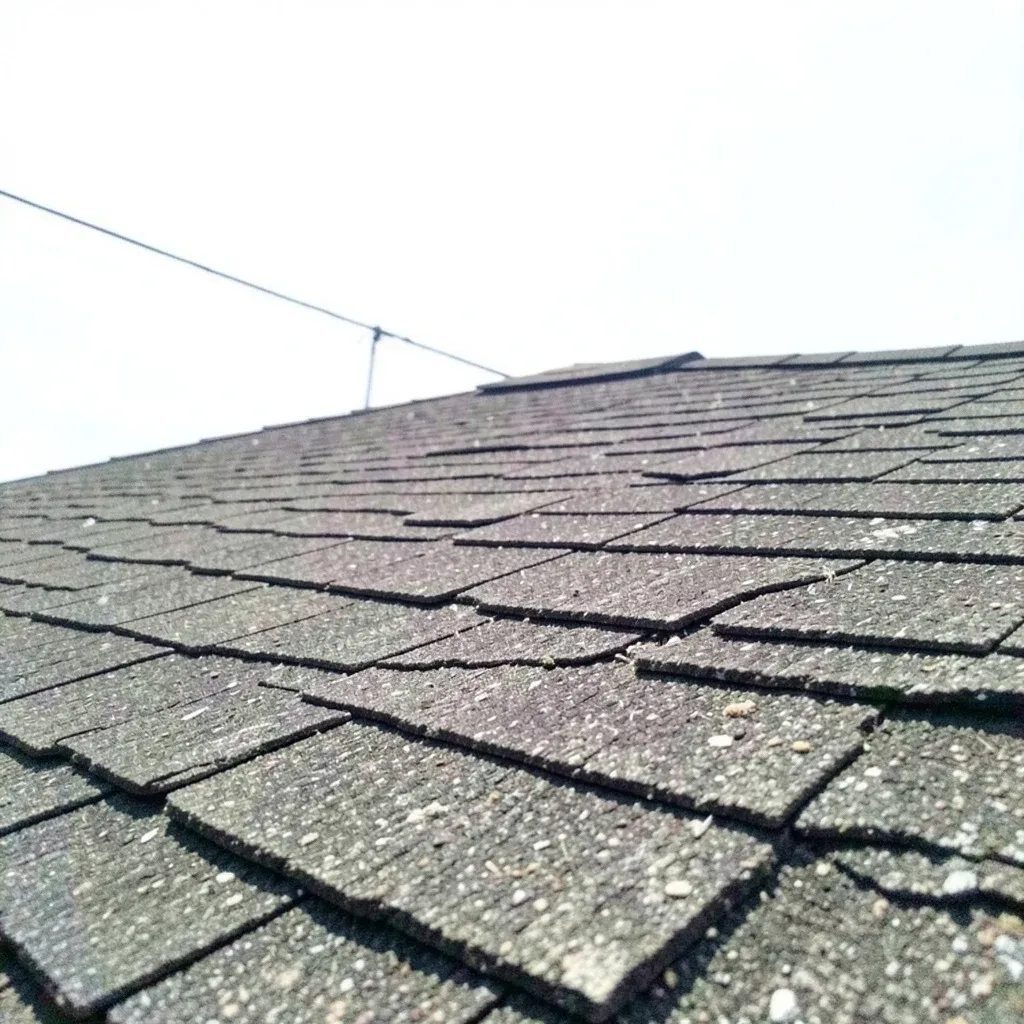
A leaking roof in an Omaha rental raises habitability questions fast. Here's how notice, repair timelines, and tenant remedies work under Nebraska law.
Read articleA homeowner near Aksarben Village or out toward Elkhorn is dealing with a specific roof, not a general one, so the details on this page are a starting point rather than the final word. Age, slope, and how the last hailstorm hit matter more than any single description can capture. From here, the licensed pros we connect with can look at what is actually happening and say what it needs.
Call (833) 566-1459