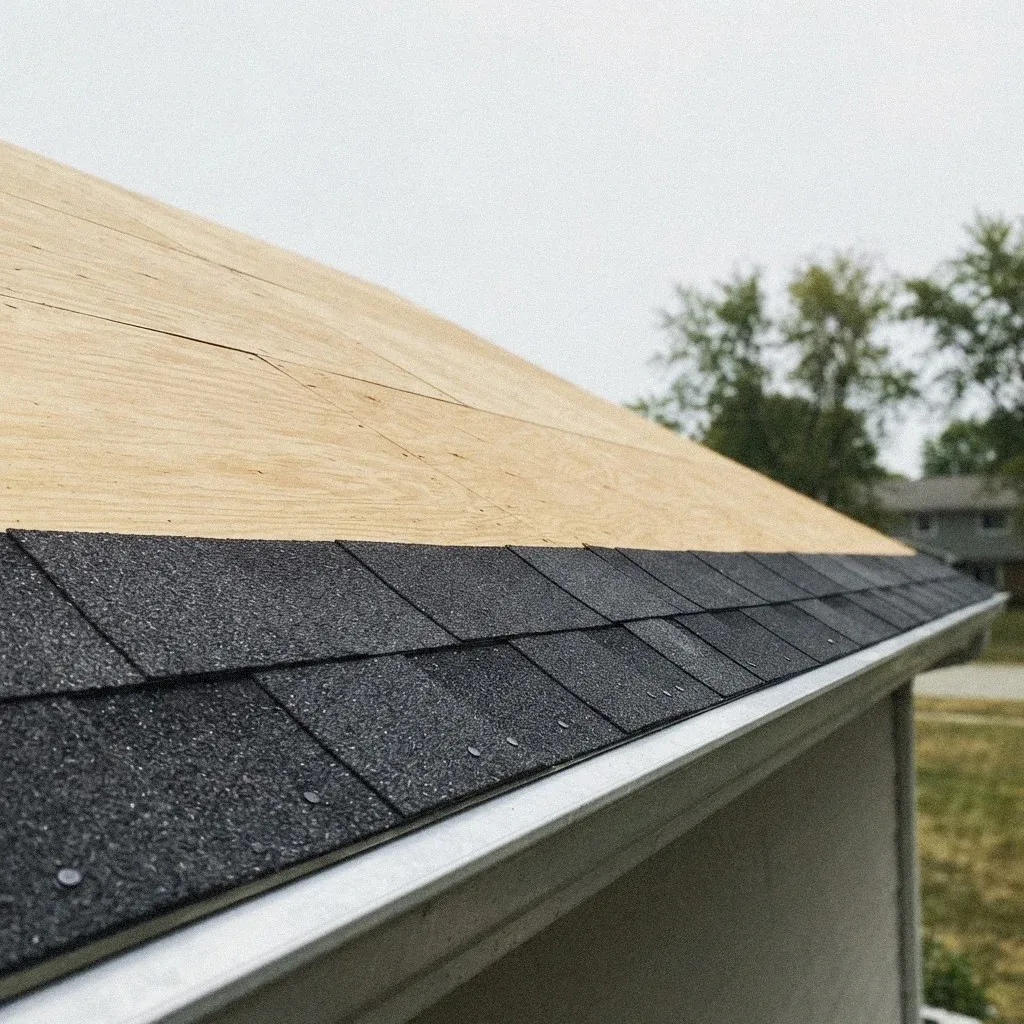
Materials & Types
Architectural vs Three-Tab Shingles, Compared
Two shingle types cover most Omaha roofs, and the difference is more than looks. Here is what separates layers, weight, wind rating, and warranty before you decide.
Read article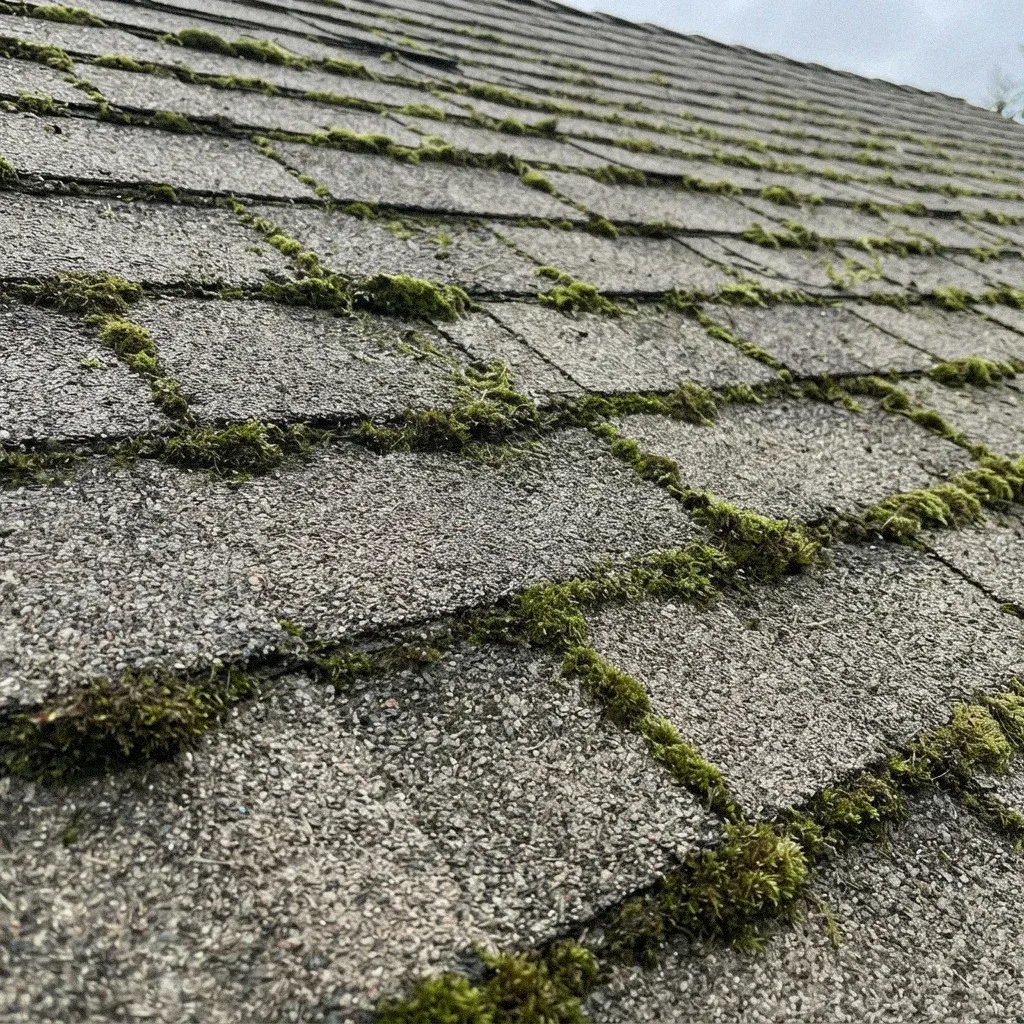
Soft wash roof cleaning that clears moss and algae from shaded slopes without stripping your shingle granules.
Roof cleaning Omaha, NE starts with a soft wash, not a pressure washer, so your shingle granules stay on the roof where they belong.
Call (833) 566-1459 and we connect you with a local licensed pro. Don't wait for growth to lift your shingles.
Good roof cleaners use a soft wash and hand brushing instead of a pressure washer.
A pressure washer strips the granules off an asphalt roof and takes years off it. Call now and we connect you with a local licensed pro who knows the difference.
Roof moss removal services clear the green, raised growth that holds water against your shingles.
Moss takes hold on north slopes and in valleys, where the sun doesn't dry the surface between rains. Once it builds up behind a shingle edge it lifts the tab, and then you're looking at roof repair, not just cleaning.
Roof cleaning and treatment means a soft wash, a hand-brushing pass on stubborn spots, and a treatment left to work on what remains.
Lichen breaks down over weeks, so a roof can look worse for a while before it clears. That is normal.
A walkthrough comes first, to tell you whether you need a cleaning or a repair.
Moss removal and treatment means clearing the growth, then dealing with the reason it grew.
Packed leaves in the valleys, grit at the gutter outlets and twigs behind the chimney hold moisture against the shingles, so they come off first.
A zinc or copper strip near the ridge then slows regrowth on the slope below. It slows moss down; it doesn't end it.
Moss removal and gutter cleaning belong together because debris at the gutter outlets holds moisture against your shingles.
Omaha gets short, heavy downpours, so clear gutters matter, and many local homes have basements below. Book before the next storm and ask for gutter cleaning to be added.
Dark streaks running down a slope are algae. They're mostly a staining problem, and they show most on the shaded side and on lighter shingles.
Thick green growth is moss, and it holds real water. It lifts shingle tabs once it builds up behind the edge.
Flat gray-green spots that look painted on are lichen. It anchors into the shingle, so scrubbing takes granules with it.
Debris in the valleys keeps the surface damp. That damp is where growth starts.
The pro finds out what is on the roof and where, usually in valleys, on north slopes and under overhanging trees. Whether it has lifted shingles decides if this is a cleaning or a repair.
Leaves, grit and twigs come off by hand first. That debris holds moisture against the shingles, and clearing it does more than anything applied afterward.
The treatment is applied and left to work, and stubborn areas are brushed downslope so nothing is driven under the laps. A roof that looks worse for a few weeks and then clears is normal.
A zinc or copper strip near the ridge releases a trace of metal in the rain and slows regrowth on the slope below. It works best on shaded slopes and is worth doing at the same visit.
Roof growth in Omaha is local, not general: north slopes, valleys, and anywhere a mature tree overhangs. That keeps the job targeted instead of a whole-roof wash, and it often points to something else, like a valley nobody has cleared in years.
A pressure washer removes growth by removing the shingle surface with it. The granules block sunlight from the asphalt, so losing them takes years off the roof. No shingle manufacturer permits it, and it can void a material warranty.
Trim the branches that shade the slope and clear the valleys so debris stops holding moisture. A zinc or copper strip near the ridge adds to that. None of it is permanent, but together they buy years.
Most moss removal & roof cleaning jobs in Omaha fall inside these ranges. The inspection costs nothing and the exact figure is written down before any work starts.
| What's Included | Local Risk Factor | Question To Ask |
|---|---|---|
| Some crews only handle tear-off and reload, moving fast but skipping the harder parts. Flashing around chimneys, valleys, and skylights takes more attention than a simple shingle swap, and that step separates a roof that holds up through freeze-thaw cycling from one that fails at the first hard rain. | Roof plus gutter check from the ground, written notes only | an estimated $280–$1520 |
| A company that splits its time between gutters, siding, and roofs brings less roof-specific judgment to a reroof than one that works on roofs daily. Ventilation mistakes, wrong nail patterns, and skipped underlayment show up years later as leaks, not on inspection day when they'd still be cheap to fix. | Strip old shingles, add underlayment rated for freeze-thaw, reset pipe boots | an estimated $400–$2080 |
| A low bid rarely explains what it leaves out. Skipped ice-and-water shield, minimal flashing, or a vague ventilation plan can make a number look better on paper while setting up problems that cost more than the difference once winter arrives. | Reroof plus fascia repair where rot found, no interior ceiling work | an estimated $520–$2880 |
| A crew that only reroofs, day after day, sees the same failure points on repeat: cracked pipe boots, undersized drip edge, valleys patched instead of replaced. That repetition means fewer guesses mid-job and fewer surprises once the old layer comes off. | Whole-property reroof across multiple planes, decking replaced where soft | an estimated $720–$4160 |
Insurance checks for storm damage often arrive in two parts, with a second payment released after the work is done. A contractor asking to be paid the full amount up front is asking you to skip that structure.
Almost certainly algae, not moss. Algae is flat, dark and streaks downward with the water, while moss is green, raised and holds water. Algae mainly stains, but moss actively lifts shingles.
Not usually on its own. Lichen takes granules with it when scrubbed off, so damage tends to come from removing it badly. It does tell you the slope stays damp, so look at shade and valley debris.
They slow moss down but don't stop it. Rain carries a trace of metal down the slope and discourages regrowth below the strip, and nothing above it. They're cheap enough to fit at the same visit, but trimming branches matters more.
No. Pressure washing removes the shingle's granules along with the growth and drives water up under the laps. A soft wash treats the growth without that damage.
Moss removal & roof cleaning in this area typically falls between an estimated $400–$1600 per job. The free inspection is what turns that range into an exact number, and you see it in writing first, with the per-sheet rate for any bad decking on it.
Two roofers can walk the same roof and hand back different scopes of work. Ask each one to write down what they saw on the decking and in the attic, not just what they plan to install on top of it.
Two shingle types cover most Omaha roofs, and the difference is more than looks. Here is what separates layers, weight, wind rating, and warranty before you decide.
Read article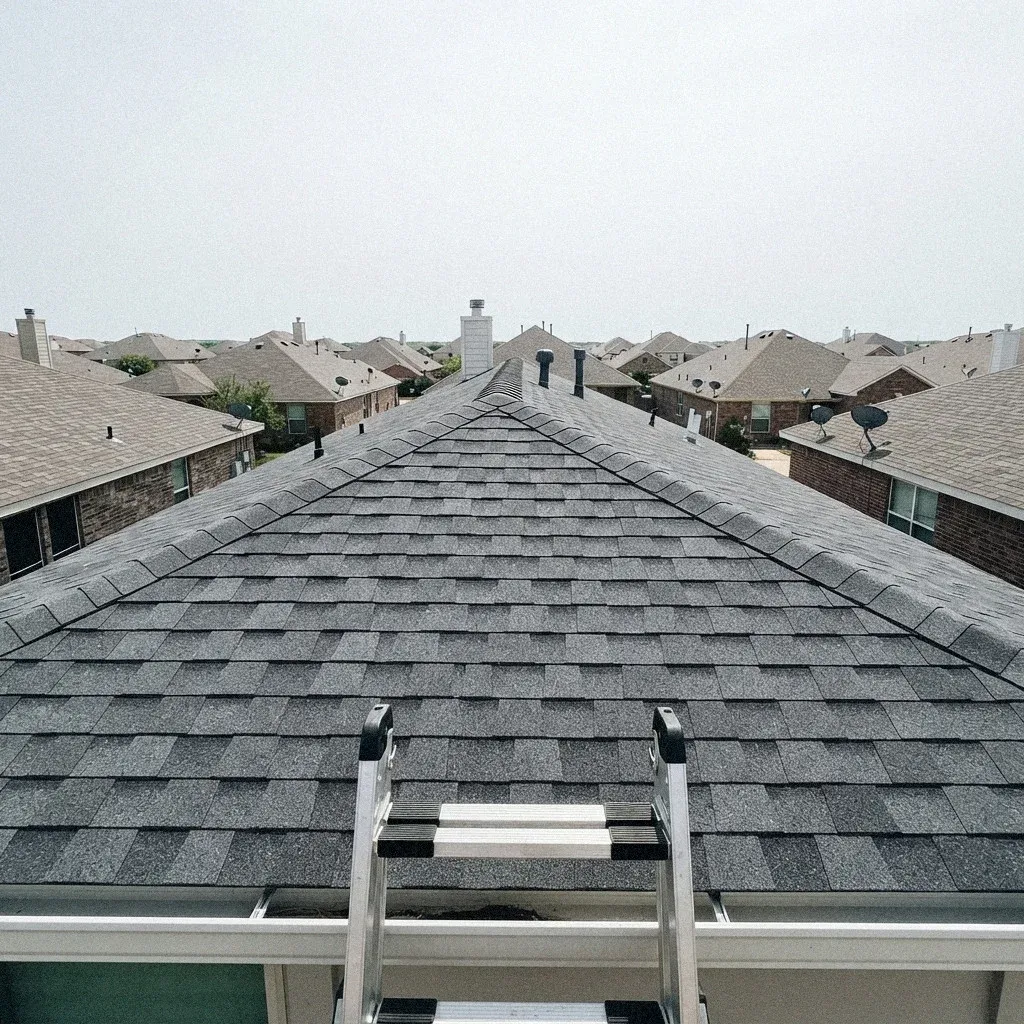
Dry, mild stretches between Omaha's spring hail season and winter freeze-thaw let sealant strips bond properly, which is why timing a reroof matters as much as the materials chosen.
Read article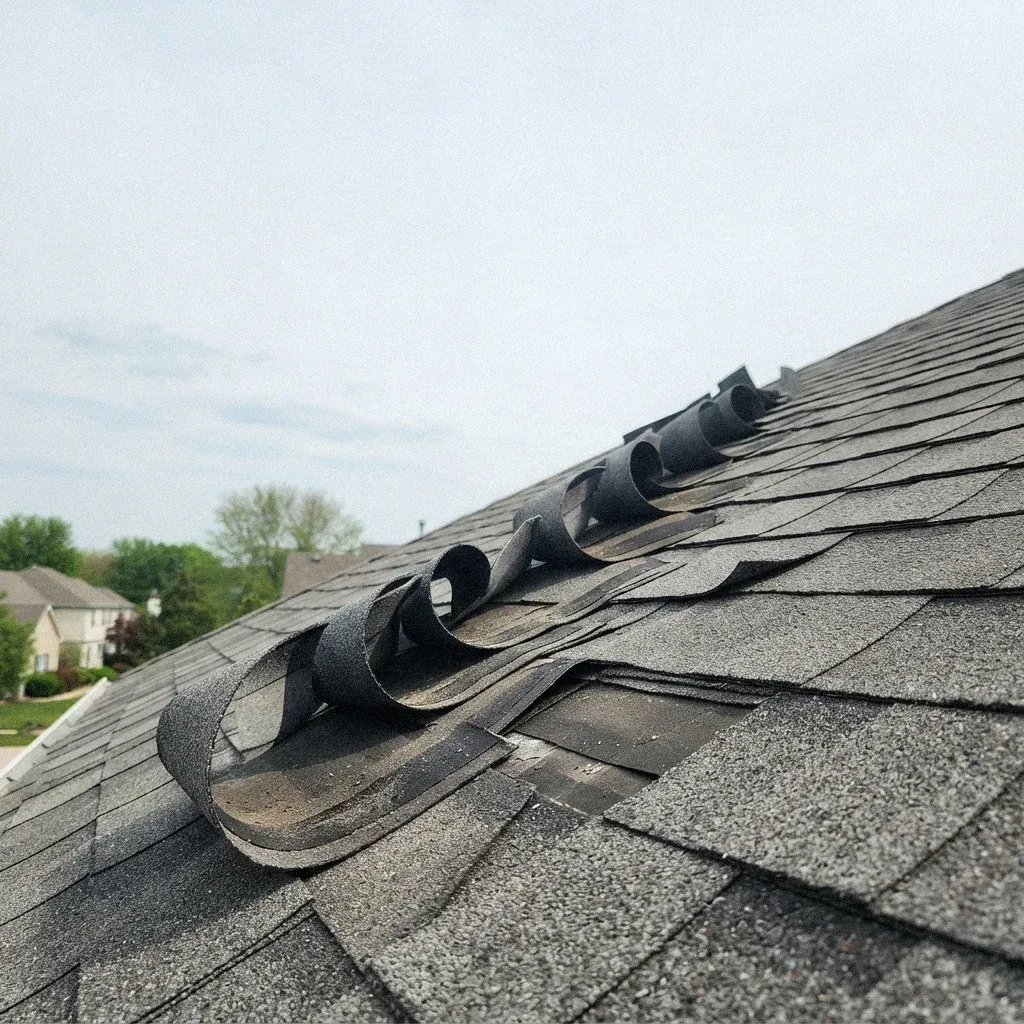
You can, and plenty of Omaha houses change hands that way. What decides whether it costs you is documentation: a written inspection, any hail history, and whether an old claim was ever properly settled.
Read articleA homeowner near Aksarben Village or out toward Elkhorn is dealing with a specific roof, not a general one, so the details on this page are a starting point rather than the final word. Age, slope, and how the last hailstorm hit matter more than any single description can capture. From here, the licensed pros we connect with can look at what is actually happening and say what it needs.
Call (833) 566-1459