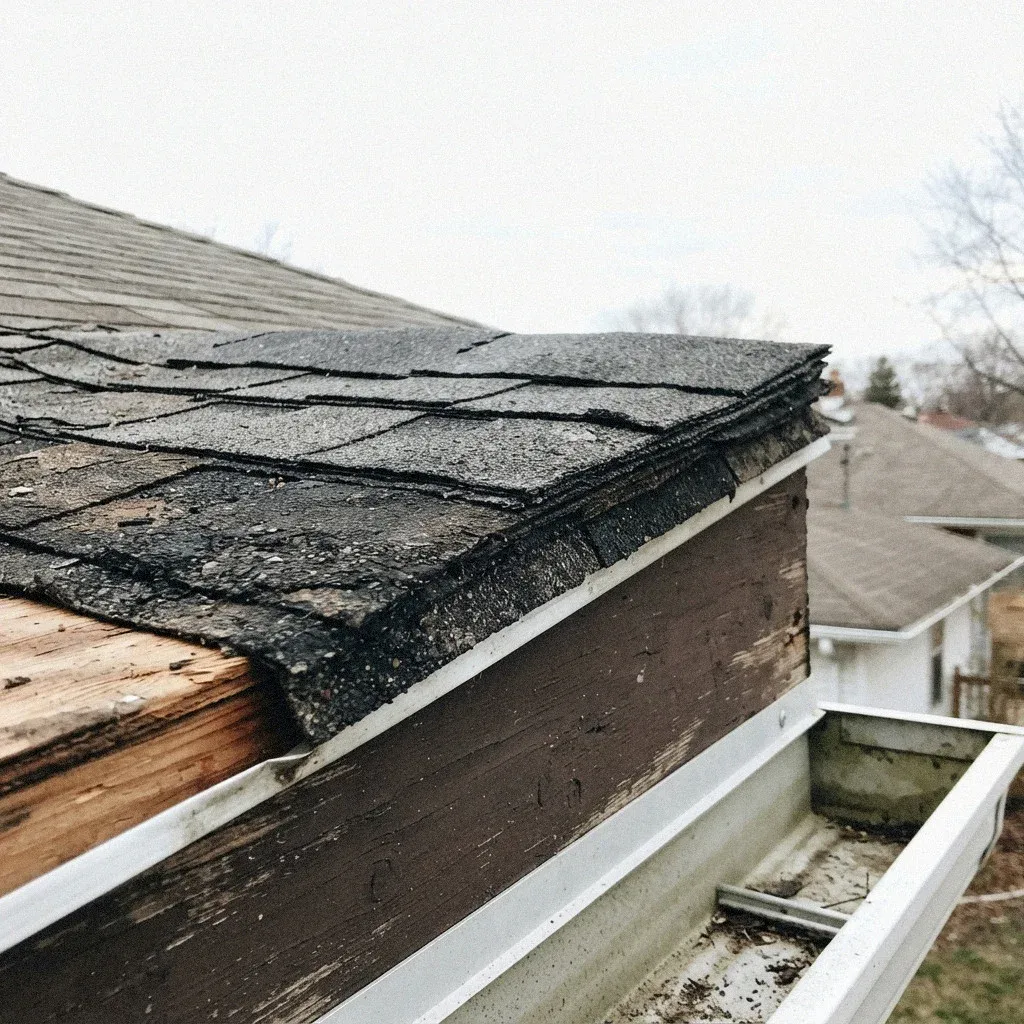
Roof Replacement
Every layer stripped to the deck, rebuilt right, on your schedule.
Learn about Roof ReplacementRanch and split-entry roofs from Millard's 1970s-90s boom, aging out together.
Millard sits about 10 miles west of downtown Omaha, built out as its own town before Omaha's 1971 annexation brought it inside city limits. Old Millard and the 132nd Street corridor anchor the area, with subdivisions platted mostly between 1970 and 1999 spreading west from there.
Sharp temperature swings, freeze-thaw cycling, and spring hail wear on a roof steadily, not just during one bad storm.
Roofline shape changes how a roof ages, not just how it looks. Steep sections shed hail and shed snow before it packs into ice; flatter runs and valleys hold both longer, stressing shingles and flashing through Omaha's freeze-thaw swings. Older homes with additions often mix both pitches on one roof, so wear shows unevenly across the same house.
Water entering high on a roof can travel along a rafter or framing member before it ever shows on a ceiling below, so a stain in one room does not always mean the leak sits directly above it — tracing the path matters more than guessing.
Ranch and split-entry roofs built during Millard's suburban boom are now old enough that flashing and shingles have logged three decades of Nebraska temperature swings. Spring hail across this corridor tends to hit an entire plat at once, not just scattered roofs. Winter here isn't just cold, it's cold that freezes and thaws repeatedly, and that cycling is what actually wears down shingles and flashing over years. A roof doesn't need one brutal night so much as dozens of freeze-thaw swings stacked across a season.
Sites like Millard Public Schools mean plenty of tenanted and mixed-use buildings in Millard. Access coordination is half the job - work outside trading hours, and a written record with photographs for each visit.
These are the ranges we quote most often in Millard. Size of the property and how far the problem has spread move the number within them.
| Service | Estimated cost |
|---|---|
| Roof Replacement | an estimated $11000–$30000 |
| Storm & Wind Damage Roof Repair | an estimated $900–$7500 |
| Roof Ventilation & Attic Airflow | an estimated $450–$2600 |
| Gutter Cleaning & Gutter Guards | an estimated $175–$500 |
Old Millard is the original town core that existed before the 1971 annexation, and it still reads as its own place inside Omaha, with a tighter, older lot line pattern than the subdivisions built up around it later.
132nd Street runs as the main arterial through Millard, and most of the subdivisions built off it in the 1970s through 1990s sit on interior streets and cul-de-sacs well back from the traffic noise.
Millard Airport once served the area before it became a fully residential part of Omaha, and its former grounds still mark the rough edge where the older platted streets give way to newer construction.
Every layer stripped to the deck, rebuilt right, on your schedule.
Learn about Roof Replacement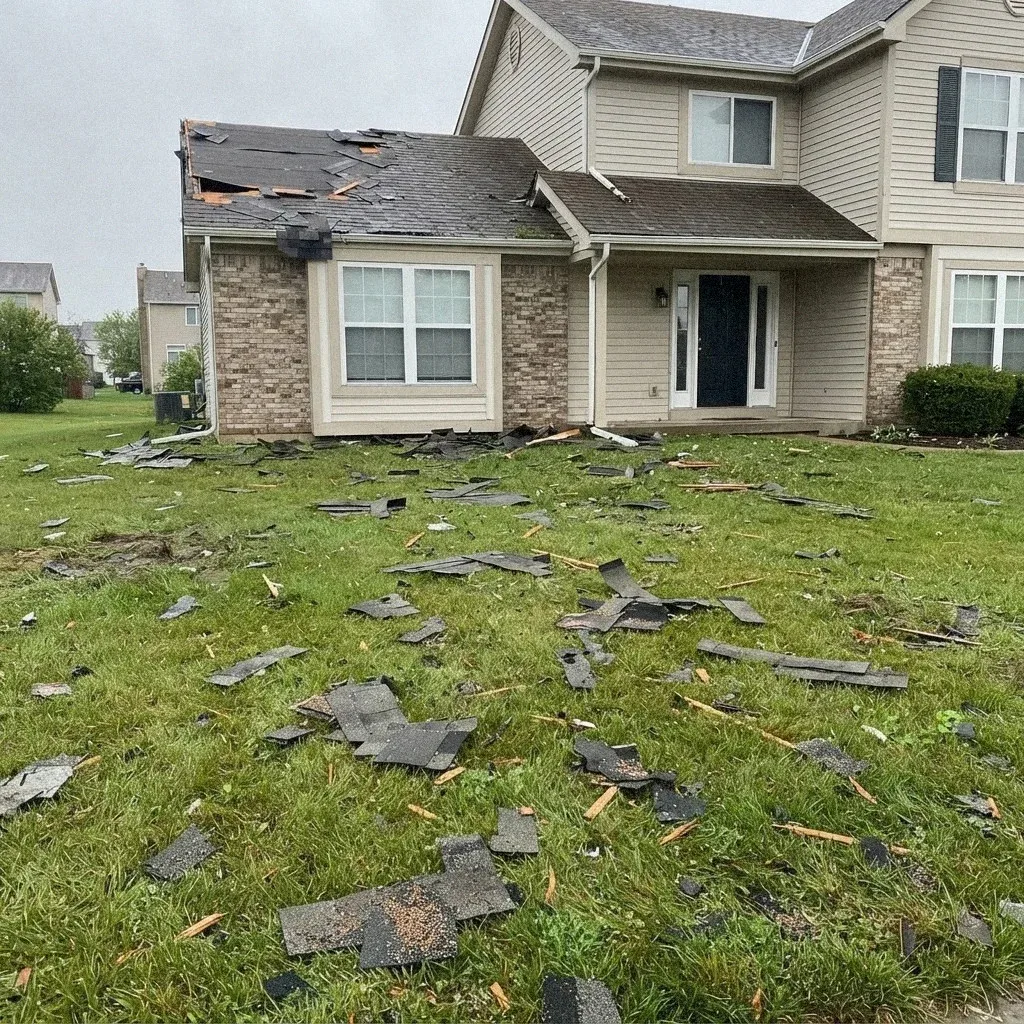
Hail and wind damage found, documented and repaired across Omaha.
Learn about Storm & Wind Damage Roof Repair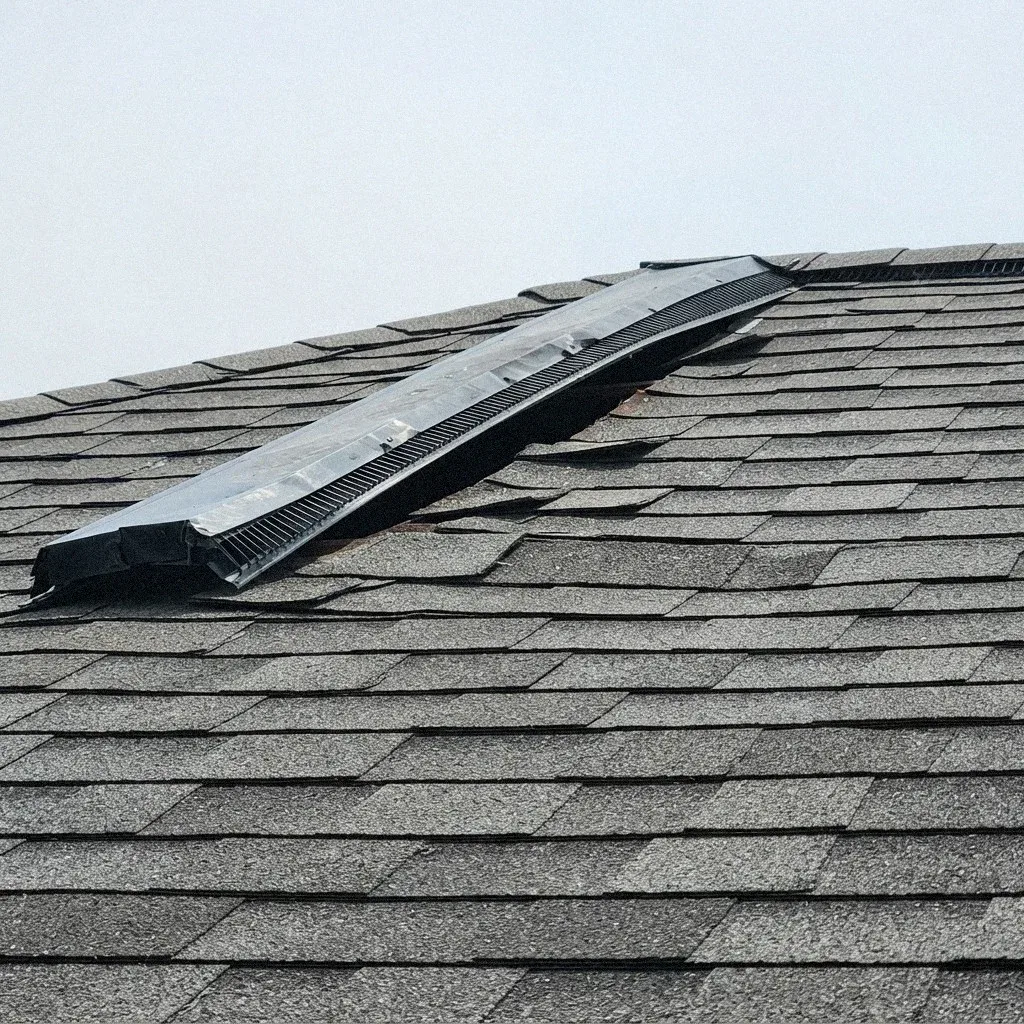
Balanced intake and exhaust for Omaha attics, soffit to ridge.
Learn about Roof Ventilation & Attic Airflow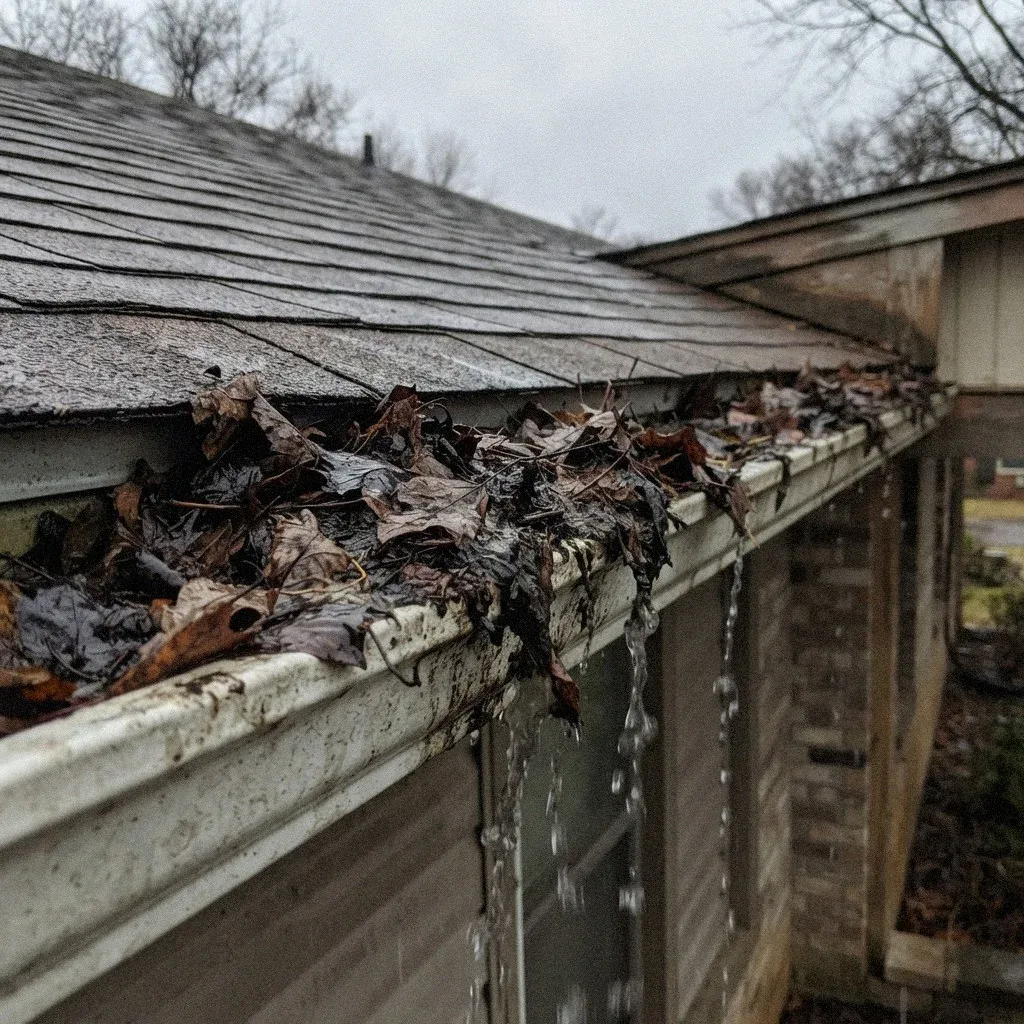
Gutters and downspouts cleared, with guard options that stretch the time between visits.
Learn about Gutter Cleaning & Gutter GuardsMost of Millard was built out between 1970 and 1999, so a large share of roofs here have either been replaced once already or are due. That clustering is the thing to know: a plat put up in one stretch of years comes due together, which is why one hailstorm can produce a run of claims along the same street rather than a single one.
Millard's housing stock is mostly ranch, split-entry, and tri-level homes, and the rooflines follow the house style: simple gables on ranches, and slightly more complex intersecting rooflines on split-entry and tri-level layouts where the garage sits at a different level than the main floor.
Yes. Millard was a separate town until Omaha annexed it in 1971, and it has been part of the city since. That matters for a roof because permits and inspections go through the City of Omaha Planning Department rather than a town office, and Omaha code applies. The Millard name survives in the school district and in how people give directions.
Because most of Millard's houses were built in the same 30-year stretch, whole blocks tend to reach the end of a shingle's service life around the same time. A hard spring hailstorm through the 132nd Street corridor can leave several streets of same-era roofs needing attention in the same season.
Split-entry and tri-level homes have more roof-to-wall intersections than a plain ranch, since the garage and entry sit at a different level than the main roof. Those transition points are where flashing wears first, and after 30 years of Omaha freeze-thaw cycles they're often the spot where a leak actually starts.
Evenings, weekends, and public holidays are all covered for Millard through the emergency line. Routine bookings here typically go out within a day or two, helped by the fact you are 10 miles west of downtown Omaha, Old Millard and the 132nd Street corridor. Describe the situation on the phone and you will get a straight answer on whether after-hours is genuinely warranted.
Every part of Omaha answers to the same hail season and the same winter freeze-thaw, but not in the same way. An older home near Hanscom Park with decades of roofing history wears differently than a newer build out toward Elkhorn on its original shingles. Proximity to Papillion Creek or the Missouri River floodplain changes the drainage story too. The licensed pros we connect you with know how these local differences show up on an actual roof, not just a map.
Call (833) 566-1459