A roof in Omaha rarely gives out because of one bad hailstorm. Most roofs here wear out gradually, worn down by a cycle that repeats every winter: water gets under the surface, freezes, expands, and loosens whatever it touched. By the time a homeowner in Dundee or Benson notices curling shingles or a soft spot near a chimney, that cycle has usually been running for years, not months.
Freeze-Thaw Cycling And Flashing
Omaha's temperature swings between a January average low around 17°F and warm spring afternoons put real stress on roofing materials. Water that seeps under a shingle edge or into a flashing seam freezes overnight, expands, and pries the material apart a little more each time. Flashing around chimneys and vent pipes takes the worst of it, since metal and shingle expand at different rates as temperatures swing.
Shade From Mature Tree Canopy
Older neighborhoods like Field Club, Hanscom Park, and Fairacres carry decades of mature tree canopy, and that shade keeps sections of roof damp long after a sunny section next door has dried. Shingles under heavy shade hold moisture longer after rain or snowmelt, and that extended dampness accelerates granule loss and encourages the kind of surface breakdown that shows up as dark streaking over time.
Debris Buildup In Valleys
A valley carries more water than anywhere else on the roof, so anything sitting in one is sitting in the wettest place available. Packed leaves and grit hold moisture against the shingles and against the valley metal underneath, and in winter they give ice something to build on. Two clearings a year does more for a roof here than most of what gets sold as maintenance, and it costs a fraction as much.
Poor Drainage And Standing Water
Low-slope additions and porch roofs, common on older Omaha homes in areas like Field Club and Morton Meadows, depend on slight pitch alone to move water off. There's no steep angle helping gravity along, so a slow drain or a slightly undersized gutter run lets water sit longer than the shingle underneath was built for. Over several Omaha winters, that standing moisture works into seams and fastener lines, softening the mat from underneath even while the top surface still looks intact from the ground.
Flashing Details That Fall Short
Flashing is where an Omaha roof usually fails first, not the open shingle field. A step-flashing run along a chimney or dormer that was cut short, or a valley flashing nudged loose by a hailstorm, opens a path water finds every time it rains. Freeze-thaw cycling through an Omaha winter makes this worse, since ice at the frost line's edge on a cold roof deck can lift a flashing edge just enough to widen a gap that started as a hairline the season before.
Trapped Moisture In The Attic
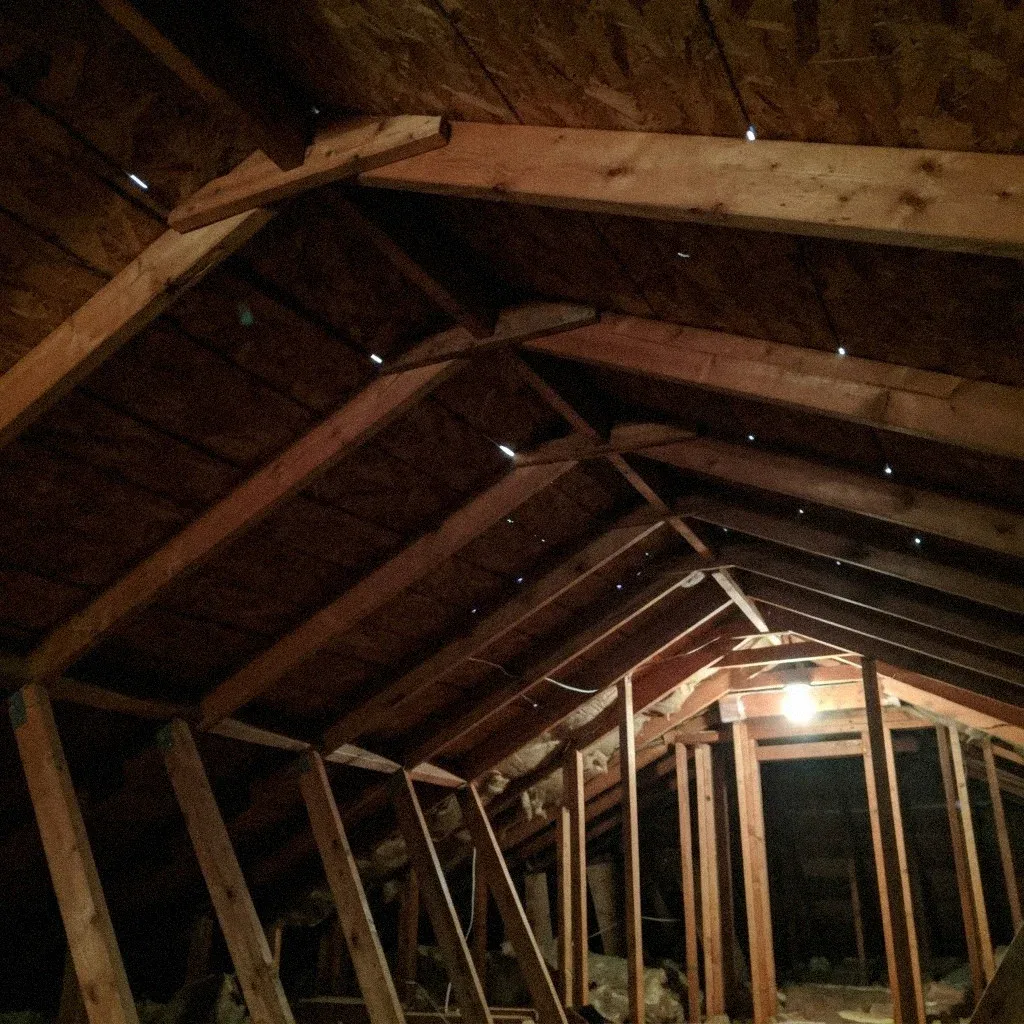
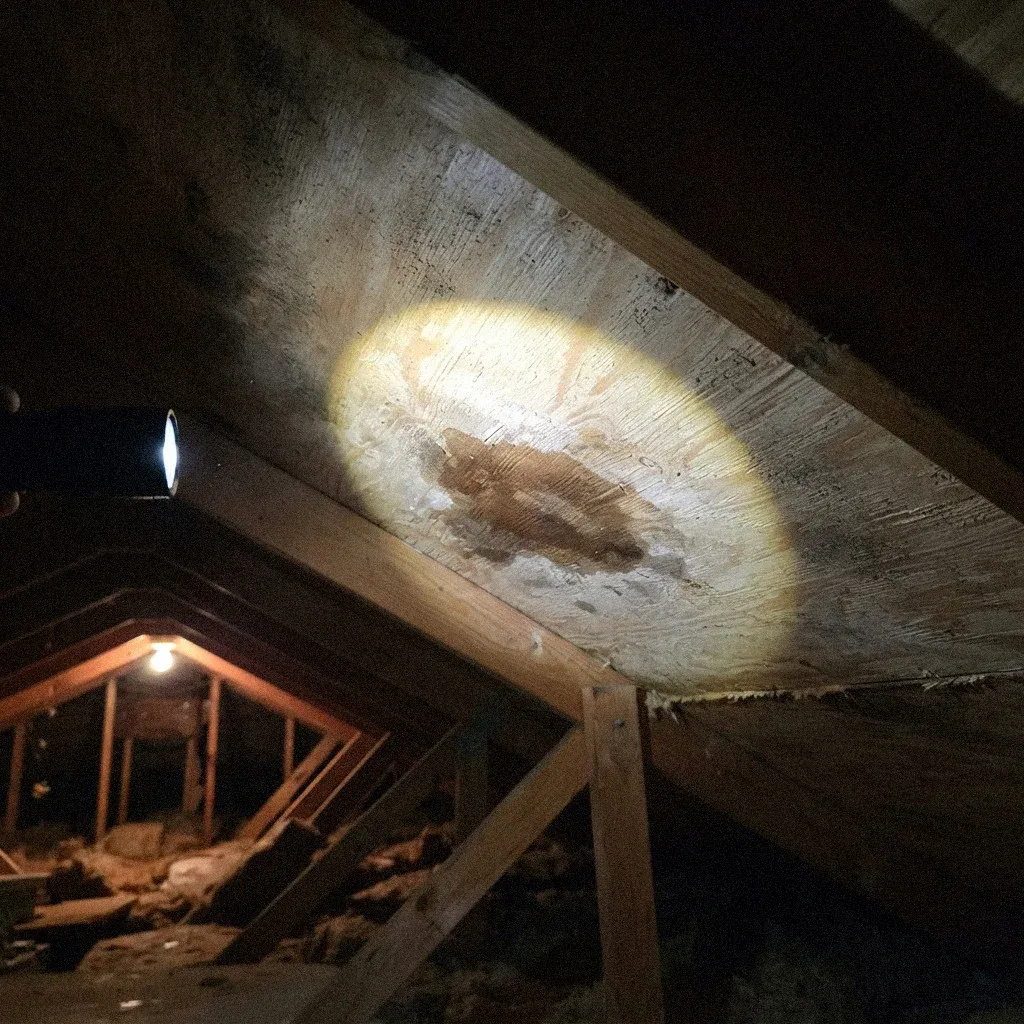
A roof is cooled and dried from underneath, and an attic that cannot breathe does neither. Warm damp air from the house rises, meets the cold underside of the deck, and condenses there through a Nebraska winter. The wood never fully dries, the fasteners rust, and the sheathing softens years early. None of that is visible from outside, which is why it is the commonest hidden reason a roof here fails ahead of schedule.
How North Slopes Age Faster
Composition shingles installed decades ago in neighborhoods like Gifford Park and Kountze Place age differently than newer construction farther west toward Elkhorn, mostly because of how the deck underneath was built. Older plank decking laid with gaps breathes differently than modern plywood sheathing, and that changes how quickly moisture that gets past a shingle actually leaves. A roof that can't shed trapped humidity through its own deck stays damp longer after every Omaha rain, and repeated dampness is what pulls years off shingles that otherwise look fine from the street.
Combined Sewer Areas And Runoff
Parts of older Omaha, including areas near downtown and the Old Market, sit on a combined sewer system that carries stormwater and sanitary sewage in the same pipes. That does not change what happens on the roof itself, but it does mean gutters and downspouts around these older homes carry more consequence if they fail, since water that a clogged gutter dumps at the foundation has fewer places to go during a heavy rain.
Reading The Early Warning Signs
Curling shingle edges, dark streaking, and granules collecting in the gutter bottom are the visible signs that repeated wetting and freezing have already been at work. None of these appear overnight. A homeowner in Millard or Elkhorn who checks the roofline after a spring thaw is more likely to catch these signs early, while they are still cosmetic rather than a source of an active leak.
A Maintenance Habit Worth Keeping
Two visits a year covers most of it: one in late fall to clear the valleys and gutters before the snow, and one in spring to see what winter left behind. Photograph the same four elevations each time from the same spots, so next year you are comparing rather than guessing. A roof caught with one soft sheet is a very different quote from one caught with twelve.
When A Second Look Makes Sense
Some signs of premature aging are easy to miss from the ground, especially on a two-story home or one with a steep pitch. If a homeowner near Aksarben Village or South Omaha notices a ceiling stain, granule buildup in the gutters, or ice forming in an unusual pattern along the eaves, a closer look at the roof from someone familiar with these patterns can catch a small problem before it becomes a bigger one.
Dealing with this in your home?
Omaha roofs fail on their own timeline. Dundee and Benson still have prewar homes with basements below, where a clogged gutter means water finding its way down, not just across. Blocks near Elkhorn or Millard face the same April hail but newer decking. Same city, same spring, different repair.