An insurer looking at an Omaha roof asks one question first: did something happen, or did the roof just get old? A hailstorm that hit Millard last spring is something that happened. Thirty summers of sun and thirty winters of freeze-thaw cycling are not. That line, sudden event against gradual decline, decides more claims than any argument over dollar amounts, and it is worth understanding before a homeowner in Dundee or Benson ever calls an adjuster.
What Counts as a Covered Peril
A covered peril is a named, specific event in the policy, like a hailstorm that moves through West Omaha in late spring or straight-line winds that snap a branch onto a roof near Elmwood Park. It has a clear cause and a clear moment. Wear from years of sun and temperature swings is not a peril in this sense, because nothing distinct happened; the roof just got older one season at a time.
The Date of Loss Explained
The date of loss is the day the damage happened, not the day you noticed it, and it is the single most important line on a claim. It fixes which policy applies, whether you reported inside the window, and which storm the insurer checks against the weather record. If you are not certain, say what you do know rather than guessing, because a date that does not match the record invites a closer look.
Sudden and Accidental Means This
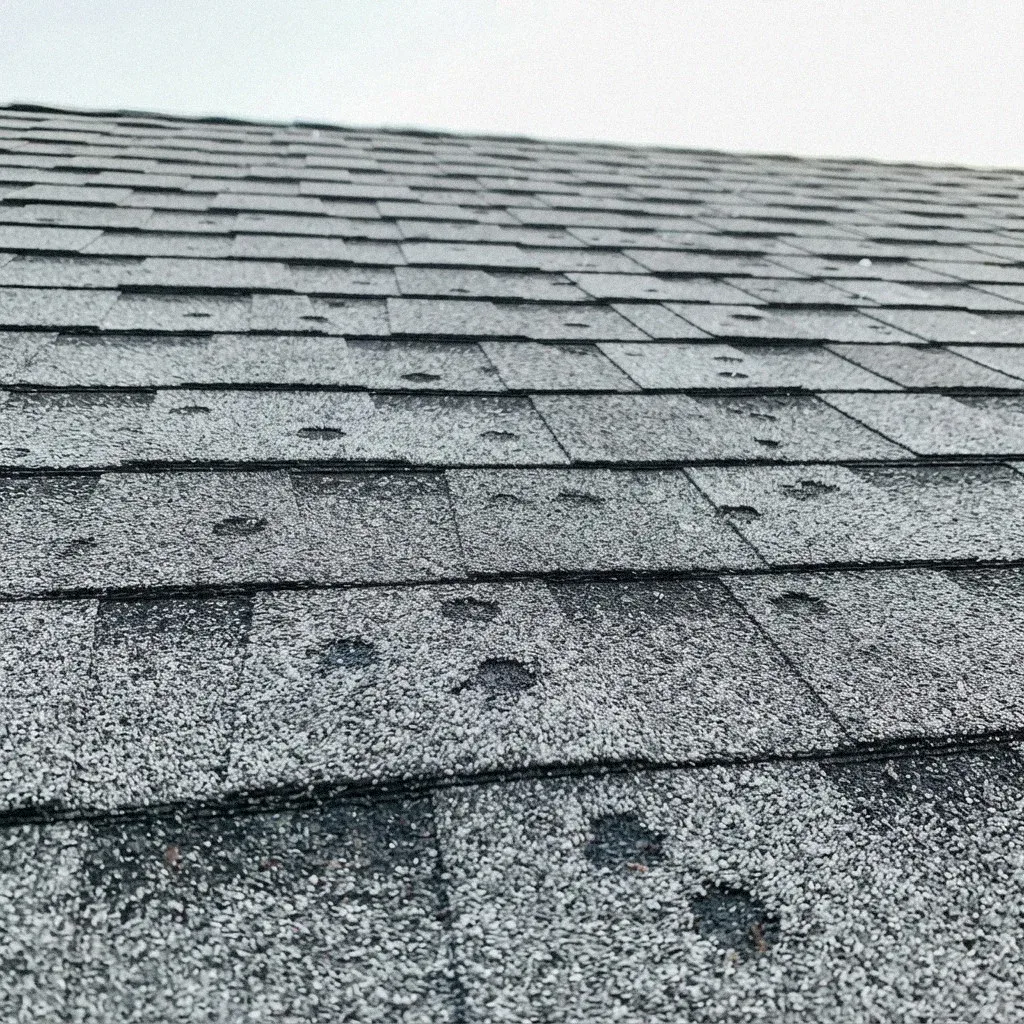
Sudden and accidental describes damage from one identifiable occurrence, not a slow slide. A branch coming down on a house near Elmwood Park during a windstorm fits. A hail bruise from a spring storm that left soft spots across the shingles fits. What does not fit is a roof that leaked because the granules wore thin over many Omaha winters with no single event behind it.
How Gradual Wear Actually Shows Up
Gradual deterioration is damage with no single trigger, built up over time. Granule loss spread evenly across a roof, moss creeping along a shaded north slope in Benson, or flashing that slowly separated after repeated freeze-thaw cycling all read this way to an adjuster. There is no storm date behind it, just years of ordinary exposure adding up the way any roof eventually shows its age.
The Wear and Tear Exclusion
Most Omaha homeowner policies carry a wear and tear exclusion, which removes coverage for damage from ordinary aging rather than a specific event. It is the standard the insurer applies once gradual deterioration is suspected instead of a storm. A roof that simply outlived its expected service life, without a triggering event, generally falls on this side regardless of how much damage shows up during inspection.
Where the Maintenance Exclusion Applies
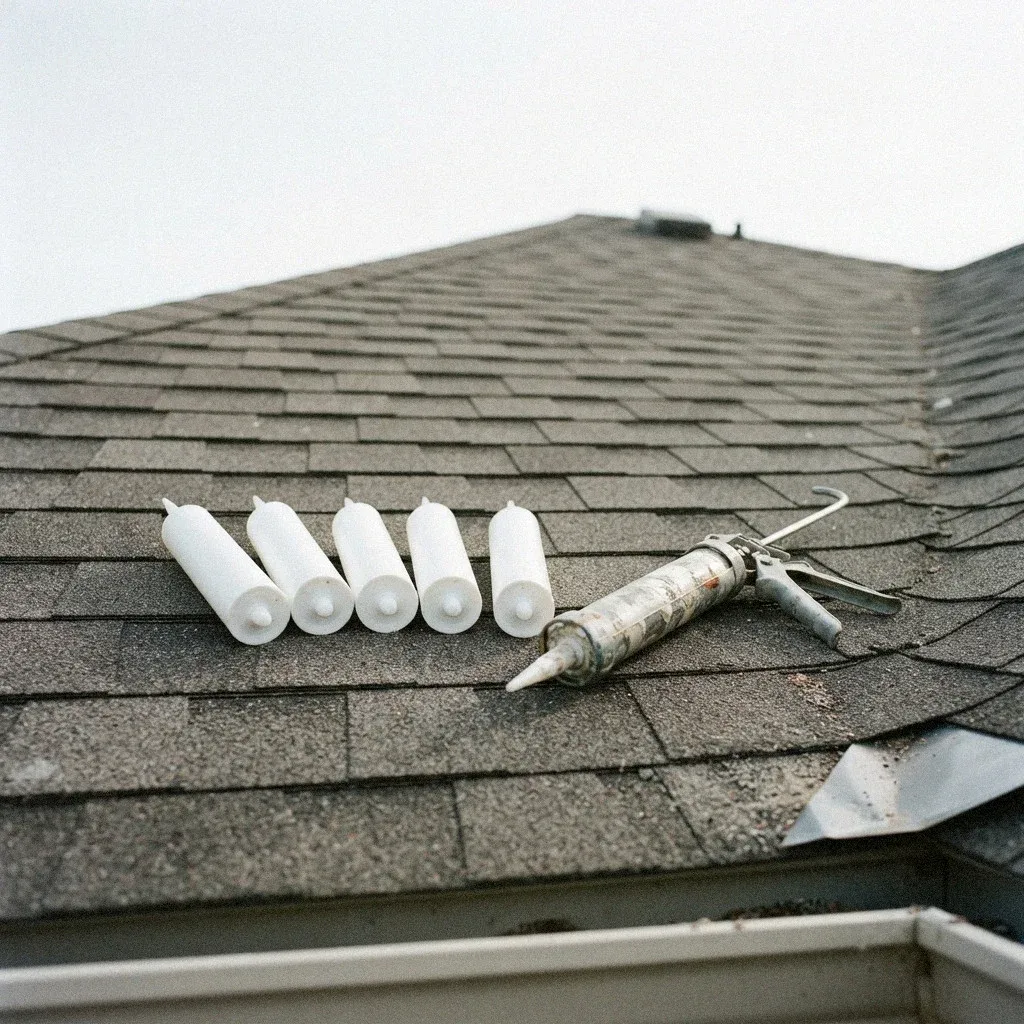
A maintenance exclusion applies where a homeowner could have caught a problem before it caused damage. Gutters near Papillion Creek left clogged for seasons, flashing that pulled loose and was never resealed, moss that spread across a north-facing slope in Florence, these are treated as neglect, not as a covered event. The exclusion is not about age; it is about a condition that had time to be noticed and was not addressed.
Functional Damage vs. Cosmetic Damage
Adjusters weigh functional damage, meaning the roof no longer keeps water out, against cosmetic damage, which affects appearance without affecting performance. A wind crease that breaks the shingle's seal is functional. Discoloration from age, or a hail bruise that dented the mat without breaking it, often gets classified as cosmetic, which is a common point of disagreement on Omaha claims after a hail event.
Why Age Alone Never Decides It
An insurer cannot deny a roof claim on age by itself. A twenty-year-old roof in South Omaha can suffer the same sudden, covered loss as a five-year-old roof in Aksarben Village, and the policy has to respond the same way if a real event caused it. Age can affect what gets paid, but it is not, on its own, a valid reason to deny that something happened.
What the Adjuster Inspection Checks
During an adjuster inspection, the inspector looks for a pattern consistent with a specific event: hail bruises clustered on the slope that faced a storm coming off the Missouri River, or a uniform wind crease pattern on one side of the roof. Scattered, inconsistent wear across the whole roof, with no directional pattern, tends to point toward gradual deterioration instead.
Depreciation Applies Either Way
Even on a clearly covered event, most policies pay the depreciated value first and release the rest once the work is done and invoiced. On an older roof that first payment can look far too small to do the job. That is not a denial, it is how the policy is written, and understanding the difference between actual cash value and replacement cost before the check arrives saves a great deal of frustration.
Reading Your Own Roof First
Before calling anyone, a homeowner can look at their own roof with this line in mind. Is there a wind crease running across a slope, or a hail bruise pattern on the fields? Both point to a specific event. Is the damage instead a slow curl at the edges, granule loss spread evenly across every field, flashing that has clearly been loose for years? That pattern points the other way, and knowing which one is on the roof shapes the conversation with an adjuster before it starts.
Dealing with this in your home?
Omaha roofs fail on their own timeline. Dundee and Benson still have prewar homes with basements below, where a clogged gutter means water finding its way down, not just across. Blocks near Elkhorn or Millard face the same April hail but newer decking. Same city, same spring, different repair.