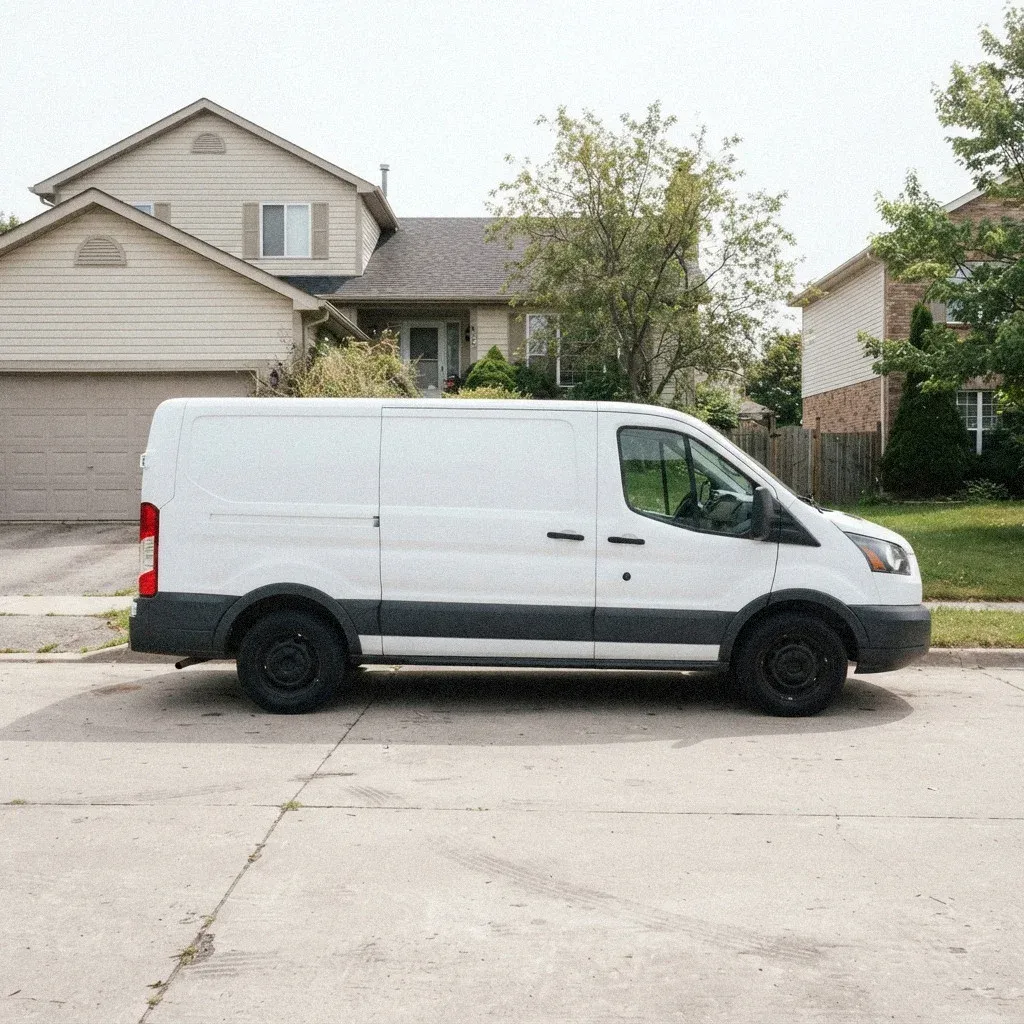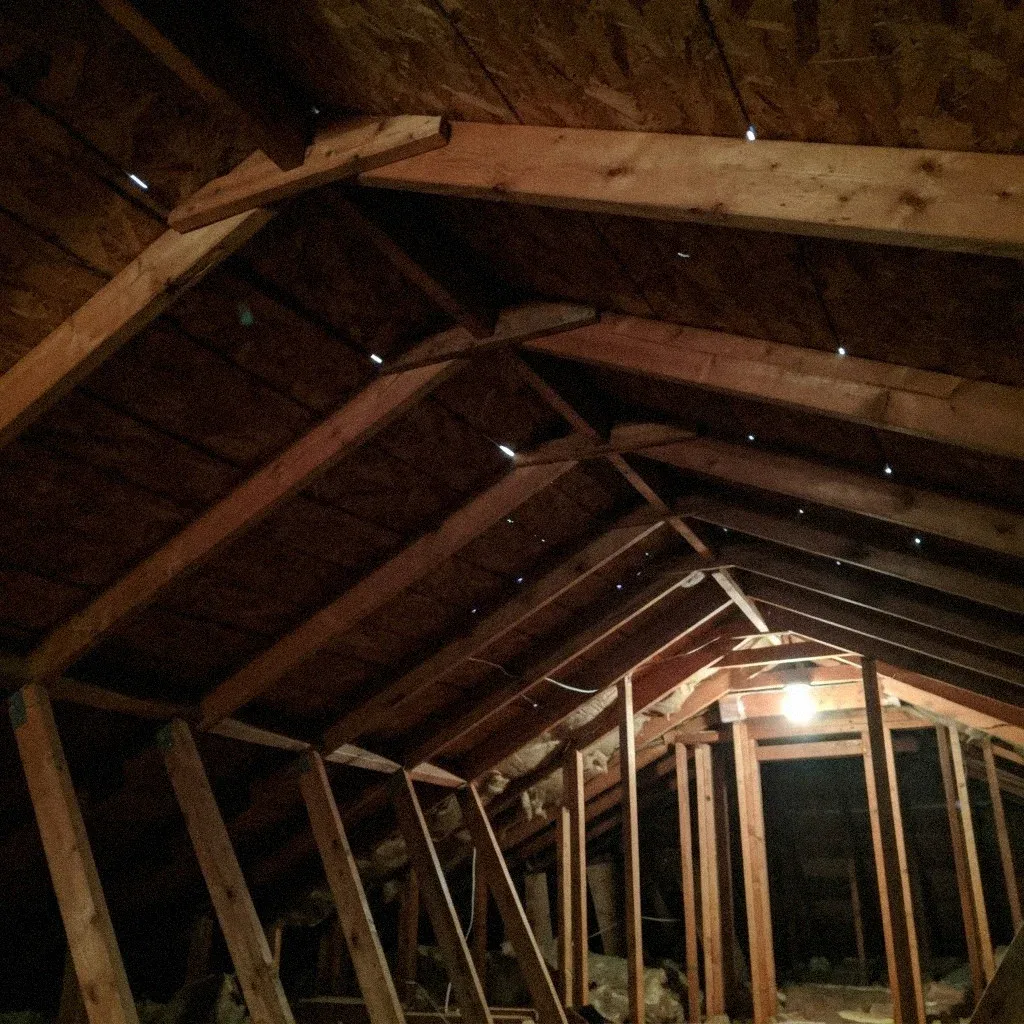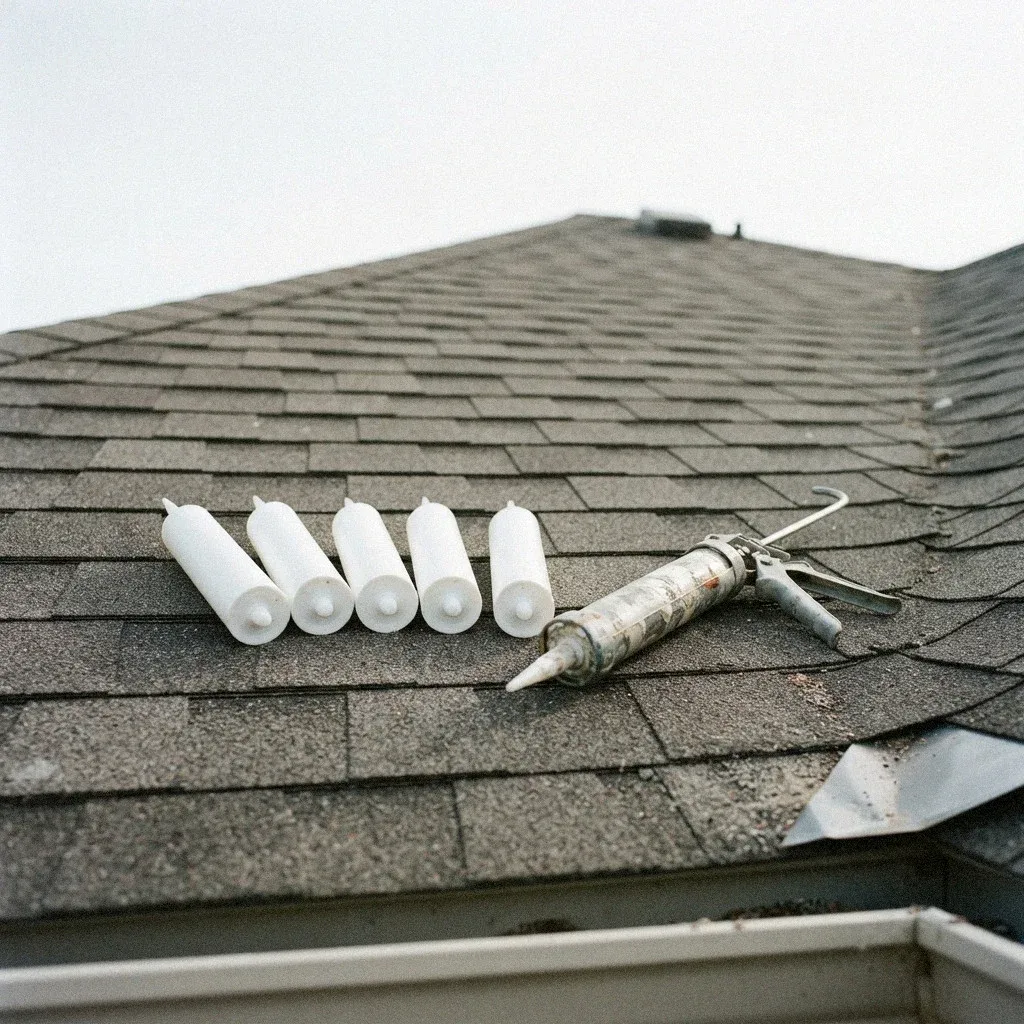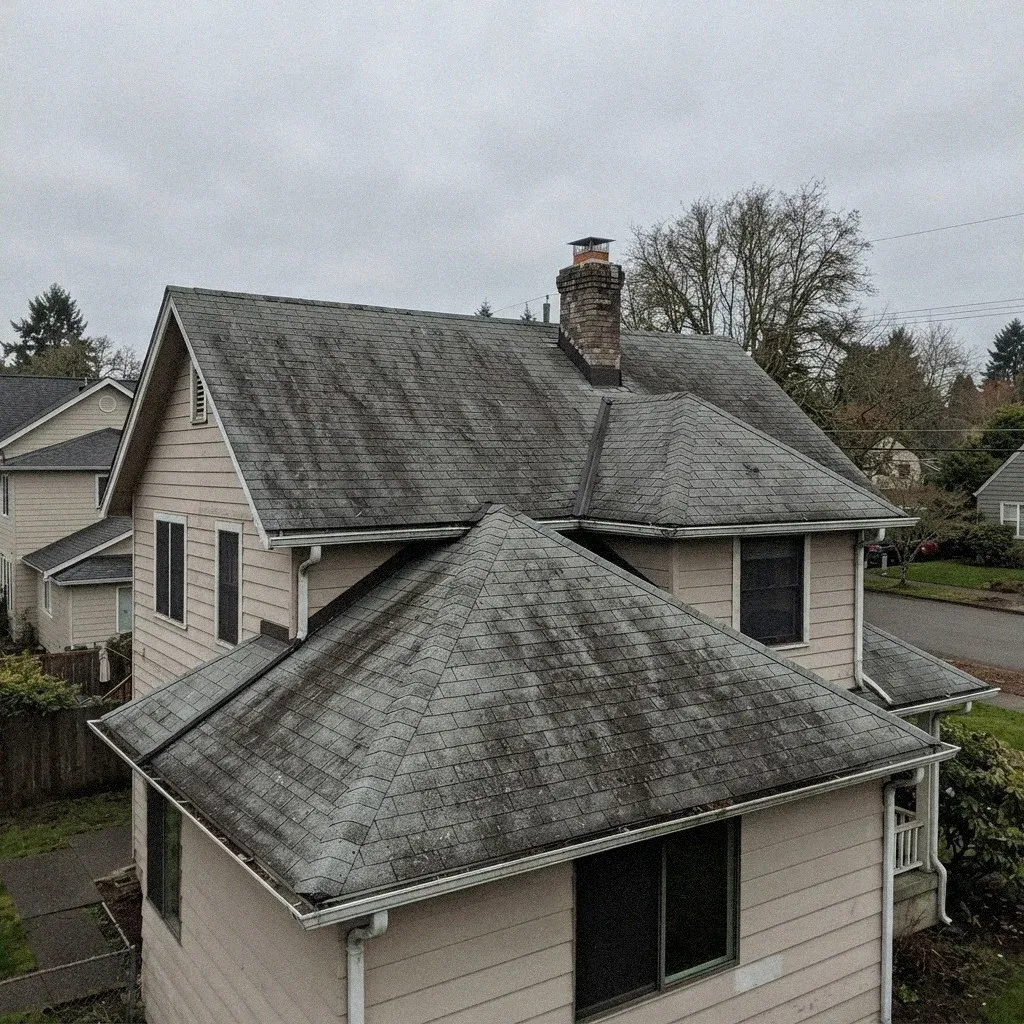
Drive through Dundee or Benson on a clear afternoon and check a roof from a couple of angles. One plane often looks noticeably older than the others, even on a house that got a full reroof at the same time. It is not bad luck or a bad batch of shingles. It is usually the north-facing slope, and the pattern shows up across Omaha regardless of the neighborhood or the age of the house.
What Roof Orientation Changes
A roof over an Omaha house is not one continuous surface. It is a set of separate planes meeting at ridges and valleys, each with its own roof orientation. The plane facing south or west catches direct sun for most of the day. The north slope rarely gets that same solar exposure, especially on homes in Dundee or Benson with mature trees close to the house. That difference in exposure is where uneven aging starts, well before any shingle shows visible damage.
The Shade Line Problem
Trees are not the only source of shade on a north slope. A neighboring roofline, a chimney, or even a second-story addition can block low winter sun for hours at a time. In older Omaha neighborhoods like Bemis Park or Florence, where lots sit closer together and tree canopy has had a century to grow in, that shade line can fall across the same section of roof nearly all day, keeping it noticeably cooler than the rest of the field.
Why Drying Time Matters
Every Omaha roof gets wet, whether from a spring rain or snow melting off during a freeze-thaw stretch. What separates one slope from another is drying time. A south-facing plane in Millard or Elkhorn sheds water and dries within an hour or two of sun. A shaded north slope holds surface moisture far longer, sometimes overnight, because there is no direct sun to pull the water off once the rain or snowmelt has stopped.
Moisture and the Shingle Mat
A composition shingle depends on a mat layer, usually fiberglass, coated in asphalt to hold its shape and keep water out. That mat is built to handle normal wetting and drying. Problems start when drying does not happen on schedule. On a shaded north slope, repeated dew retention overnight and slow-drying rain keep the mat damp longer than it was designed for, and that extended dampness is what wears the shingle down from the inside rather than the surface.
Differential Wear Explained
A north-facing slope in Omaha rarely gets direct sun for long stretches, especially where a tree canopy in Dundee or Benson blocks low winter light. Less solar exposure means slower drying after rain or snowmelt, so surface moisture sits against the shingle mat longer. The south and west planes bake off water within hours; the north plane can stay damp into the next day, which is why one roof ages unevenly even though every plane was installed at the same time.
Tree Canopy's Double Effect
Tree canopy compounds the problem in older, more wooded parts of Omaha, including stretches near Elmwood Park and Hanscom Park. Overhanging branches block sun the slope would otherwise get and drop leaves and debris that trap moisture against the shingles. That combination of shade and organic buildup keeps a north slope wetter for longer than a bare, sunlit roof plane nearby.
Slope Pitch Adds Up Too
Compass direction is only half the picture. A shallow-pitched section sheds water slower than a steep one, no matter which way it faces. Combine a low-pitch north plane with an overhang that keeps it shaded and you get the slowest-drying spot on the house. In older Omaha neighborhoods like Florence or Bemis Park, roof lines with mixed pitches make this pairing common, and it shows up as one section wearing out well before the rest.
What This Means for Repair
One rough-looking slope doesn't mean the whole roof in Omaha needs to come off. A plane-by-plane assessment often finds that the south and west sides are holding up fine while only the shaded north plane shows real deterioration. A partial reroof limited to that one section is a reasonable response in many cases, as long as the rest of the roof still has useful life left in it.
Why a Plane-by-Plane Look Helps
Judging a roof from the driveway tends to miss what is actually going on, because wear is not spread evenly across it. A north slope over a home near Aksarben Village or Gifford Park can look fine from the sidewalk while granule loss and mat softening are well underway underneath, hidden by shade and a low viewing angle. A plane-by-plane assessment, done up close on each slope separately, is the only way to see the gap before it turns into a leak.
Early Signs to Watch For
A north slope in Omaha that's starting to fail usually gives some warning before a leak shows up. Look for a color difference compared to the rest of the roof, granule loss that leaves bare patches, or shingle edges that lift instead of lying flat. An overhang that traps extra shade, or a nearby tree canopy, can make these signs appear sooner on that one plane than anywhere else on the house.
Getting a Direct Opinion
A north slope on a home in Dundee or Benson that looks noticeably darker or more worn than the rest of the roof is telling you something plane-by-plane assessment can confirm. Guessing from the driveway isn't reliable when shade lines and overhang shadows shift the picture through the day. It's worth asking the licensed pros we connect you with to walk that slope directly, checking the shingle mat up close before deciding if a partial reroof makes sense or the whole roof needs attention.
Dealing with this in your home?
Omaha roofs fail on their own timeline. Dundee and Benson still have prewar homes with basements below, where a clogged gutter means water finding its way down, not just across. Blocks near Elkhorn or Millard face the same April hail but newer decking. Same city, same spring, different repair.