A nail pop is a roofing nail whose shank has crept upward instead of staying flush against the deck, lifting the shingle tab it was meant to hold flat. It happens on roofs all over Omaha, from older Dundee bungalows to newer Elkhorn builds, and it's rarely visible from the yard until the shingle above it starts to tent or the sealant cracks.
How To Spot One
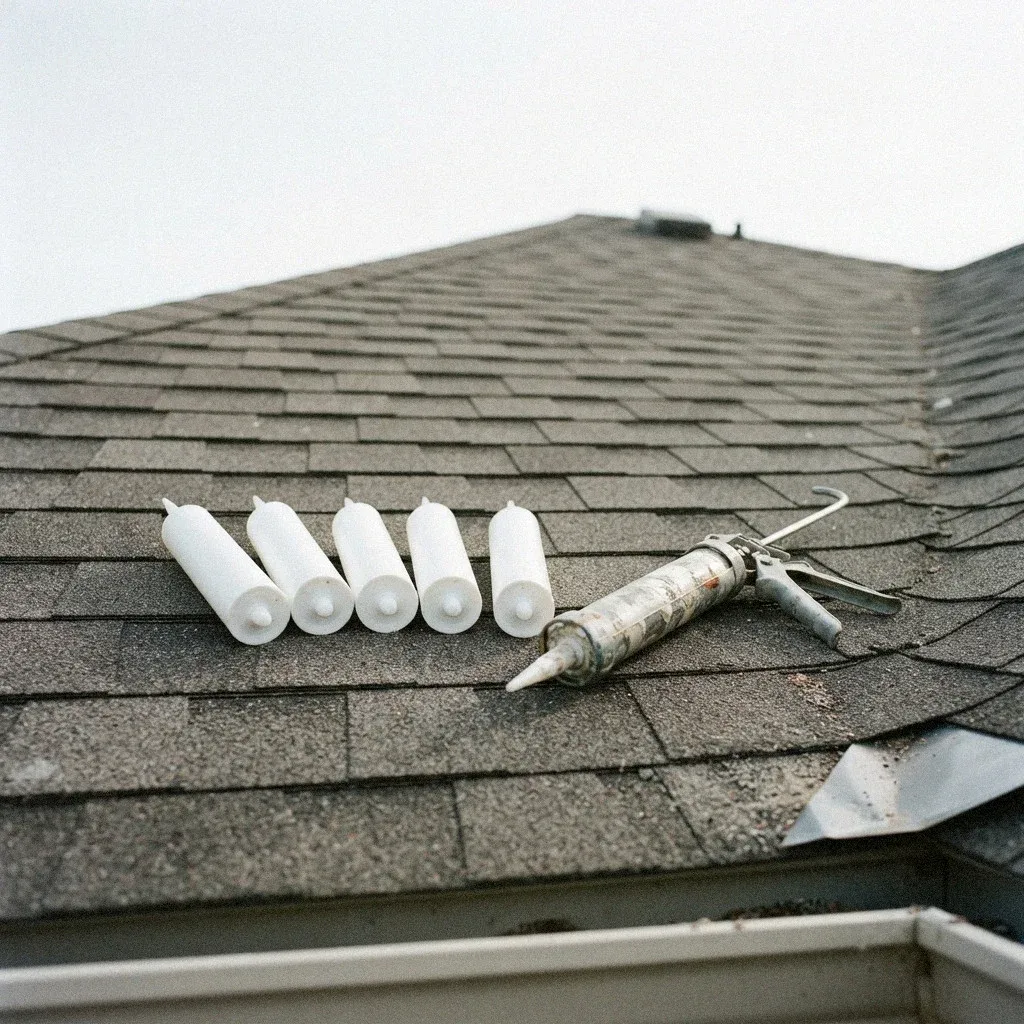
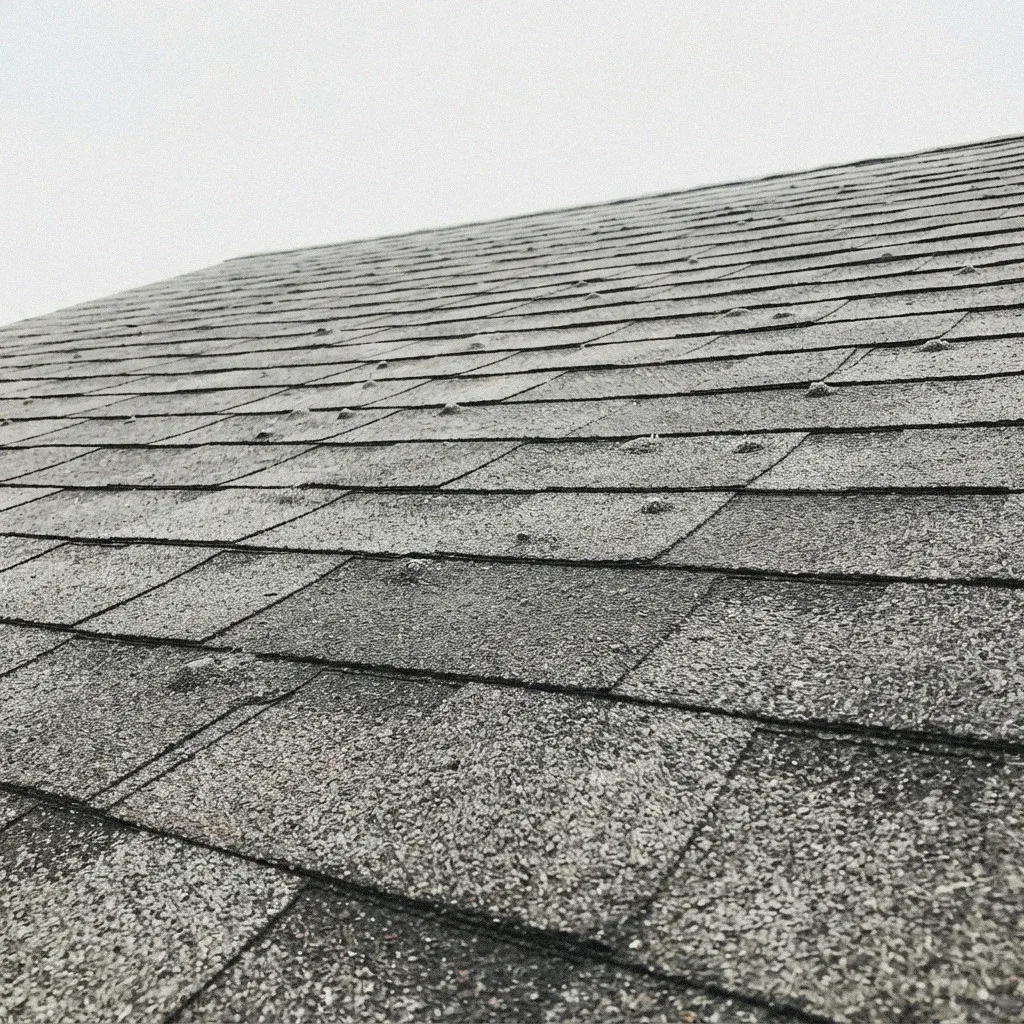
From the ground, a nail pop looks like a small dot or blister sitting on a shingle course, sometimes with a dab of hardened sealant marking where a previous owner or crew tried to fix it. It's easier to catch after sun has warmed the roof, when the raised shingle edge throws a short shadow other flat sections don't have.
Why Fasteners Rise
Omaha sees wide temperature swings across a year, and the sheathing and shingles expand and contract at different rates as they heat and cool. A nail driven tight in October can sit slightly looser by the following summer, and repeated cycles of that movement are enough to walk a fastener's head up past the shingle surface over several seasons.
Deck Movement Beneath It
The sheathing under the shingles isn't perfectly rigid. It flexes a little with temperature and moisture, and a spot where the wood has softened or separated slightly from the rafter gives a nail less material to grip. Once that grip weakens, foot traffic during an inspection or ordinary wind uplift can work the fastener the rest of the way loose.
Missing The Nailing Line
Shingle packaging marks a nailing line, a narrow strip where fasteners are supposed to land so they catch the course underneath and pin the tab down evenly. A nail set above that line, often called a high nail, only grabs a thin edge of material instead of a full course, so it has far less holding power and pops loose sooner than one placed correctly.
Why It's Not Cosmetic
A shingle course above a nail is there partly to shield the fastener from direct rain. When the head rises above that shingle, it sits exposed right where water runs down the slope, and the small gap around the shank becomes an entry point instead of a covered one. It's a tiny opening, but it's an opening.
Where The Water Goes
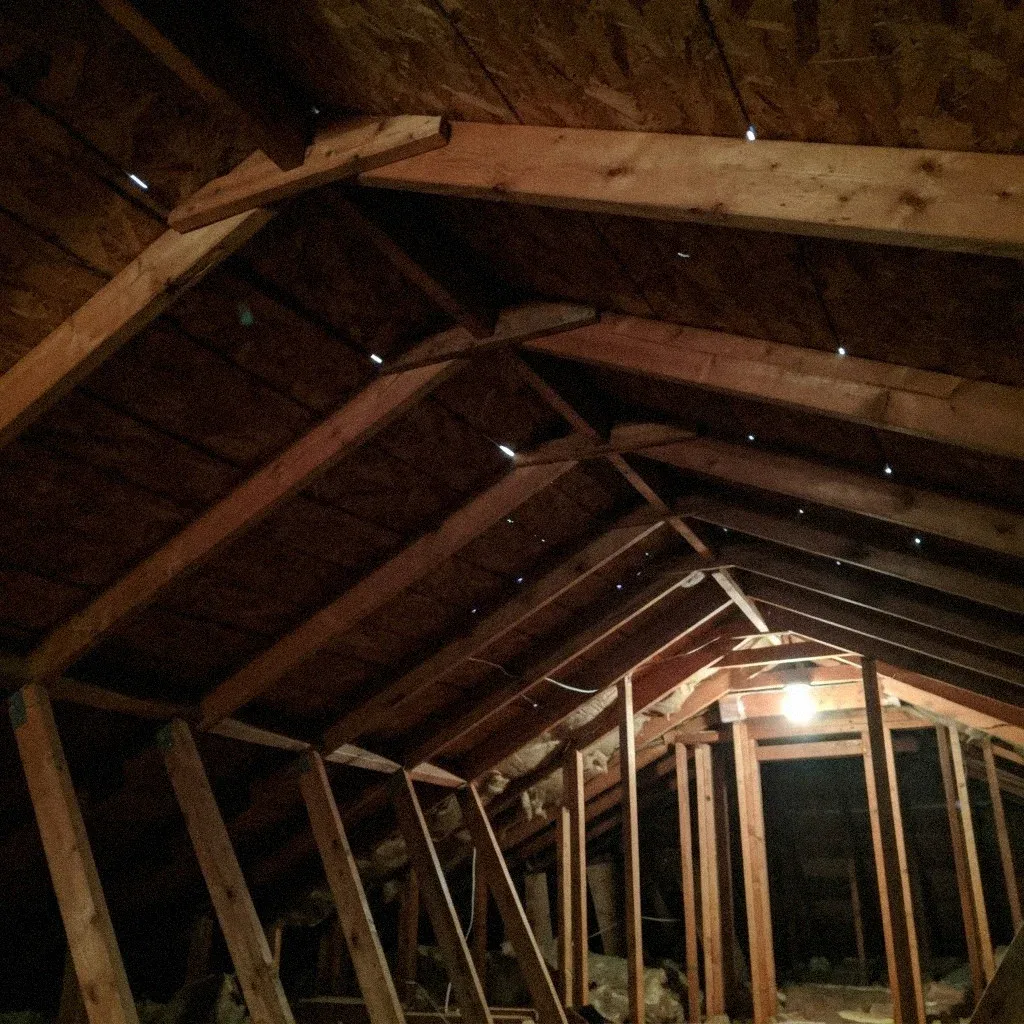
A leak from an exposed nail head does not announce itself with a stain on the ceiling right away. Water often runs along the shank, spreads across the sheathing, and drips somewhere well away from the actual hole. In an Omaha attic that can mean a dark spot several feet off, or moisture wicking into insulation before anyone notices. That lag is what makes a pinhole leak from a single popped fastener so easy to miss until the damage underneath has already spread past the shingle course where it started.
Shade And Roof Exposure
A roof with heavy tree cover, like stretches near Elmwood Park or Memorial Park, dries out slower after rain than one with open sun exposure, and that extra time wet gives the deck below more chances to swell and shift. Slopes facing away from the afternoon sun tend to carry more nail pops over the years for the same reason.
Isolated Versus Widespread
One raised bump sitting by itself on an otherwise sound roof isn't much to worry about. It's a different story when several show up along the same course, or in a pattern that repeats slope after slope, since that usually points to a nailing pattern problem or a deck issue rather than one fastener that simply missed its mark.
What A Bump Doesn't Mean
Finding a nail pop doesn't mean the sheathing has failed or that the roof needs full attention. Most trace back to a single high nail or a fastener that never fully seated during installation, not to rot or structural damage underneath. The bump is a sign the fastener needs correcting, not proof the deck itself is compromised.
Reading The Roof Yourself
If you want to check without climbing up, walk the property line and look down each shingle course from one end to the other rather than scanning the whole slope at once. A pattern of raised spots lined up together stands out more clearly this way than it does from a single glance at the roof as a whole.
Why Early Matters
A nail pop caught while the sealant is still intact is a small, contained fix. Left through another freeze-thaw cycle, the sealant cracks, the shank works further loose, and what started as a pinhole opening has more time to reach the sheathing or find its way toward the attic below.
Dealing with this in your home?
Omaha roofs fail on their own timeline. Dundee and Benson still have prewar homes with basements below, where a clogged gutter means water finding its way down, not just across. Blocks near Elkhorn or Millard face the same April hail but newer decking. Same city, same spring, different repair.