Curl on a roof isn't a single defect with one fix. It's a shape, and the shape is a clue. A homeowner in Dundee or out toward Elkhorn looking up at a roofline after a hailstorm might see the same rough word, curling, applied to three different things that trace back to three different causes underneath the shingle.
Cupping Is Not Clawing
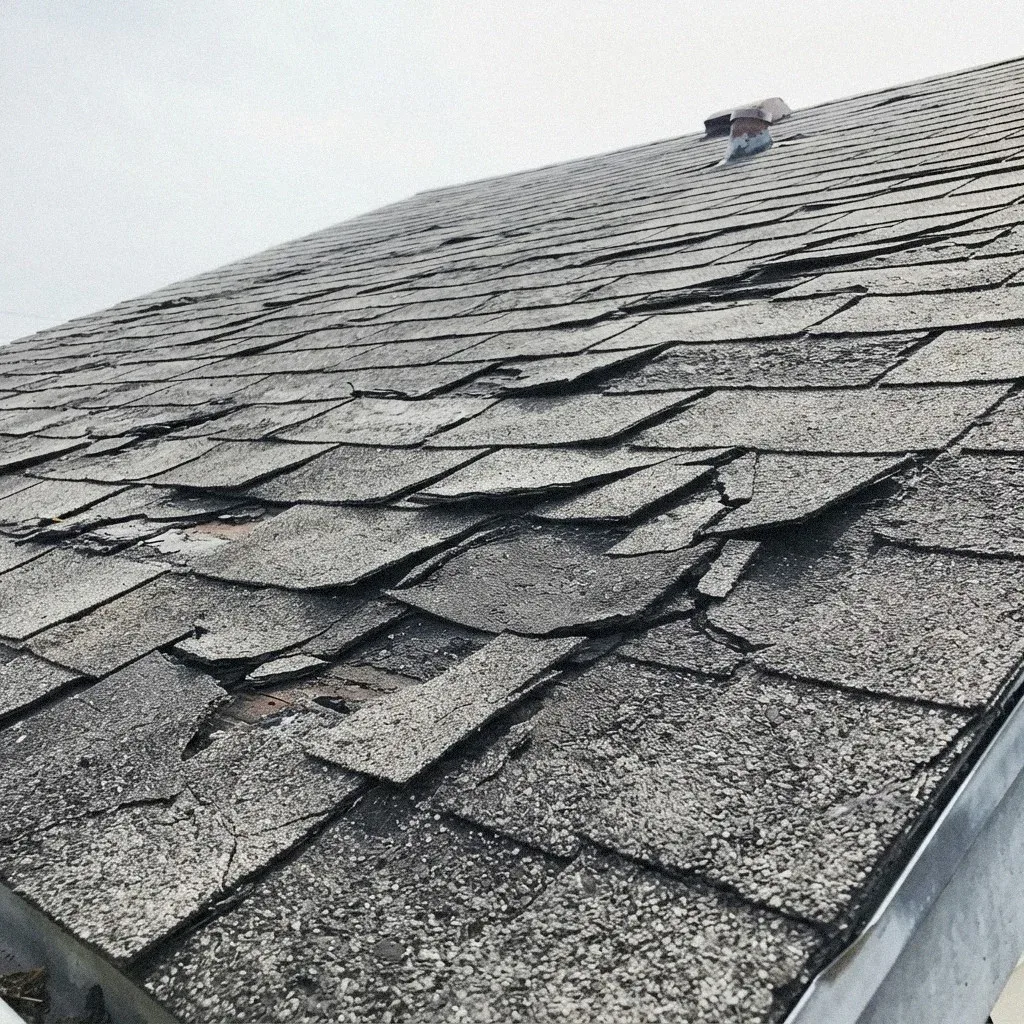
Two shapes get lumped under the same word. In one, the outer corners lift while the center of the shingle stays down, forming a shallow dish you can pick out walking along a driveway in Benson or Millard. In the other, the surface granules pull apart in small cracks and the tab curls and twists rather than bowing evenly, a sign the shingle mat itself has lost flexibility.
What Cupping Points To
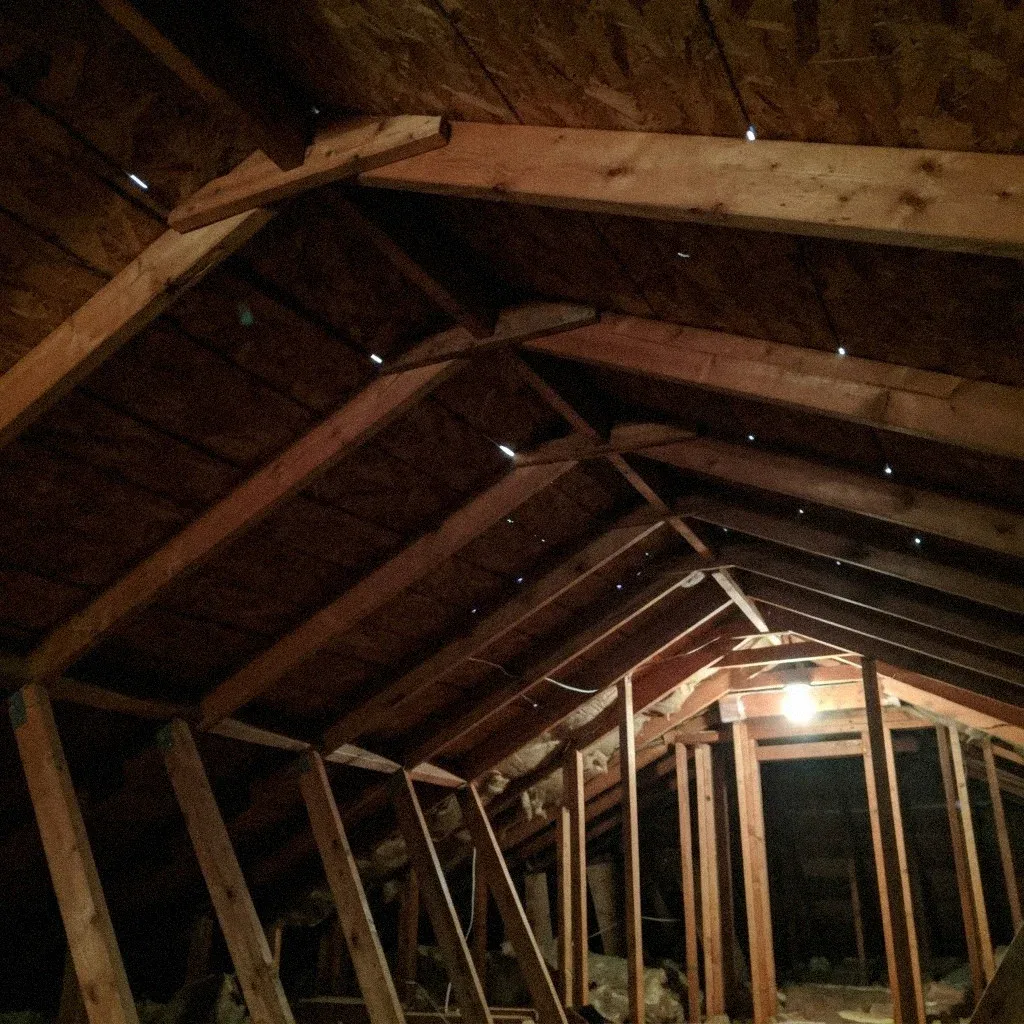
A cupped shingle is usually reacting to something rising from below rather than something falling from above. Attic heat that has nowhere to escape, combined with moisture from below trapped against the underside of the roof deck, softens the asphalt coating over repeated hot Omaha summers. Homes in North Omaha or South Omaha with older attic insulation often show this pattern first near the ridge, where trapped heat concentrates.
Clawing And Mat Fatigue
Clawing generally shows up on an older roof than cupping does. It's a sign the shingle mat has absorbed years of expansion and contraction, what roofers call thermal cycling, through Omaha's swing from below-freezing January mornings to humid July afternoons. That repeated stress leaves the asphalt brittle, and a brittle mat cracks and twists at the surface instead of just curling upward as one smooth piece.
Edge Lift Stays Local
Edge lift is a smaller, more specific problem than cupping. It shows up right at the border of a shingle, usually because the sealant strip along that edge never bonded properly or has separated after freeze-thaw movement. A roof in Aksarben Village or Gifford Park with wind-caught shingles at the eaves is more likely dealing with a sealant failure than a whole-roof moisture problem.
Field Lift Means Something Else
Field lift means something else. Cupping and clawing show up along seams and edges, where sealant strips hold shingles down. Field lift is different because it appears mid-slope, away from any seam, on shingles that were never dependent on sealant to stay flat. In Omaha, this pattern usually points to heat building up under the shingle mat itself, often from an attic that isn't moving air the way it should on a west-facing slope over Dundee or Benson rooflines through summer afternoons.
How A Layover Changes Things
A layover changes the picture. When a second layer of shingles goes down over an older one instead of a full tear-off, the lower mat sits closer to the deck and farther from open air on both sides. That extra sandwich holds heat longer after a hot Omaha afternoon and slows how fast moisture escapes if any got in below. Curling on a layover roof, common on older homes near Midtown Omaha or Florence, often shows up sooner than the shingle's rated exposure would suggest.
Curl Before Its Time
Curl appearing on a roof that should still have years of exposure left rarely comes down to age alone. It's more likely tied to poor attic airflow, a plumbing vent or bath fan pushing warm household moisture into the attic space, or shingles that were never fully sealed down after installation. A roof over Benson or Florence acting old before its time is worth a closer look at what's happening underneath, not just on top.
Architectural Versus Three-Tab
A three-tab shingle is a single flat layer of asphalt, and that thinness lets attic heat push through and affect it sooner. An architectural shingle is laminated with a second layer bonded on, which adds stiffness that resists curling for longer under the same conditions. On older streets in Field Club or Hanscom Park, where three-tab roofs are common, cupping can show up well before it would on a heavier architectural product.
Shade And Standing Moisture
Heavy tree cover keeps a roof section damp longer after a rain, which matters for curl. Shaded lots near Elmwood Park or along the older tree-lined blocks of Dundee dry out slower than a roof in full sun, and shingles that stay wet longer are more prone to cupping over time. Moss holding water against the surface adds to that effect, particularly on north-facing slopes that get less direct sun.
When Curl Is Just One Spot
Curl confined to a single slope, or clustered near a valley, chimney, or plumbing vent, usually traces back to a localized source rather than the whole roof failing at once. That could be a small leak feeding moisture into just that section, a clogged valley holding water longer than it should, or flashing that's separated at one seam. A whole-roof pattern and a one-spot pattern point toward very different next steps.
Matching Shape To Cause
Matching the shape to the cause still takes a direct look. A three-tab shingle curling near a ridge in Elkhorn, an architectural shingle clawing by a chimney in Aksarben Village, or brittleness spreading across a south slope in South Omaha can each point to the same root problem or three different ones. Reading photos from the ground is guesswork. The licensed pros we connect you with can climb up, check the mat, and say which explanation actually fits your roof.
Dealing with this in your home?
Omaha roofs fail on their own timeline. Dundee and Benson still have prewar homes with basements below, where a clogged gutter means water finding its way down, not just across. Blocks near Elkhorn or Millard face the same April hail but newer decking. Same city, same spring, different repair.