Most Omaha homes do fine on a yearly check, spring or fall, before hail season ramps up or before winter cold sets in. That's the baseline inspection most roofs can work from. It isn't a hard rule for every house on every street from Benson to Millard, but it's the starting point worth adjusting from, not ignoring.
Roof Age Moves the Number
A composition shingle roof in Omaha carries a different clock at year five than at year eighteen. Early on, once-a-year checks after winter cover most risk. Past the midpoint of its expected service life, granule loss and flashing wear accelerate, and the inspection interval should shorten to twice yearly, spring and fall. Metal and tile roofs age slower and can hold a longer interval. Age is the variable; the calendar date on the last inspection means less than where the roof sits on its own aging curve.
Covering Material Sets Its Own Pace
What's on the roof matters as much as how old it is. Older homes around Field Club or Hanscom Park sometimes still carry wood shake, which weathers differently than composition shingle and can hide damage under its texture. Metal roofing holds up longer between checks in most cases, but fastener and seam wear still deserves a look on its own schedule.
Hail and Wind Force a Recheck
An event-triggered inspection matters more here than the calendar does. Spring hail is common enough across the Omaha area that a roof should get a post-storm check after any hailstorm strong enough to dent gutters, siding, or vehicles, not just after visible shingle damage. High wind that snaps branches near the roofline calls for the same response.
Selling the House Adds Its Own Look
A pre-sale inspection runs on a different clock than the yearly one. Buyers and lenders in the Omaha market often want documentation on roof condition before closing, whether the home sits near Aksarben Village or out toward Elkhorn. Sellers who get ahead of that request, rather than reacting to it, tend to avoid last-minute negotiating over roof repairs.
Warranties Set Their Own Terms
A warranty maintenance requirement can override whatever interval a homeowner would otherwise pick. Some manufacturer and installer warranties only stay valid if inspections happen on the schedule written into the paperwork, not on a looser yearly habit. Skipping that requirement doesn't just risk missing damage, it can void coverage the homeowner already paid for through the installation cost.
Other Triggers Worth Watching For
Beyond weather and warranties, a few other things justify moving up the next look. A tree limb coming down on the roof, new equipment like a satellite dish going in, or a neighbor's roof getting replaced after the same storm that hit yours are all reasons to check sooner. None of these wait for a date on a calendar to matter.
What Ground Level Reveals
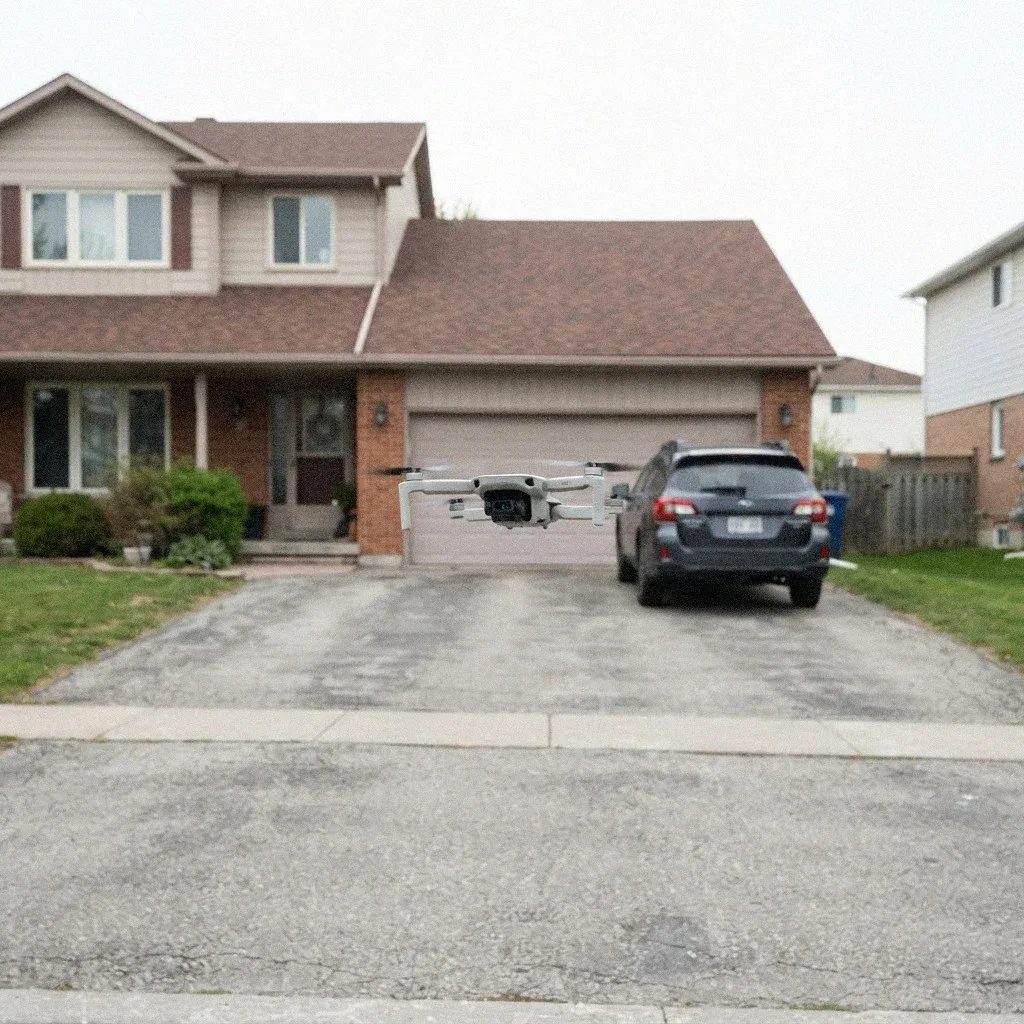
Between formal checks, a ground-level survey from the yard or driveway with a pair of binoculars can catch a lot. Granule loss showing up as dark streaking, a shingle edge lifting at a corner, or a sagging ridge line are all visible without a ladder. This kind of look doesn't replace a closer inspection, but it flags when one shouldn't wait.
The Attic Tells a Different Story
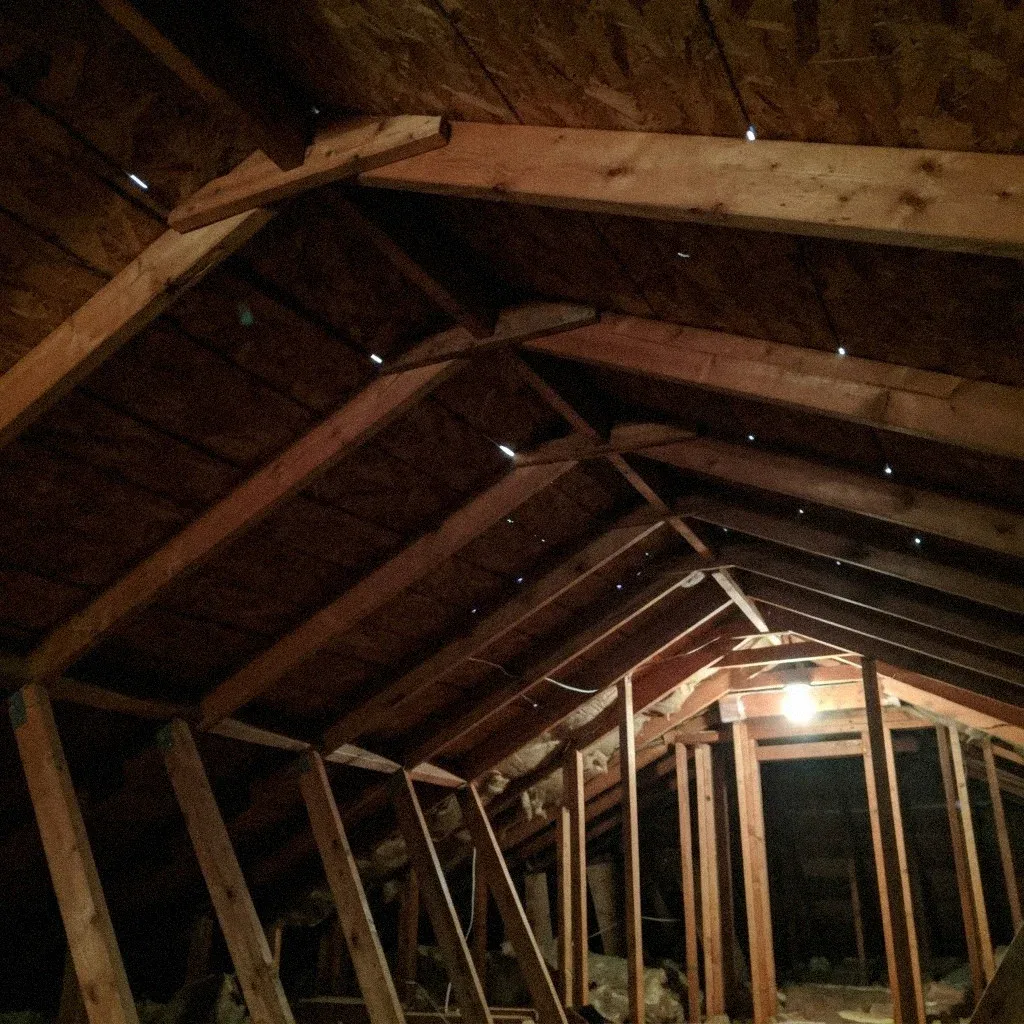
An attic look often catches what a ground-level survey cannot. Dark streaking on the underside of the deck, nail points showing rust, or insulation matted down in one spot all point to a leak before it reaches the ceiling below. This costs nothing but a flashlight and ten minutes, and it belongs on the same schedule as the outdoor check. Pair it with a photo record over time, and small changes in staining or moisture become easy to spot rather than easy to miss.
Keeping Track Over Time
A simple photo record, even a folder of dated phone pictures, turns each new inspection into a comparison instead of a guess. Someone looking at the roof next year can tell whether that dark patch near the chimney is new or the same one noted before. It's a small habit that makes every later look, formal or informal, more useful.
Not Everything Needs a Rush
Not every finding calls for immediate work. A minor repair threshold helps separate something small, like a single loose shingle, from a problem that threatens the deck underneath. Items under that threshold can go on a punch list for the next planned visit instead of forcing an unscheduled trip, as long as nothing points to active water getting in.
Fitting the Interval to the House
No single number works for every roof across Omaha. A newer build near Gretna or Papillion might hold steady on a yearly check, while an older home in Dundee with decades on its shingles needs a tighter one. Starting with a baseline and adjusting for age, material, and whatever storms roll through gets closer to the right fit than guessing.
Dealing with this in your home?
Omaha roofs fail on their own timeline. Dundee and Benson still have prewar homes with basements below, where a clogged gutter means water finding its way down, not just across. Blocks near Elkhorn or Millard face the same April hail but newer decking. Same city, same spring, different repair.