Composite roofing copies the look of slate or cedar shake in a molded polymer, usually with mineral filler and ultraviolet stabilizers pressed into it. From the street it reads as the real material. In the hand it weighs a fraction as much, and that difference is most of the reason it exists: real slate needs a structure built for it, and most Omaha houses were not.
What the Material Actually Is
The base is a polymer, most often a polypropylene or a rubber and resin blend, with mineral filler for stiffness and stabilizers to slow the damage sunlight does. Color is mixed through the material rather than sitting on the surface as granules, which is why it fades slowly and evenly. Each tile is molded from a real slate or shake, so a run carries several faces rather than one repeated pattern.
Why Weight Is the Deciding Factor
Natural slate runs somewhere between eight hundred and fifteen hundred pounds per roofing square, and a roof framed for asphalt cannot take that without structural work. Composite lands nearer two hundred and fifty, close enough to asphalt that the existing framing usually carries it. That single fact is what puts a slate look within reach on an ordinary Omaha house without an engineer and a structural bill.
How It Handles Omaha Hail
This is the reason most owners here look at it. Composite products are commonly tested to the highest impact class, meaning a steel ball dropped twice on the same spot leaves no crack in the mat. That is a laboratory test rather than a promise, and a large enough stone will still break a tile. What it buys is a roof that survives the ordinary hailstorm which would have bruised asphalt.
Wind Ratings and What They Mean
Most composite systems carry a wind rating well above what asphalt manages, often quoted around a hundred and ten miles an hour and higher with an enhanced nailing pattern. The rating belongs to the whole assembly rather than the tile, so it depends on the fastener count, the starter course and the underlayment being what the manufacturer specified. On an exposed lot that specification is worth reading.
Fire Rating on a Shake Look
A cedar shake roof and a composite shake roof look similar from the street and behave completely differently in a fire. Most composite products reach a Class A rating as part of a tested assembly, which is the highest available. That matters less here than it does in a wildfire state, but it still comes up in some insurance conversations and in some homeowner association rules.
What It Costs Against Asphalt
Composite sits well above architectural asphalt and well below real slate. It is a premium product and the case for it is length of service rather than a cheaper roof: manufacturers commonly warrant fifty years, against twenty to thirty for asphalt. On a house somebody intends to keep, the cost per remaining year can work out favorably. On a house being sold in three years, it usually does not.
Installation Is Not the Same Job
Composite is not laid like asphalt. Tiles are individual rather than in strips, the exposure and the fastener placement are set by the manufacturer, and hip and ridge details use their own pieces. A crew that has not fitted the product before will be slower and will make more mistakes at the details. Ask what has been installed before, and ask to see a local roof they did.
The Warranty Is the Product
With a fifty-year product the warranty is a large part of what is being bought, so the terms deserve reading rather than filing. Look at whether it transfers to the next owner, whether it is prorated after a set period, whether labor is included, and whether it has to be registered within a window after installation. An unregistered warranty on a premium roof is the expensive version of no warranty.
Where Repairs Get Awkward
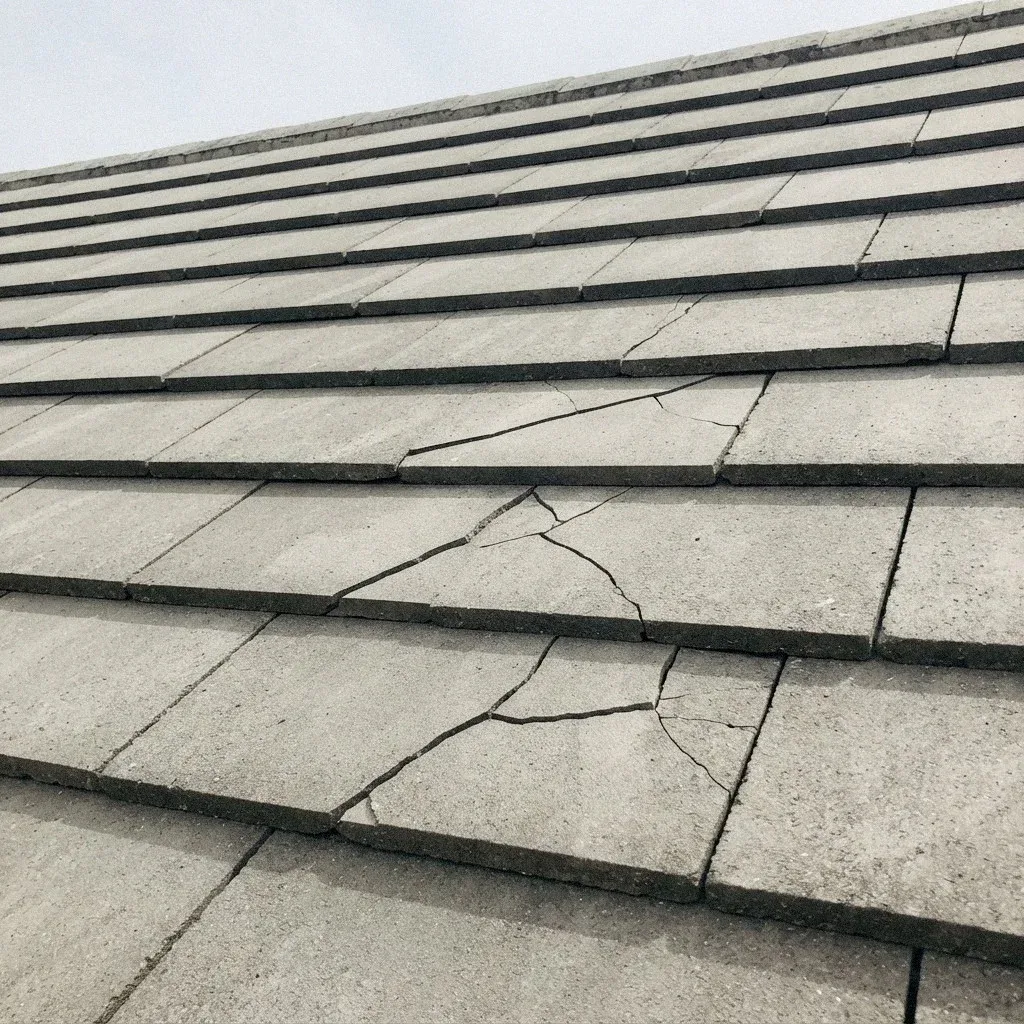
A cracked tile lifts out and replaces individually, which is easier than patching a slope of asphalt. The difficulty is matching. Color runs through the material and weathers slowly, so a new tile on a fifteen-year-old slope shows. Buying a few spare bundles at installation and keeping them dry in the garage is the cheapest insurance available on this kind of roof.
What to Ask Before Ordering
Get the exact product name and the impact class in writing, not just the phrase composite slate. Ask what the assembly needs in order to reach its stated wind rating, whether the underlayment specified is included in the price, and how the hip and ridge is being detailed. Then ask what happens to the warranty if any of that gets changed on site to save money.
Whether It Suits Your Roof
It suits a house being kept, on a lot with real hail exposure, where the owner wants a slate or shake look and the structure will not take the real thing. It suits less well a simple roof on a house due to change hands, where architectural asphalt with an impact rating does much the same job for far less. Both are reasonable answers to the same street.
Dealing with this in your home?
Omaha roofs fail on their own timeline. Dundee and Benson still have prewar homes with basements below, where a clogged gutter means water finding its way down, not just across. Blocks near Elkhorn or Millard face the same April hail but newer decking. Same city, same spring, different repair.