Apartments & Multifamily
Multifamily Roofing
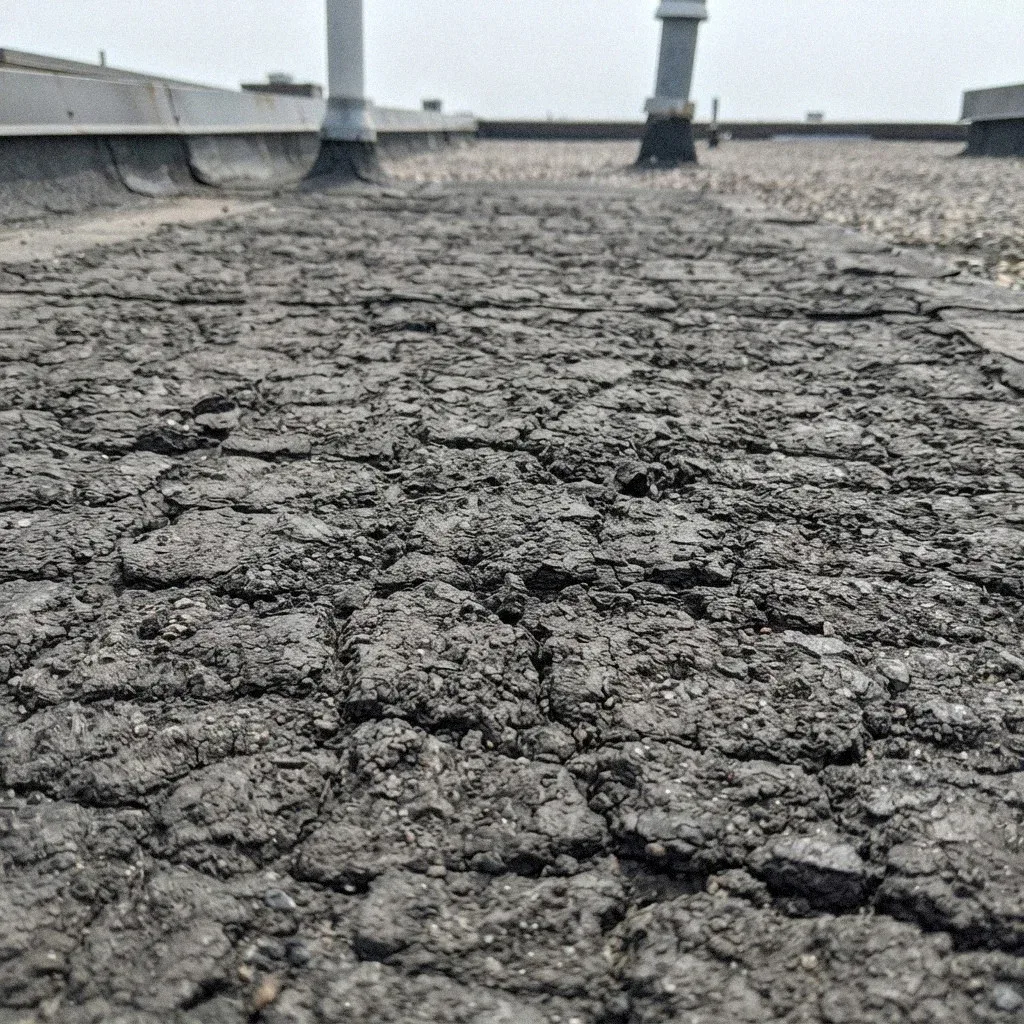
Summer-window campus reroofing, phased by wing, cleared for the closeout punch list before students return.
School and campus reroofing in Omaha runs inside the summer work window between the last school day and the reopening deadline, phased by wing under a multi-year roof plan, and closed out before students return.
An Omaha school roof opens up for real work on one schedule: the day the last bell rings for summer. Omaha Public Schools and Millard Public Schools campuses can't have a crew tearing off shingles or membrane over a media room while classes are in session, so the entire job has to fit inside a single summer work window, whatever that window turns out to hold.
That fixed window changes how a district has to think about a failing roof. A homeowner in Dundee can let a slow leak sit for a season and patch it later. A district can't, because the next chance to open that section back up might be a full year away, and a delayed start doesn't buy more time — it just eats into the same deadline.
Few Omaha campuses get a full reroof in one summer. A gymnasium roof section, a cafeteria wing, and a library and media room interior usually get split across several years, each wing waiting its turn. That reality shapes everything from board approval to procurement schedule, long before anyone sets a ladder against the building.
Deciding which wing goes first isn't a judgment call made at a board meeting — it takes a real look at the roof itself. Facilities staff need to know which sections are already holding water after a spring thaw, which flashing is oldest, and which low-slope areas are closest to failing before the next Nebraska winter arrives.
Custodial coordination runs alongside that mapping. Whoever manages the building day to day has to know which hallways, entrances, and mechanical rooms a wing closure will cut off, especially if the work overlaps with summer school or a camp still using part of the campus near Millard or Elkhorn.
| Wing | Occupied? | Work Allowed |
|---|---|---|
| Single school building vs. multi-wing campus | Single building, one roof | Several wings, phased over years |
| Approval lead time | Weeks ahead of summer break | Board sign-off months before bid |
| Staging footprint | One lot, one building | Moves wing to wing across summers |
| Building occupancy | Empty for one summer window | Finished wings can reopen while others wait |
| Bus loop and playground | Closed off for the whole job | Open except near the active wing |
| Reopening deadline | One closeout before the doors open | A closeout punch list every August |
| Gymnasium roof | Set on its own summer schedule | Weighed against classroom wings for sequence |
| Library and media room roof | One moisture-critical zone to protect | Sequenced around collections building by building |
None of this gets settled in May. Board approval for an Omaha-area school roof project usually happens months before the work starts, often the fall or winter before, because a district has to line up funding and a procurement schedule ahead of a summer that fills up fast.
Procurement on a school roof runs backward from the last day of term rather than forward from the decision. Bidding, board approval, material lead times and permit all have to be finished before the building empties, because the work window does not move. A project approved in April is usually a project that misses the summer.
Material lead time is the item most often underestimated. Insulation, membrane and fasteners for a large roof are ordered rather than stocked, and a district competing for the same summer window as every other district in the region is competing for the same supply. Getting the order placed in winter is what makes a June start realistic.
Site access control on an active or newly-emptied campus is its own planning problem, separate from the roofing itself. Staging has to sit inside a fenced work zone kept clear of any playground equipment and away from the bus loop, since buses still stage on some campuses even during a summer closure.
Fencing is only half of separating the work from children. Summer programs, sports camps and custodial staff all use the building, so the plan needs a route for them that never crosses the material staging or the debris path. Where a bus loop or a playground sits under the roof being worked on, that area comes out of use for the duration rather than being managed around.
Staff are in the building through most of a summer roof project, and they are the group most affected by it. Custodians are stripping and waxing floors, offices are running enrollment, and maintenance is doing its own summer list. Noise, fumes from hot work, and interior access for ceiling repairs all need to be agreed with the people actually there rather than assumed.
The practical arrangement is a single point of contact on each side and a short daily check-in. It sounds like overhead and it prevents most of the disputes: which doors are usable today, where the crew is working, whether a corridor ceiling is coming down, and what has to be moved before tomorrow. On a phased campus job it is the cheapest coordination available.
The reopening deadline on a school roof isn't a target, it's a wall. A district sets it, the bus loop gets routed around it, and the first day of class doesn't move to accommodate a slow finish, no matter what happened with weather or material delivery that summer.
A closeout punch list still open when students walk back in creates problems a delayed home job never would — fencing near a playground, staged material blocking a hallway, or a flashing detail left unfinished over a library and media room interior. Closeout has to be done, not close, before the first bell.
Closeout on an Omaha school roof means the punch list clears before buses line up along the loop and custodial staff reopen hallways. Flashing gets checked at parapets near the gymnasium roof section, drains get tested, and fastener counts get verified against the original scope. Nothing gets called finished until the roof holds up to a hard reopening date, not a soft target, since Omaha Public Schools and Millard Public Schools calendars do not move for a contractor running behind.
A finished basement below grade changes what a roof failure actually costs. Water that a slab home might shrug off can mean soaked drywall and ruined flooring two stories down, which is why drainage above matters as much as the shingles themselves.Dundee, Maple Village and Southwest Omaha 68135. Older homes near the Missouri River bluffs and newer builds farther west age differently, but the pattern holds everywhere in Omaha: freeze-thaw cycling through winter stresses shingles and flashing more than any single storm does. What looks fine in October can show cracked seals by March.
Hail damage doesn't always show up where you'd expect. Bruised shingles can look fine from the ground while the mat underneath is cracked, and that only fails months later during a heavy rain. A written estimate should note what the adjuster missed, not just match the first number offered.A number means little until someone looks at the actual decking. A ranch near Millard with a straightforward gable differs from a steep-pitched older home near Field Club or a roof shaded along Elmwood Park. The licensed pros we connect you with base a figure on pitch, layers, and what the last hailstorm left behind. pricing guide, and the commercial overview covers how a scheduled program works.
Multifamily Roofing
Condo & HOA Roofs
Commercial Roofing
Mostly. An Omaha Public Schools or Millard Public Schools campus opens up fully once students clear out in late spring, and the work window narrows fast once the district sets its reopening date. Roofers plan tear-off, deck repair, and dry-in around that summer stretch, since Omaha's freeze-thaw winters make cold-weather roofing on an occupied campus a poor option.
Often, yes. A campus with a gymnasium roof section and several classroom wings rarely finishes in one Omaha summer, so the work gets split across more than one year. Each wing gets scheduled on its own multi-year roof plan, timed so no single summer runs past the reopening deadline the district has already set for that building.
Omaha Public Schools and Millard Public Schools set roof projects months ahead of the summer work window, usually with winter or early spring board approval. That timeline lets the district finish bidding, verify contractor registration, and lock a procurement schedule before the last bell rings, so crews are cleared to start the day campus empties out.
Yes. A fenced work zone with site access control keeps material staging and torn-off debris away from the playground and bus loop at every Omaha campus, even in summer when custodial staff and program coordinators are still moving through the building daily under normal occupied-building protocol.
Ask the licensed pros we connect you with to map a wing-by-wing summer schedule against your reopening deadline.
Call (833) 566-1459